
13 Nov , 2026 By : Shambhavi Mishra

? Quick Take: Prominent Indian-American lawmakers in the US Congress have openly criticized the Modi administration, introducing a fresh layer of diplomatic friction. For domestic investors and Dalal Street, shifting political optics in Washington could subtly influence foreign institutional flows over the medium term.
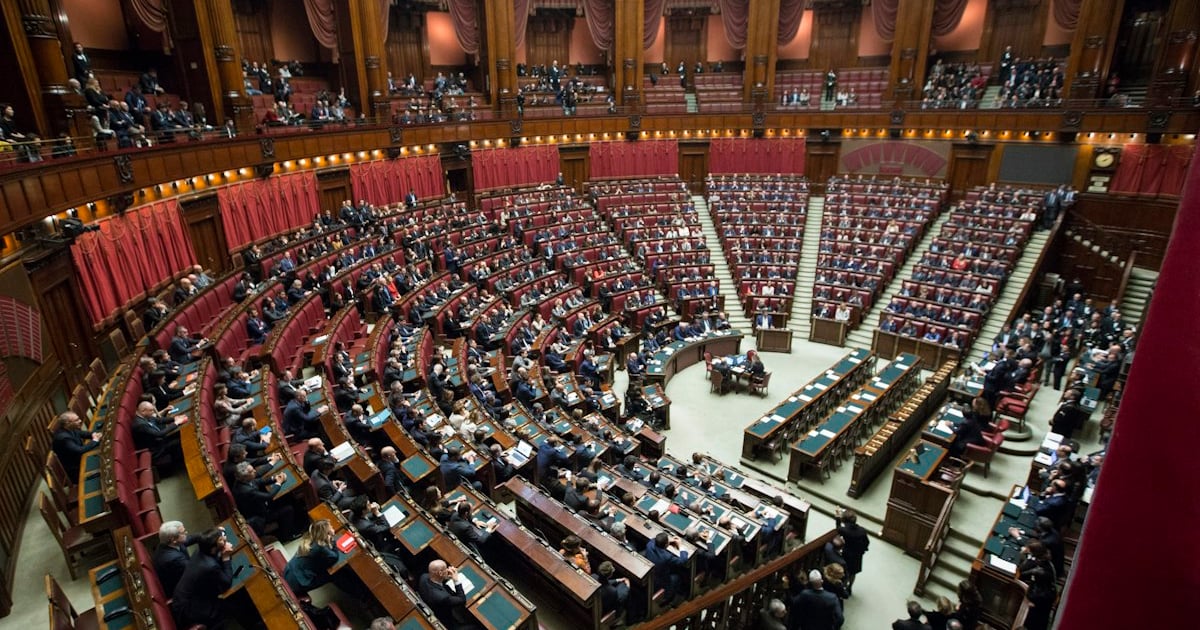
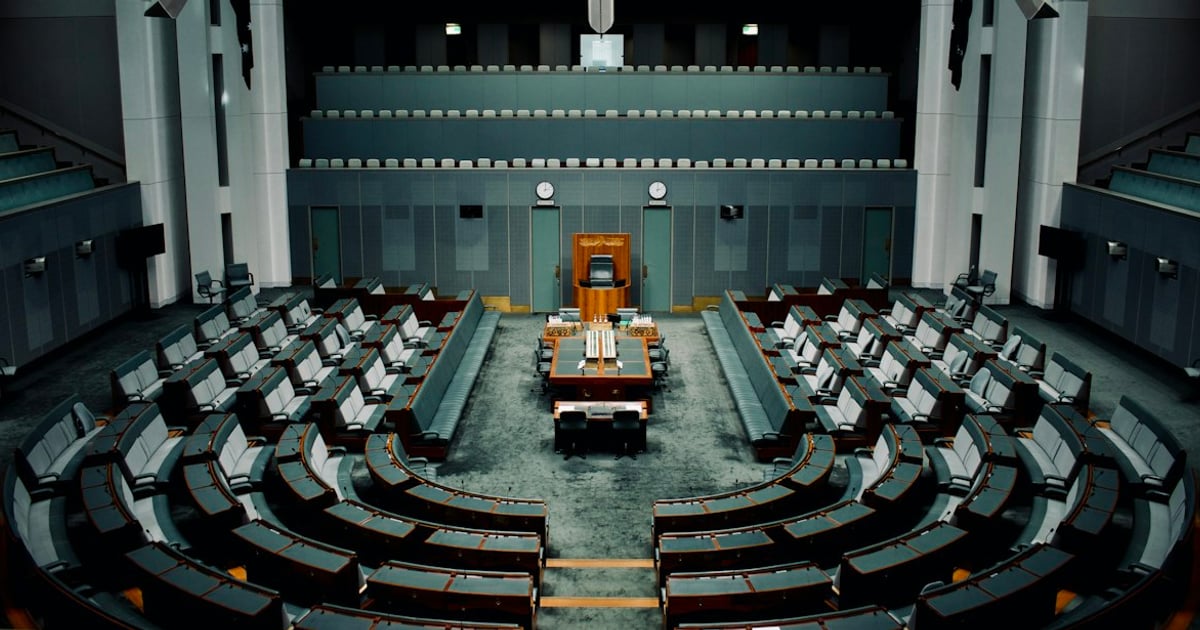
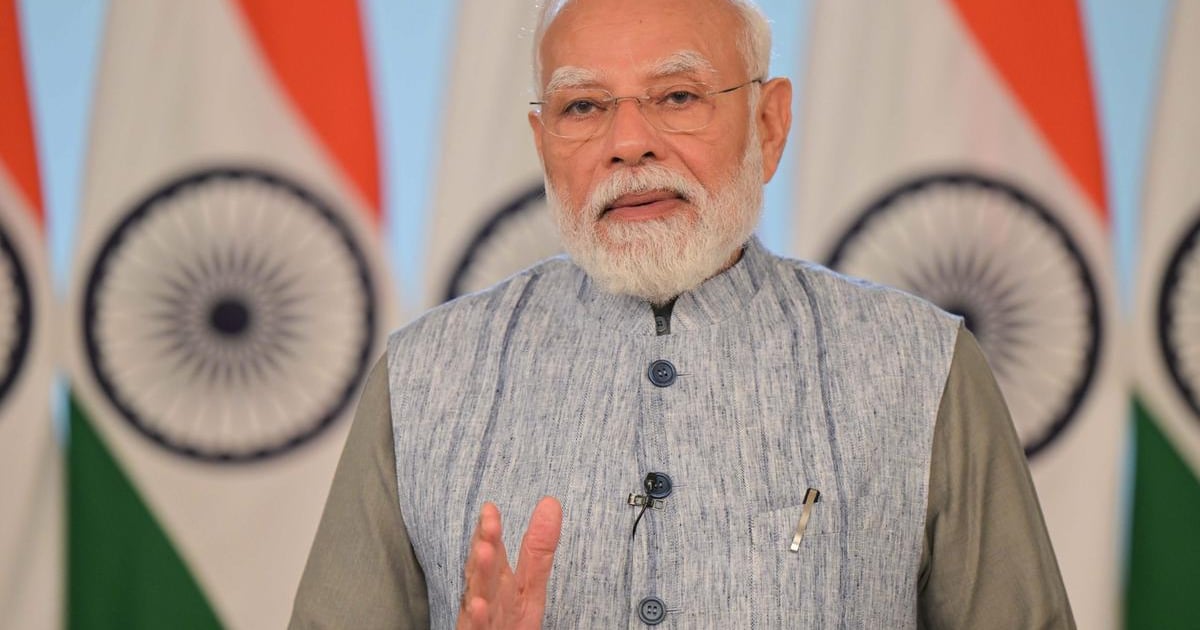
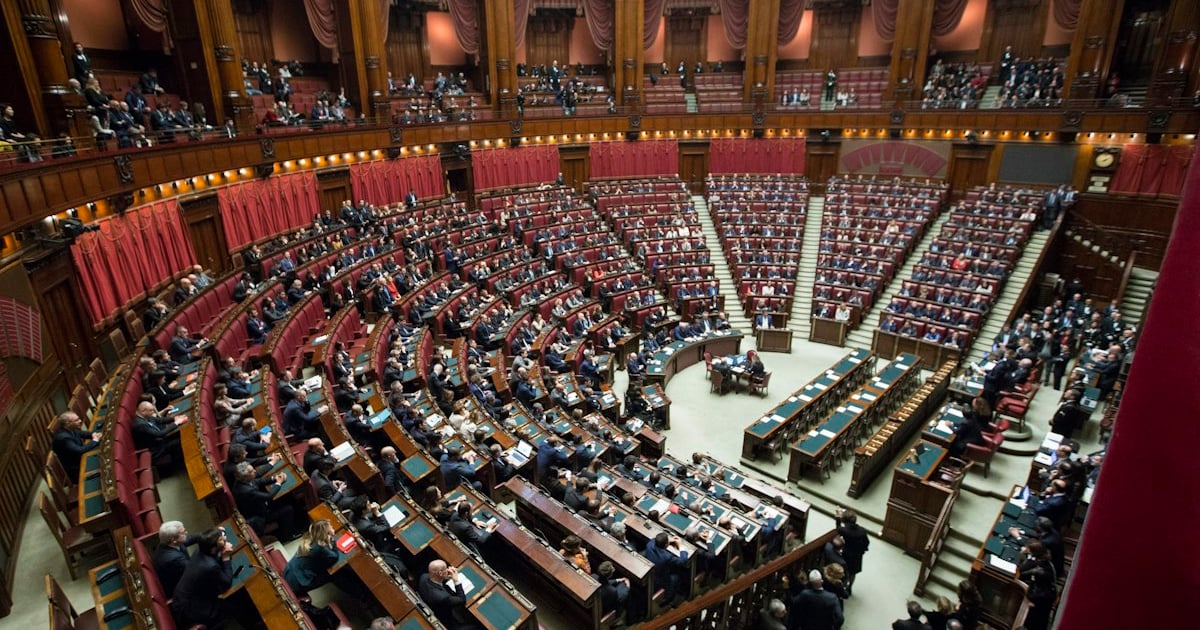
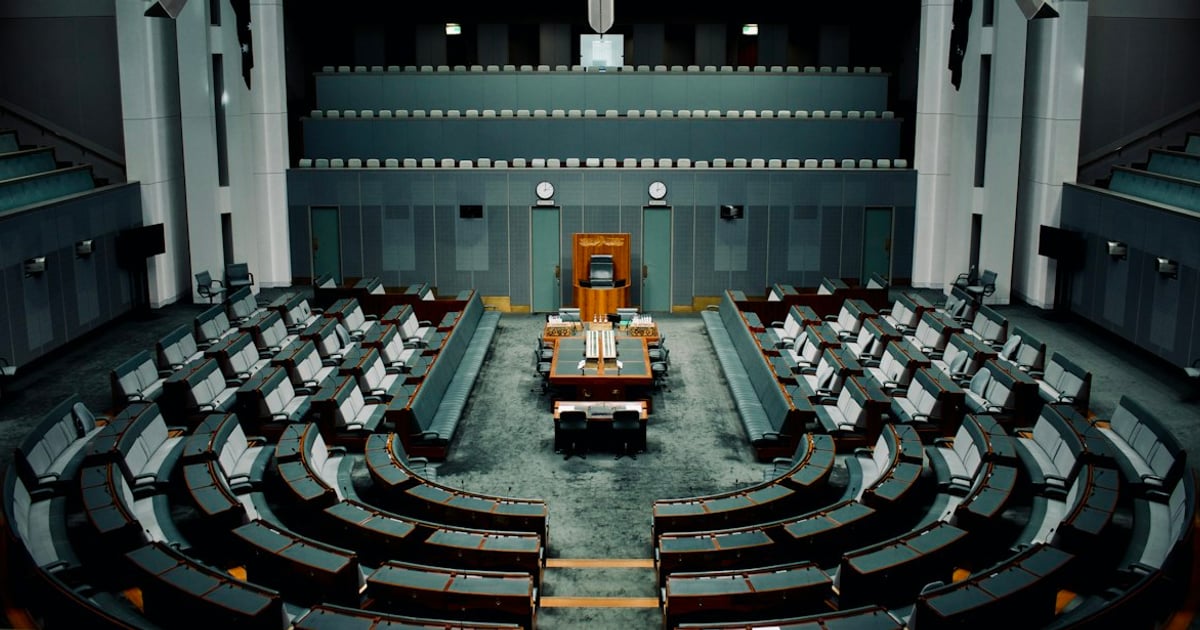
Bilateral warmth between New Delhi and Washington has long enjoyed bipartisan backing on Capitol Hill, making recent pushback from Indian-American legislators a notable departure from script. As key members of the US Congress voice sharp criticisms regarding domestic policies under Prime Minister Narendra Modi, global desks are paying attention. Markets thrive on regulatory predictability and stable geopolitical alignments. Any friction in the world's most critical democratic partnership naturally catches the eye of foreign institutional investors tracking macro risk.
For years, Capitol Hill acted as a reliable cushion for New Delhi, smoothing over policy disagreements and trade snags. Lawmakers of Indian origin often served as natural bridges, highlighting economic milestones and strategic convergences. That dynamic is showing visible strain.
Open critiques from within the congressional ranks signal a willingness to put human rights, democratic norms, and domestic governance squarely on the bilateral agenda. This shift means New Delhi can no longer rely on automatic bipartisan defense in the US legislative branch.
Foreign Portfolio Investors operate on risk-adjusted returns, factoring in geopolitical stability alongside corporate earnings. While the Indian economy remains a secular growth engine, external headwinds from Washington can disrupt sentiment. Portfolio managers monitor legislative noise closely because it can translate into stricter compliance, delayed trade talks, or shifting diplomatic priorities.
India's macro fundamentals remain strong, anchored by robust tax collections and steady capital expenditure. Yet, headline risk remains a constant variable for institutional desks allocating billions across emerging markets.
Source Attribution: Originally reported by gnews-politics (https://news.google.com/rss/articles/CBMiogFBVV95cUxNZC1UM0s1MVo3STVnT2I5NTJSb2ZBOTJvY3N6c1B6NWlhbkpmZzhQM08yenhCLVMtWUh5V0cxOUNJY2dVNGV5NlBHcW5HNEZEZDZZX1FSdm1WYjVCemVZcnlYZkJHRUFIUm5kcjh3SkcxUXozcnpEaURQZTEyUjc5S003SG9heGNsOTB6clUtZ3daVkZOU244RU9nUmdaT0R1UGc?oc=5).
Disclaimer: The financial, market, and corporate developments published above are reported for informational and educational purposes only. GrowMudra does not provide investment advice or stock recommendations. Readers are strongly advised to consult a SEBI-registered financial advisor before making investment decisions.
























0 Comment