
12 Nov , 2026 By : Shambhavi Mishra
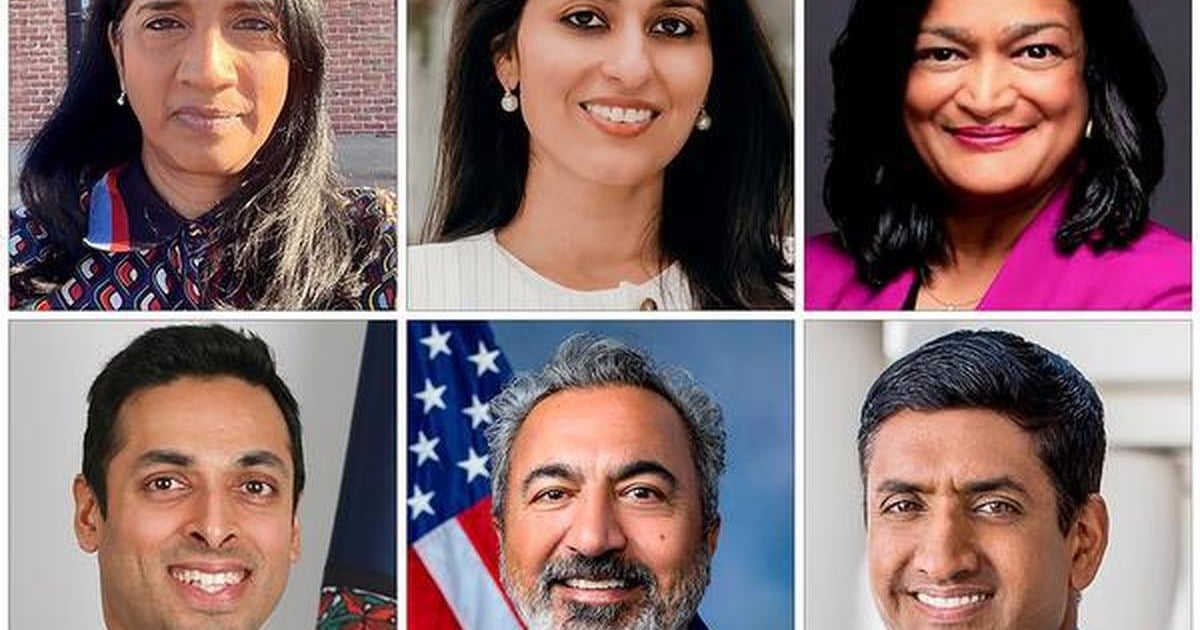
? Quick Take: A surge of young Indian-American lawmakers in U.S. midterms is set to challenge traditional diplomatic playbooks in New Delhi. For Indian markets and strategic watchers, this shift brings domestic policy scrutiny directly to Capitol Hill.
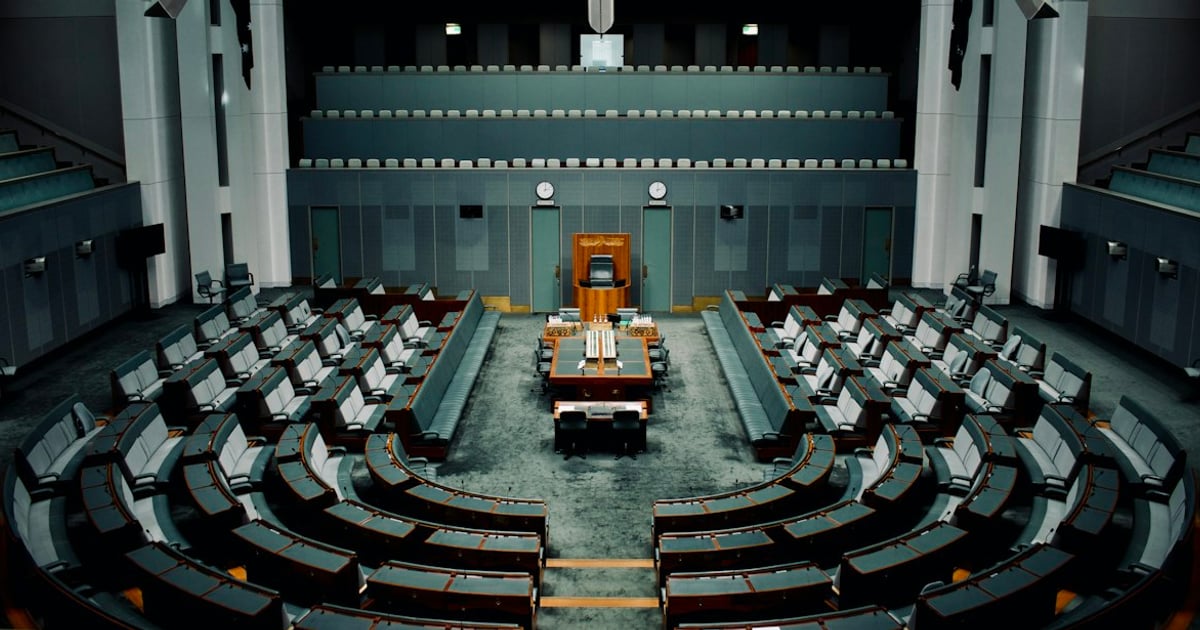
For decades, India's diplomatic machinery in Washington relied on a familiar playbook: bipartisan warmth, diaspora bonhomie, and a shared anxiety over China. But the latest election cycle in the United States has introduced a wild card that South Block is struggling to decode. A younger, ideologically distinct cohort of Indian-American politicians—affectionately dubbed the "Samosa Caucus"—is stepping into power. Unlike their predecessors, these young Desi Democrats bring progressive credentials that do not automatically align with the ruling establishment's domestic policies in New Delhi.
Earlier generations of diaspora politicians walked a careful line, championing bilateral trade and strategic defense ties while largely avoiding domestic Indian controversies. That era is officially over. The new crop of leaders views their identity through a lens of intersectional civil rights, meaning human rights and domestic Indian policy are fair game for debate.
This creates an uncomfortable reality for the Ministry of External Affairs. Lobbying Capitol Hill used to mean collecting friendly signatures on trade letters. Now, MEA officials find themselves addressing sharp committee-level questions about minority rights, press freedoms, and internet shutdowns from lawmakers who trace their roots to the subcontinent.
Investors tracking Indo-U.S. trade, tech corridors, and pharmaceutical supply chains must pay attention to this political evolution. Progressive lawmakers hold considerable sway over congressional committees that oversee immigration, H-1B visa allocations, and cross-border tech investments. If these politicians condition their support on human rights markers, corporate compliance costs for cross-border firms could spike.
The traditional narrative of frictionless diaspora lobbying is fracturing. Financial markets price in geopolitical stability, and an unpredictable ideological friction between New Delhi and Capitol Hill introduces a quiet, persistent risk premium for export-heavy sectors.
Source Attribution: Originally reported by hindu-national (https://www.thehindu.com/news/national/delhi-faces-new-challenge-from-samosa-caucus/article71680519.ece).
Disclaimer: The financial, market, and corporate developments published above are reported for informational and educational purposes only. GrowMudra does not provide investment advice or stock recommendations. Readers are strongly advised to consult a SEBI-registered financial advisor before making investment decisions.



















0 Comment