
26 Nov , 2026 By : Shambhavi Mishra
? Quick Take: Persistent political retribution in Dhaka threatens broader economic stability across the Eastern sub-continent. Indian investors and exporters must factor in rising cross-border friction into their risk models.
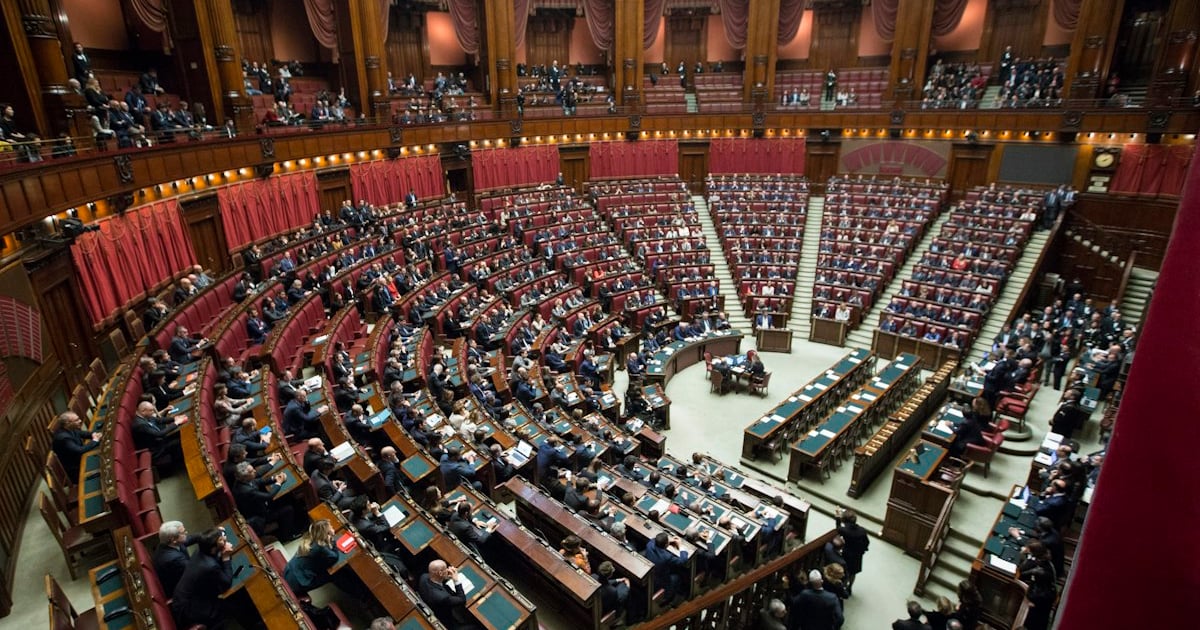
For decades, the political landscape of Bangladesh has been defined by a heavy-handed pendulum of retribution whenever power changes hands in Dhaka. As fresh calls emerge to break this debilitating cycle, the economic fallout extends far beyond local parliamentary squabbles. For Indian trade corridors, manufacturing supply chains, and regional market sentiment, the stakes are remarkably high.
Uncertainty is the ultimate enemy of capital. When political transitions in neighboring nations trigger sweeping crackdowns, asset seizures, and legislative purges, institutional confidence evaporates overnight. Bangladesh has long served as a vital manufacturing and export partner, particularly within the textile and supply chain ecosystems.
Frequent domestic upheavals disrupt logistics, delay shipments, and stall bilateral trade agreements. For Indian firms operating or sourcing across the border, risk premiums instantly shoot up. Stability in Dhaka is not merely a domestic governance issue; it is a foundational pillar for regional commerce.
Financial markets hate vacuums and volatility. When political rhetoric turns punitive, foreign institutional investors pull back capital from South Asian frontier assets. Port congestion, currency fluctuations, and sudden policy reversals directly impact bottom lines for companies with exposure to the region.
Traders tracking regional indices understand that prolonged instability translates to dampened consumer demand and sluggish infrastructure development. Until the leadership in Dhaka establishes a predictable, rules-based political framework, market players will continue pricing in a permanent geopolitical discount.
Source Attribution: Originally reported by gnews-politics (https://news.google.com/rss/articles/CBMiogFBVV95cUxQR2Qyd3Z3bEh6QzFPMEVuN3I3a1Y2V21mSnpfQVNLck82VWpQeFh5LXlmM19pMzZlbm5PY2hoUDJpZ1lfTUFGVTFmUHI4R0sxZU1ZY2c2amZ5N0JRTFBROVAycjR5ZnJQODktQXNaelNXMWJVQldyamVJY3I1UWI5VnJtTGJxVXZ4VUhMSjVuOXFPLWlnOERRMk5GdVY5MFkwLUHSAa8BQVVfeXFMT1FiaUQxUHI5Wm5OdHVDaDMydjJpdElJY3VlbDlIUnRFbEZyMHc3dmx5THg3WlNDR2E4RTVtbG4tcFFqcnlubFZsbVhjLTRoVDlIbk9aaG5pYmFOTjNKZHV1UVpLY21jaG5wX1lKUVJOOE1YVkFuM1VCN3dIOU9hZlZhUVBqa1Q1ejYtc01aV2xDRmpmS2NxVmlZbE5UUXE2QmRLclQ3aldXbTRWV3Fzcw?oc=5).
Disclaimer: The financial, market, and corporate developments published above are reported for informational and educational purposes only. GrowMudra does not provide investment advice or stock recommendations. Readers are strongly advised to consult a SEBI-registered financial advisor before making investment decisions.















0 Comment