
07 Nov , 2026 By : Shambhavi Mishra
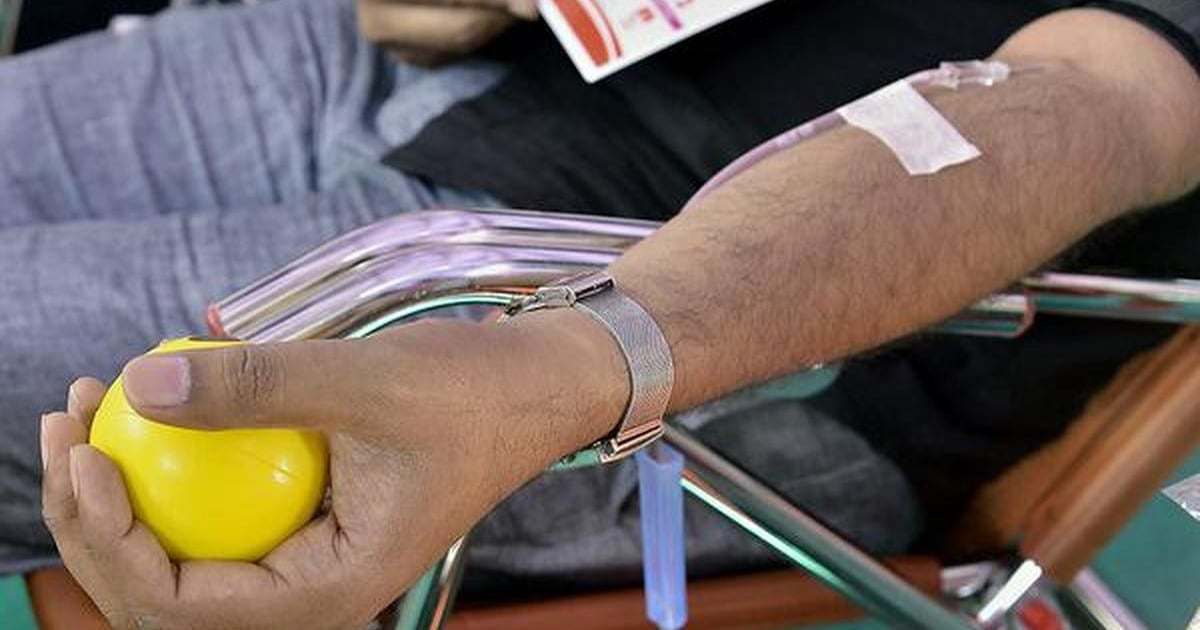
? Quick Take: Cybercriminals in Kozhikode are exploiting urgent medical appeals by posing as blood donors and extorting advance travel money. This predatory trend highlights critical vulnerabilities in digital trust networks and peer-to-peer financial transfers.
When desperation meets digital connectivity, scammers find a profitable loophole. In Kozhikode, real-time appeals for urgent blood requirements are being hijacked by cybercriminals who demand advance online payments for travel logistics before vanishing entirely. For families already reeling from medical emergencies, the financial hit compounds an already agonizing crisis, exposing the darker side of India's rapid digitization of emergency response channels.
Social media and messaging groups are lifelines during medical crises, often connecting families in desperate need of rare blood groups with voluntary donors. Fraudsters monitor these open forums, scanning for panic and urgency. Posing as willing donors, they establish contact with vulnerable relatives and manufacture logistical hurdles that require immediate financial intervention.
The script is shockingly simple yet effective. Once trust is established, the scammers claim they are stranded or need immediate fuel and transport money to reach the hospital. They insist on digital transfers via UPI or mobile wallets, promising to arrive within the hour. The moment the money lands in their digital accounts, their phones go dead, leaving families short of cash and without the critical medical support they paid to secure.
The immediate casualty of these operations is not just the stolen money, but the fragile ecosystem of voluntary blood donation. Community networks rely entirely on peer-to-peer trust and swift coordination. When bad actors poison this well, genuine donors face heightened skepticism, and families delay critical outreach out of fear of exploitation.
Financial institutions and payment gateways have built robust friction points for commercial transactions, but peer-to-peer emergency transfers remain a grey area. Law enforcement agencies struggle with jurisdictional hurdles and the anonymity provided by mule accounts. Unless platforms introduce better verification mechanisms, the economic and social cost on healthcare seekers will continue to mount.
Source Attribution: Originally reported by hindu-national (https://www.thehindu.com/news/national/kerala/donors-flag-online-fraud-targeting-patients-in-need-of-blood-in-keralams-kozhikode/article71672999.ece).
Disclaimer: The financial, market, and corporate developments published above are reported for informational and educational purposes only. GrowMudra does not provide investment advice or stock recommendations. Readers are strongly advised to consult a SEBI-registered financial advisor before making investment decisions.






















0 Comment