
28 Nov , 2026 By : Shambhavi Mishra
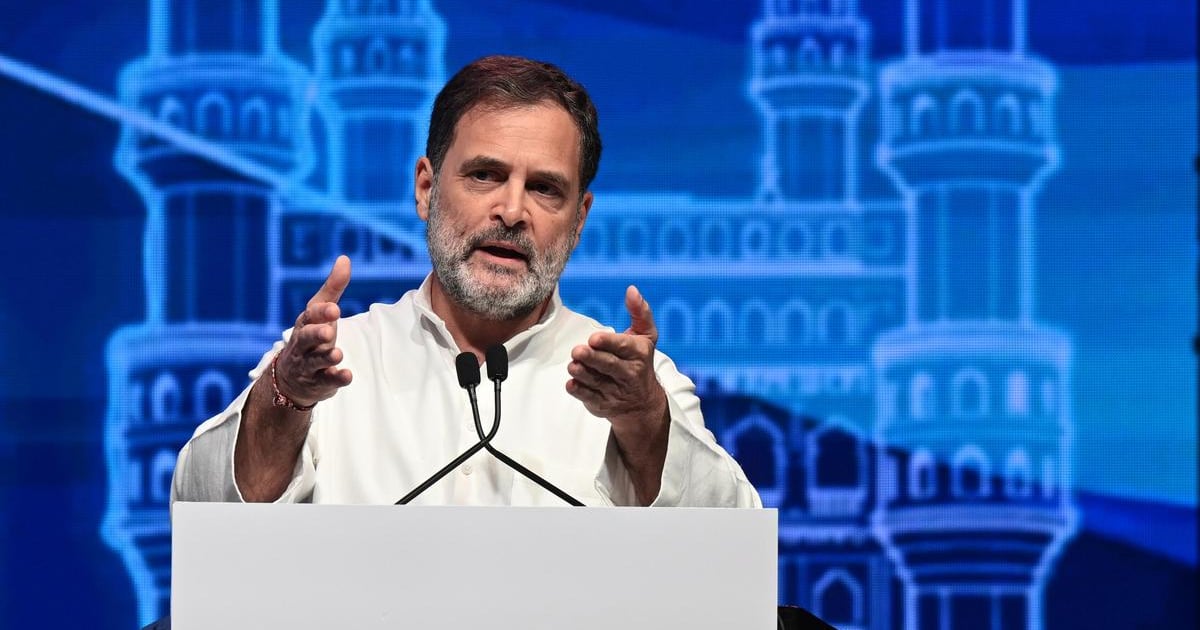
? Quick Take: Rahul Gandhi launched a sharp critique of the ruling BJP, declaring India has lost its democratic standing. For markets and investors, political friction signals rising regulatory scrutiny and policy friction ahead.
Markets hate uncertainty, and political polarization remains a persistent macro risk for foreign capital inflows. Leader of the Opposition Rahul Gandhi escalated his rhetoric against the Union government, asserting that India functions no longer as a democracy under the current BJP-led administration. The comments arrive alongside fresh administrative friction between central and state authorities, directly impacting high-profile economic gatherings.
The latest political flashpoint centers around an international event hosted by the Telangana government in Hyderabad. According to Gandhi, federal authorities actively blocked foreign delegates from attending the state-sponsored summit. Such administrative roadblocks expose deep-seated federal tensions that often bleed into bureaucratic bottlenecks for major state-level investments.
Foreign institutional investors closely track cooperative federalism when deploying capital into regional infrastructure and industrial projects. When central and state friction spills into the public eye, international stakeholders tend to pause expansion plans. Confidence gets shaken when diplomatic clearances become collateral damage in domestic political skirmishes.
Domestic equity benchmarks often brush off political rhetoric, yet intense ideological battles shape regulatory moods. Global credit rating agencies and ESG-focused funds monitor domestic governance standards, civil liberties, and institutional independence very closely. Severe domestic friction can gradually alter risk premiums demanded by foreign portfolio investors.
India's narrative as a stable, predictable growth engine relies heavily on smooth bureaucratic execution and open engagement with the global community. When international delegates face travel or entry hurdles, it creates adverse headlines globally. Global boardroom discussions take note of these friction points when allocating long-term capital.
Source Attribution: Originally reported by hindu-national (https://www.thehindu.com/news/national/india-no-longer-a-democracy-under-bjp-led-regime-rahul-gandhi/article71702053.ece).
Disclaimer: The financial, market, and corporate developments published above are reported for informational and educational purposes only. GrowMudra does not provide investment advice or stock recommendations. Readers are strongly advised to consult a SEBI-registered financial advisor before making investment decisions.











0 Comment