
07 Nov , 2026 By : Shambhavi Mishra
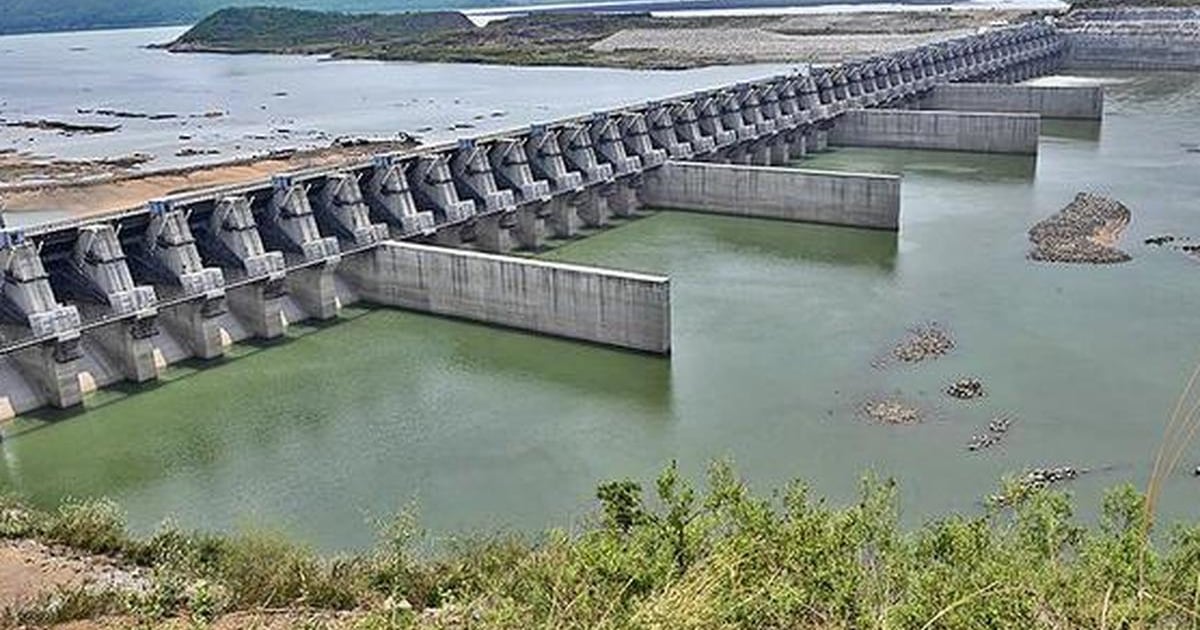
? Quick Take: Voters in the Koruturu R&R Colony completely stayed away from polling booths to protest their merger into the P. Ankampalem panchayat. For investors and observers, it highlights the recurring governance friction embedded in mega infrastructure displacement projects across India.
Democracy went silent at the polling booths of Koruturu R&R Colony as displaced families from the mega Polavaram project staged a total election boycott. Stripped of independent administrative identity after being tagged to the P. Ankampalem panchayat, residents chose empty ballot boxes over hollow administrative promises. For anyone tracking infrastructure execution and regional stability, this is not just a localized governance dispute—it is a glaring signal of systemic rehabilitation friction.
Mega-projects like Polavaram often get measured in cubic meters of concrete, budgetary allocations, and construction timelines. Yet, the human balance sheet tells a far more fragile story. Families relocated to rehabilitation colonies routinely find themselves wrestling with broken community structures, lost livelihoods, and administrative invisibility.
Subsuming Koruturu under a larger panchayat effectively erased local administrative agency. Residents are no longer masters of their own civic allocation or grassroots development funds. The ballot boycott is the loudest possible pushback against bureaucratic oversight that treats rehabilitation as a one-time monetary settlement rather than a continuous social contract.
Investor sentiment in infrastructure does not exist in a vacuum. Long-term capital deployment relies heavily on social license and smooth land acquisition cycles. When rehabilitation colonies face systemic friction and prolonged administrative alienation, local resistance hardens against future expansion phases.
State governments face mounting pressure to balance ambitious engineering feats with grassroots governance demands. Unresolved local grievances frequently translate into project delays, legal roadblocks, and inflated execution costs. The market hates uncertainty, and grassroots unrest introduces unpredictable variables into the regional development timeline.
Source Attribution: Originally reported by hindu-national (https://www.thehindu.com/news/national/andhra-pradesh/polavaram-project-displaced-families-boycott-polling-demand-separate-panchayat/article71673264.ece).
Disclaimer: The financial, market, and corporate developments published above are reported for informational and educational purposes only. GrowMudra does not provide investment advice or stock recommendations. Readers are strongly advised to consult a SEBI-registered financial advisor before making investment decisions.

























0 Comment