
17 Nov , 2026 By : Shambhavi Mishra

? Quick Take: The ongoing Monsoon session of Parliament has crossed an 88-day threshold without formal closure, triggering fierce allegations from the Congress party. Opposition leaders claim the delay is a calculated move to buy time for the Home Ministry to secure numbers for upcoming legislative agendas.
When parliamentary timelines stretch far beyond traditional boundaries, Dalal Street and political corridors alike stop to calculate the underlying motives. The current Monsoon session's unprecedented 88-day streak without formal prorogation has set off alarm bells in the opposition camp. For retail investors and market observers tracking policy stability, legislative inertia or aggressive procedural pacing directly impacts economic predictability and reform momentum.
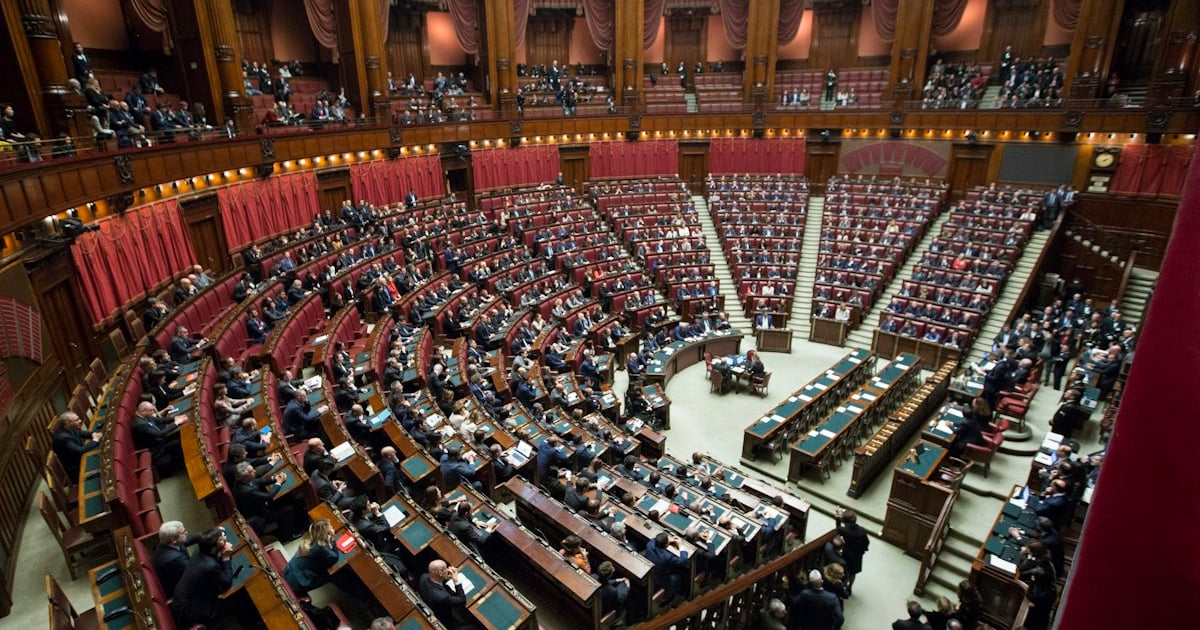
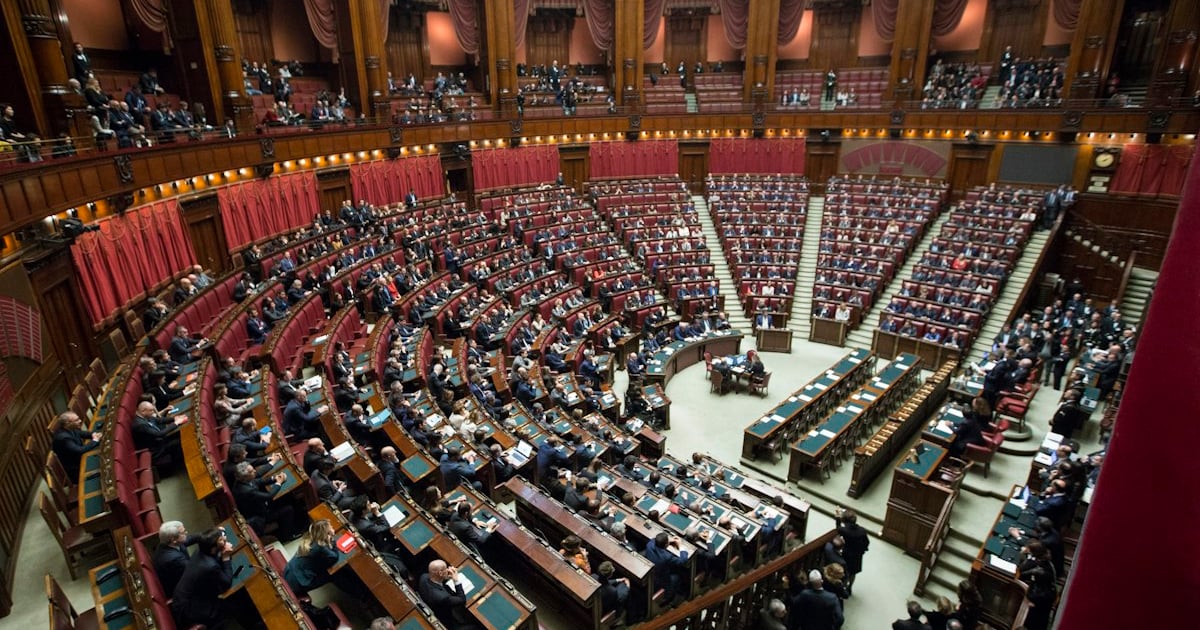
Parliamentary sessions typically adhere to structured calendars, making an open-ended 88-day stretch an extreme outlier. By avoiding the formal prorogation of the Lok Sabha, the ruling administration maintains procedural continuity that changes how legislative business is handled. This unusual administrative runway has bypassed standard legislative checkpoints, leaving political analysts questioning the urgency behind keeping the session active.
Markets thrive on policy clarity, yet prolonged parliamentary extensions often signal backroom maneuvering rather than routine legislative debates. When ordinary procedural rules are bent, institutional stability faces a subtle test. Traders navigating regulatory risk must watch how these legislative timelines intersect with major economic bills waiting in the pipeline.
The core grievance raised by the grand old party targets Home Minister Amit Shah, with allegations pointing toward calculated numbers-game tactics. According to opposition leaders, the failure to prorogue the Lok Sabha gives the executive critical time to muster numbers for contentious legislative items, notably upcoming Delimitation Bills. Critics argue this maneuver is designed to engineer a super-tainted two-thirds majority for heavy-duty policy pushes.
Such aggressive political engineering raises serious governance questions. If legislative numbers are being whipped up through extended sessions, consensus-building takes a back seat. For the broader economic ecosystem, highly polarized legislative battles often mean sudden policy shifts that can catch sector indexes completely off guard.
Source Attribution: Originally reported by gnews-top-india (https://news.google.com/rss/articles/CBMihAJBVV95cUxPRTVmU3I4Y0Y2TDIyTHZHdUZBRWUySl9GUVo0ZTJNLW5UUlM3eWFxQnBOR29NSVlGLVBwOVlxOGYyOUtBV05aRHI4dGtlSWg2d09TNXpkaC1Za3NVbUdrb2Zqc2R5Z1BZYnpRSGJFZWdYczdhZTdscXJhUk4tSEJLWE9ueDBraE5JM3NrTjg3N2tEemd3YlZLQkJOcXZqNUhuQXEwR241OVQxLThqb09rYkZLUkpfclhwRFNKeHJEalAtSTMteS0xNUtUQmJzQTJwd1p0OVRvZ2gtZnViLTlXSTZKcHNuY2FNTnlnLUNZcE1xS2dBa2ZxS2xZNk5wMjdzbG9hVNIBigJBVV95cUxOd3BLam9kVDZ0bnJzRm9MeUo5cmU4Y0ozV3RDR1AtdTBNdzg2Q3hOOFFHaGJJV3JpOFFhR1pXREVudEpNcFJMY3c0cU95ZFBhamI2TGk3aTRvYzhLUHZDQ0c0bHQxWTUtMTBvLXZiTHVkWkVpWGI0d0xXOG4tbkRxSGpHTEFncDByenVhSkZ5WEhQYk8weWJXeTNGQ2ZvNHhkMTJJY2RRRFhvVmJnMXpRUjNtdWlPMWNlTXcyN0RKSU8yUkEzU1BmME9PNm5YaDFrdjd5V216eTR6QXpyRHVHaFBaNUdaZzlJelZ3UW5mNjU0VVh6TFhUM05SSnp4Y2hDb3BTVzBxNVI0UQ?oc=5).
Disclaimer: The financial, market, and corporate developments published above are reported for informational and educational purposes only. GrowMudra does not provide investment advice or stock recommendations. Readers are strongly advised to consult a SEBI-registered financial advisor before making investment decisions.































0 Comment