
12 Nov , 2026 By : Shambhavi Mishra
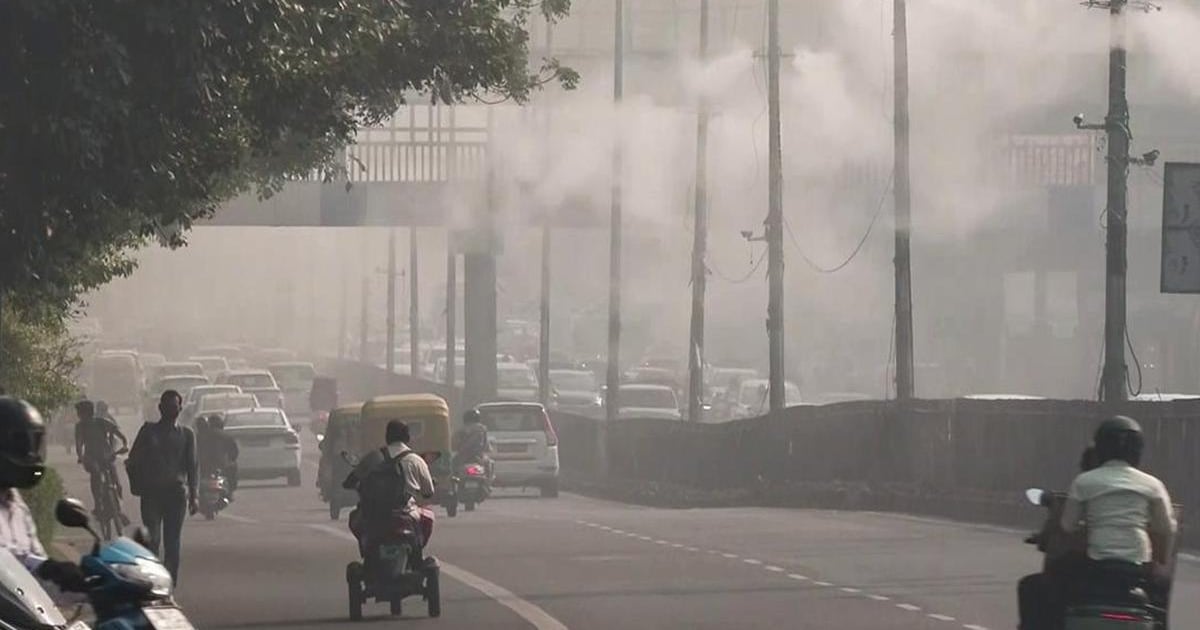
? Quick Take: Delhi's air quality plummeted to a near-severe AQI of 383 on Diwali morning, with hotspots like Jahangirpuri touching 450. The annual pollution spike exacts a heavy toll on urban productivity, healthcare spending, and regional economic activity.
Morning broke over the national capital not with festive clarity, but under a suffocating blanket of toxic smog. An Air Quality Index reading of 383 places Delhi perilously close to the severe category, casting a familiar shadow over celebrations and ringing alarm bells for public health officials and market observers alike. For India's economic engine, these severe winter spikes represent far more than an environmental crisis—they translate into lost man-hours, surging healthcare expenditures, and sudden disruptions in urban consumption patterns.
Data streaming from the Sameer app paints a grim picture across neighborhoods. Jahangirpuri recorded the highest AQI at a staggering 450, pushing straight into the severe-plus danger zone. Hotspots like RK Puram followed closely behind at 448, proving that the toxic haze was not confined to industrial peripheries but blanketed residential core zones completely.
Markets and businesses operating out of the National Capital Region cannot afford to ignore these numbers. Chronic air pollution directly impacts workforce efficiency, drives up absenteeism due to respiratory illnesses, and strains municipal finances through emergency response measures. When particulate matter reaches these levels, the invisible drag on productivity begins to compound rapidly.
Festive retail spending typically serves as a massive liquidity booster for the Indian economy during Diwali. Yet, severe toxic haze alters consumer behavior in subtle yet profound ways. Footfalls in open-air markets and high-street retail zones take a direct hit as families opt to stay indoors rather than brave hazardous outdoor air.
E-commerce logistics, delivery fleets, and gig-economy workers bear the immediate brunt of these hazardous conditions. Companies are forced to invest heavily in protective gear and operational adjustments, squeezing margins in retail and last-mile delivery segments just as peak season demand peaks. The broader economic friction builds quietly behind the festive facade.
Source Attribution: Originally reported by hindu-national (https://www.thehindu.com/news/cities/Delhi/delhi-wakes-up-to-toxic-haze-on-diwali-close-to-severe-aqi-at-383/article71680540.ece).
Disclaimer: The financial, market, and corporate developments published above are reported for informational and educational purposes only. GrowMudra does not provide investment advice or stock recommendations. Readers are strongly advised to consult a SEBI-registered financial advisor before making investment decisions.



























0 Comment