
11 Nov , 2026 By : Shambhavi Mishra
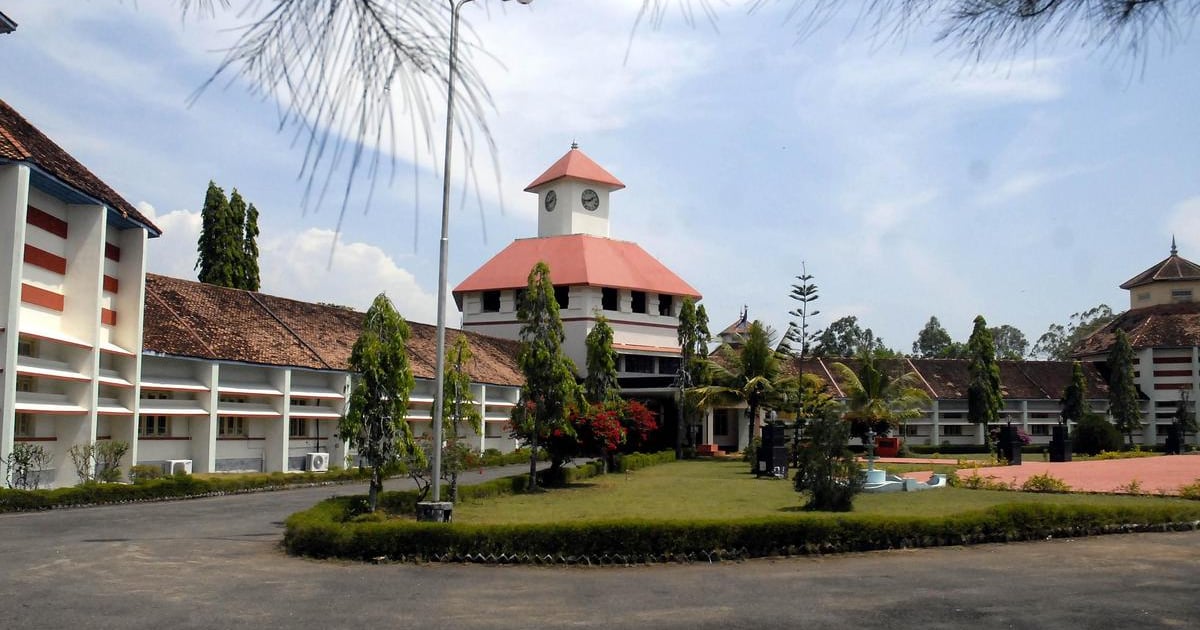
? Quick Take: Local resistance has flared up against the civic administration's bid to acquire 20 acres of a premier Sainik School campus for a waste processing plant. This clash highlights the acute friction between municipal infrastructure demands and institutional land preservation.
Urban India is drowning in its own refuse, but finding a backyard for municipal garbage is proving harder than ever. The latest flashpoint is unfolding on the sprawling grounds of a Sainik School, where local stakeholders and alumni have drawn a hard line against the municipal body's aggressive land acquisition plans. At stake is a 20-acre parcel earmarked for a modern waste-to-energy facility, pitting urgent urban sanitation needs directly against educational legacy and ecological preservation.
Municipal corporations across the country are scrambling to find contiguous land parcels large enough to host integrated solid waste management facilities. Land banks are scarce, and buying private land at market rates is a budgetary nightmare for cash-strapped local bodies. Public institutions and defense-linked campuses often look like easy targets on administrative zoning maps.
However, carving out 20 acres from a premier residential and training institution like Sainik School invites immediate blowback. Critics argue that utilizing institutional acreage for industrial-scale garbage handling compromises the academic environment, student health, and long-term expansion goals of the institution. What looks like an efficient administrative fix on paper quickly transforms into a legal and social quagmire on the ground.
Waste-to-energy plants are heavily promoted by urban planners as the silver bullet for municipal garbage crises. They promise power generation, reduced landfill footprints, and modern disposal methods. Yet, the financing and execution of these plants rely heavily on public acceptance and seamless land acquisition.
When projects stall due to intense local resistance, project timelines stretch indefinitely, and capital expenditures inflate. Investors tracking municipal bonds or urban infrastructure funds should watch these grassroots standoffs closely. Delays in site allocation directly impair the operational viability of waste management contractors and strain urban governance budgets.
Source Attribution: Originally reported by hindu-national (https://www.thehindu.com/news/national/kerala/protest-against-move-to-set-up-waste-processing-plant-on-sainik-school-campus/article71678493.ece).
Disclaimer: The financial, market, and corporate developments published above are reported for informational and educational purposes only. GrowMudra does not provide investment advice or stock recommendations. Readers are strongly advised to consult a SEBI-registered financial advisor before making investment decisions.































0 Comment