
15 Nov , 2026 By : Shambhavi Mishra
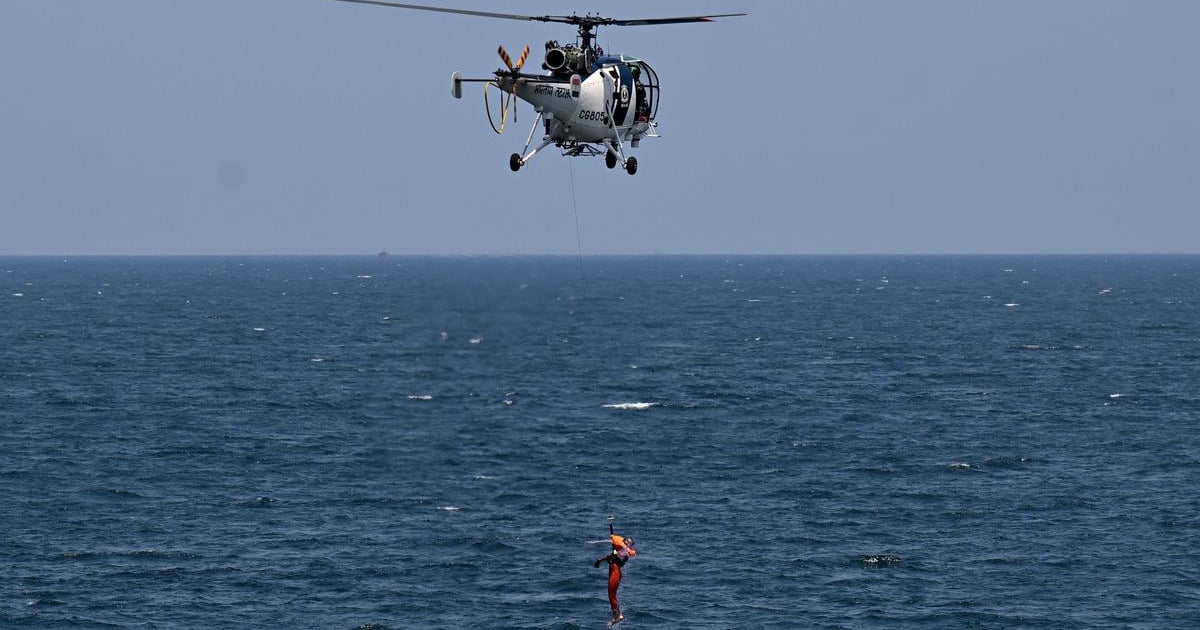
? Quick Take: The Madras High Court has questioned the glaring absence of chopper deployments in coastal drowning rescues. This judicial intervention exposes critical gaps in India's maritime emergency infrastructure.
When a 17-year-old was swept away by fierce high tides recently, it triggered more than just local grief. It forced the judiciary to ask an uncomfortable question that coastal states have dodged for years: why are helicopters missing from active sea-rescue operations? Justices A.D. Jagadish Chandira and B. Karthikeyan took suo motu cognizance of the habeas corpus plea, directly pulling the Maritime Rescue Coordination Centre into the line of fire.
For decades, standard operating procedures for maritime incidents along Indian shores have relied heavily on shore-based personnel and surface vessels. These legacy methods lose crucial minutes when battling high-energy surf and unpredictable rip currents. By hauling up apex coordination bodies, the bench is signaling zero tolerance for bureaucratic red tape during life-or-death crises.
Taxpayers fund disaster response machinery expecting rapid, multi-modal deployment. Yet, families facing coastal tragedies are repeatedly met with institutional paralysis. The court's sharp query highlights a systemic failure to upgrade tactical response assets to match modern aviation and rescue standards.
India boasts thousands of kilometers of coastline, yet airborne search and rescue remains an underfunded, disjointed afterthought. Coordination between state marine police, the Coast Guard, and specialized aviation wings often gets trapped in jurisdictional ping-pong. Precious hours vanish while officials clarify who authorizes airborne deployment.
Helicopters equipped with winches and thermal imaging can spot swimmers in heavy swells far faster than any boat cutting through churning waves. The economic cost of inadequate disaster response is measured not just in human tragedy, but in the erosion of public trust in civic infrastructure. Citizens deserve a framework where life-saving aerial assets are scrambled instantly, not debated over files.
Source Attribution: Originally reported by hindu-national (https://www.thehindu.com/news/national/tamil-nadu/why-cant-helicopters-be-used-for-sea-drowning-rescue-operations-asks-madras-high-court/article71681473.ece).
Disclaimer: The financial, market, and corporate developments published above are reported for informational and educational purposes only. GrowMudra does not provide investment advice or stock recommendations. Readers are strongly advised to consult a SEBI-registered financial advisor before making investment decisions.



























0 Comment