
11 Nov , 2026 By : Shambhavi Mishra
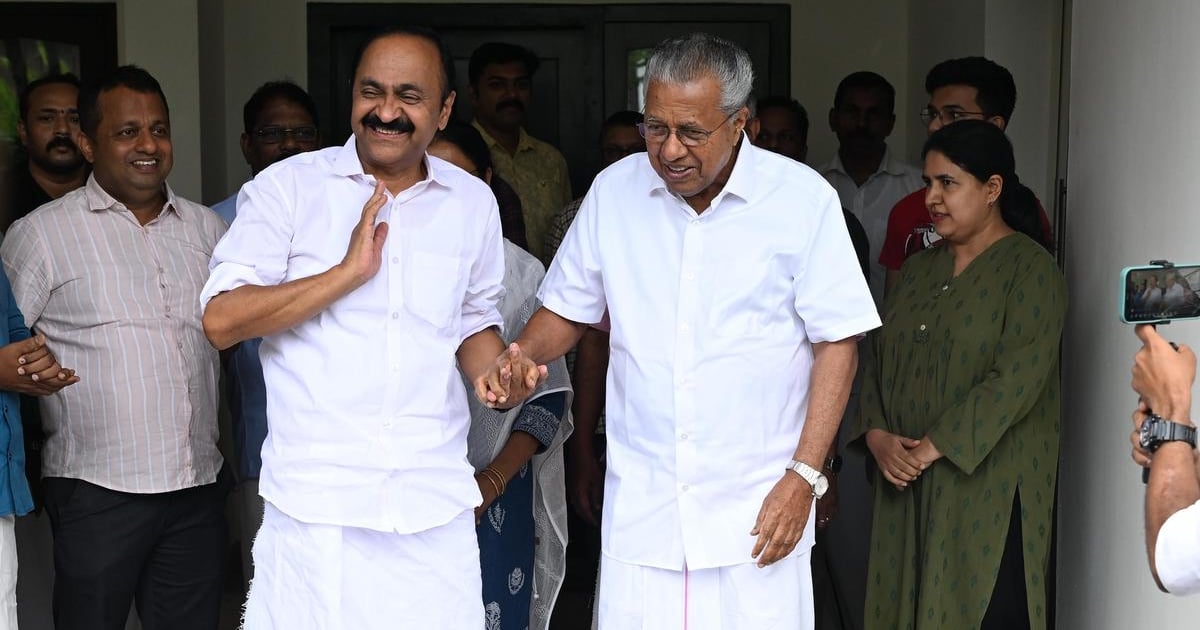
? Quick Take: A bitter political showdown has erupted in Kerala over high-stakes power supply deals between Chief Minister Pinarayi Vijayan and opposition leader V.D. Satheesan. The friction spotlights procurement transparency within the state electricity board, directly impacting fiscal prudence and long-term taxpayer liabilities.
State energy procurement is rarely just about keeping the lights on. In Kerala, it has rapidly devolved into a high-decibel political slugfest. Chief Minister Pinarayi Vijayan and opposition leader V.D. Satheesan are locking horns over conflicting power supply proposals, raising serious questions about how state utilities contract electricity and prioritize vendor bids.
At the center of the political storm is the Chief Minister's choice to opt for power supply from GNA Energy OTC. Defending the move, Vijayan pointed out that the former Kerala State Electricity Board (KSEB) Chairman and Managing Director had explicitly noted that the proposal could be considered. That defense, however, has done little to calm critics.
The opposition is refusing to let the justification slide. Procurement transparency in state utilities directly affects public finances. When multi-crore power purchase agreements bypass alternative state offers, market watchers and taxpayers alike demand absolute clarity on pricing metrics and tariff advantages.
The core of Satheesan's critique hinges on a competing offer. The opposition is aggressively demanding to know why the state administration chose the GNA Energy OTC route over a distinct proposal originating from the Himachal Pradesh government.
State-to-state power arrangements often carry implicit assurances of stability and competitive state-regulated tariffs. Pinarayi's challenge to the opposition—asking them to clarify the exact basis for favoring the HP bid—turns the political table, setting up a fierce debate over comparative cost structures.
Power purchase agreements dictate the monthly outlays of KSEB, a utility that has historically battled tight balance sheets and subsidy burdens. Every rupee spent on inefficient short-term or long-term power pooling eventually trickles down to industrial tariffs or retail consumer bills.
When political leaders trade sharp words over procurement protocols, it exposes deeper vulnerabilities in regulatory oversight. Investors with exposure to regional industrial sectors and businesses relying on steady, cost-effective power must monitor how these policy bottlenecks resolve.
Source Attribution: Originally reported by hindu-national (https://www.thehindu.com/news/national/kerala/satheesan-pinarayi-trade-sharp-words-over-power-supply-deals-in-keralam/article71678190.ece).
Disclaimer: The financial, market, and corporate developments published above are reported for informational and educational purposes only. GrowMudra does not provide investment advice or stock recommendations. Readers are strongly advised to consult a SEBI-registered financial advisor before making investment decisions.





















0 Comment