
20 Nov , 2026 By : Shambhavi Mishra
? Quick Take: Political longevity in regional Indian parties often depends on absolute centralization of power. Revisiting Jayalalithaa's ruthless cabinet purges offers a masterclass in autocratic party management.
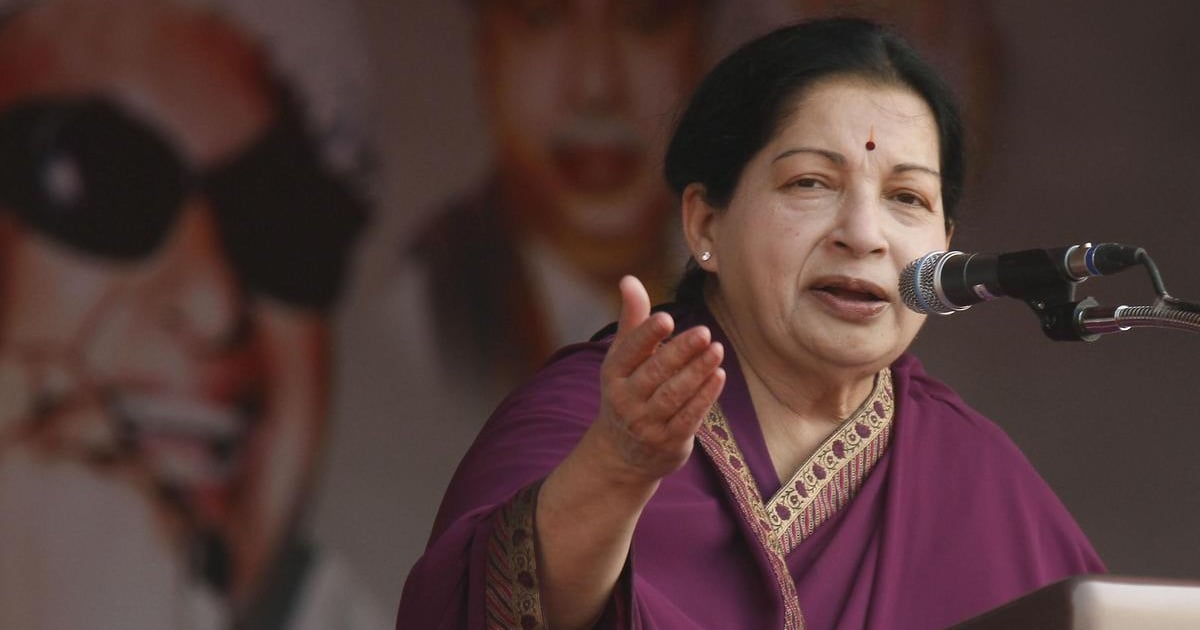
Long before modern political analysts began dissecting the survival strategies of regional satraps, former Tamil Nadu Chief Minister Jayalalithaa perfected a distinct brand of governance. The AIADMK general secretary commanded absolute authority, running her administration with zero tolerance for internal dissent or complacency. Ministers learned early on that holding a portfolio was precarious, sometimes lasting a mere matter of days before an abrupt dismissal.
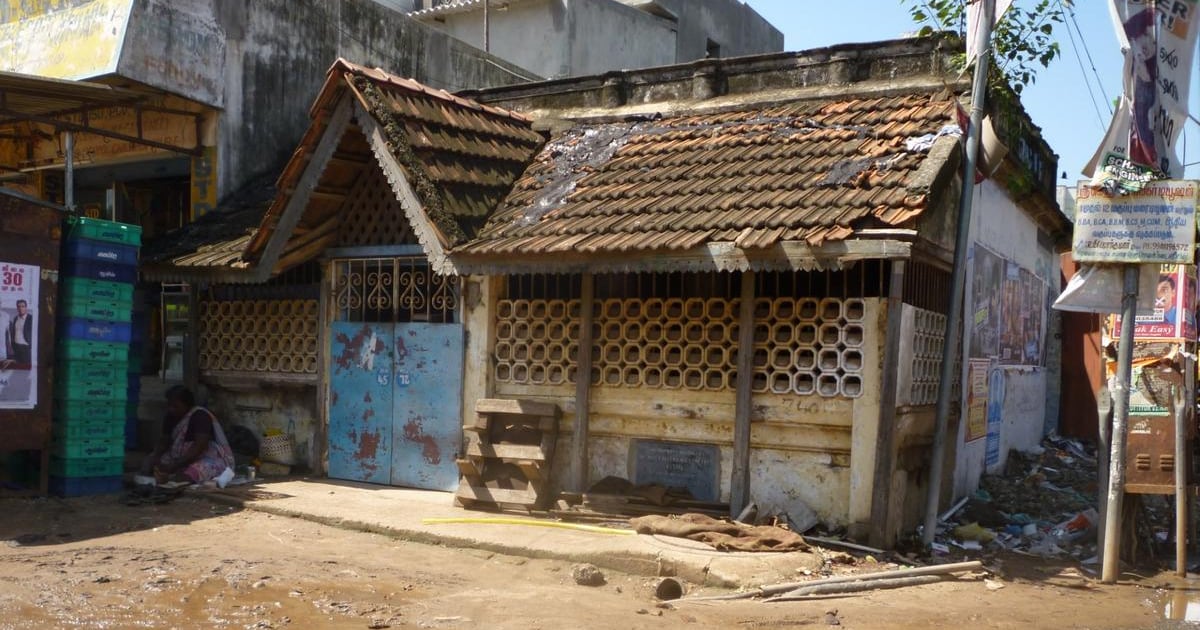
Power in Jayalalithaa’s inner circle was never institutional; it remained entirely personal. She routinely reshuffled cabinets and dropped ministers before they even had time to settle into their official ministerial bungalows. This kept the political machinery permanently on edge and ensured that loyalty stayed focused exclusively on her charisma.
Investors and market watchers often underestimate how political stability shapes economic policy execution in southern states. When governance bottlenecks are cleared through sheer executive dominance, infrastructure projects move faster. Yet, extreme centralization carries structural risks when succession planning is non-existent.
Today, contemporary figures like Chief Minister C. Joseph Vijay navigate a similar political landscape where parties revolve around a singular, commanding personality. Building a political outfit entirely anchored on star power demands strict internal hierarchy. History shows that managing high-profile aspirants requires constant, heavy-handed discipline.
Markets dislike administrative paralysis driven by factional infighting. The Jayalalithaa model prevented factionalism by eliminating ambitious deputies before they could build independent power bases. It was harsh, highly personalized, and ruthlessly effective.
Source Attribution: Originally reported by hindu-national (https://www.thehindu.com/news/national/tamil-nadu/when-jayalalithaa-sacked-ministers-even-before-they-moved-into-their-official-bungalows/article71686003.ece).
Disclaimer: The financial, market, and corporate developments published above are reported for informational and educational purposes only. GrowMudra does not provide investment advice or stock recommendations. Readers are strongly advised to consult a SEBI-registered financial advisor before making investment decisions.


















0 Comment