
25 Nov , 2026 By : Shambhavi Mishra

? Quick Take: Prime Minister Narendra Modi took a sharp swipe at political opponents while highlighting a historic decade of 4 percent agricultural growth. For market observers and rural investors, the address signals an aggressive push toward smarter farming and chemical reduction under Viksit Bharat.
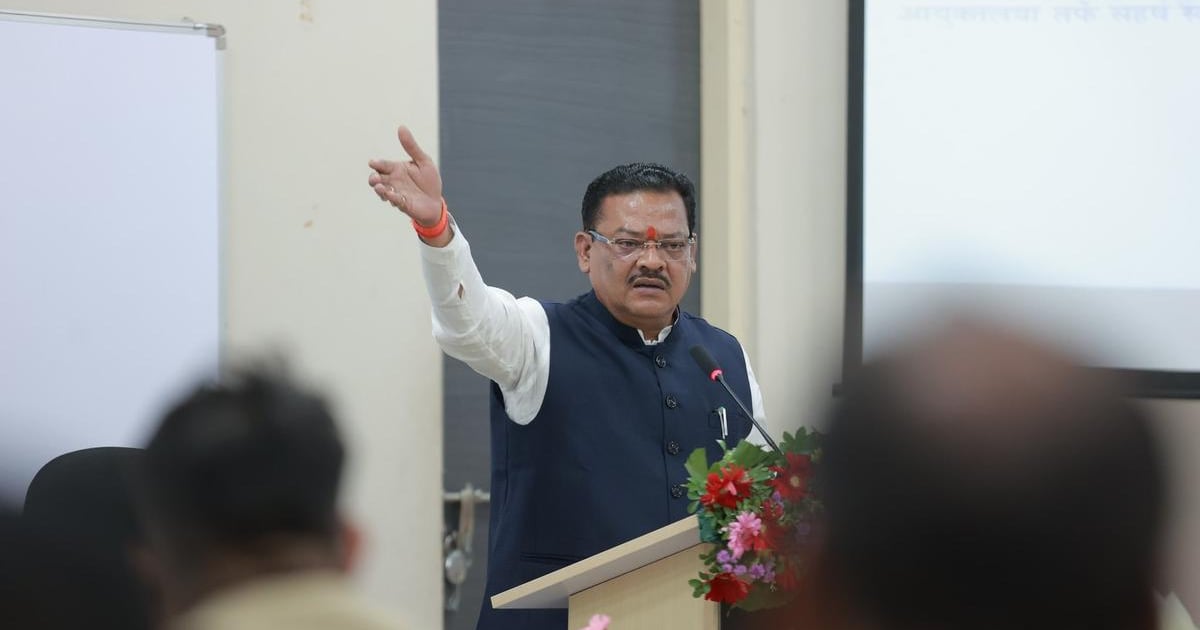
Prime Minister Narendra Modi didn't mince words at the Kisan Tak Bharat Agriculture Conference 2026, delivering a blistering critique of political adversaries who treat democratic institutions as personal property. Beyond the political rhetoric, the Prime Minister dropped vital economic markers, spotlighting a decade where agricultural growth consistently topped 4 percent for the first time since Independence—a critical cushion for rural consumption and agri-stock valuations.
For years, economists have debated the fragility of India's rural economy. Modi countered this narrative by pointing to the uninterrupted 4 percent growth streak in agriculture over the past ten years. This resilience has kept rural demand afloat despite erratic monsoon patterns and global supply chain shocks.
The Centre also absorbed a massive financial cushion for the agricultural sector, absorbing ?43 of the diesel hike to protect farmers from soaring input costs. This heavy fiscal lifting directly insulated tractor manufacturers, agrochemical players, and rural-focused NBFCs from margin compression.
A striking takeaway from the conference was the direct policy pivot away from heavy chemical usage. Modi took clear aim at chemical-laden farming practices, pushing the agri-ecosystem toward sustainable alternatives and tech-driven yields.
This signals an impending structural shift for India's massive fertilizer and pesticide industries. Companies pivoting toward organic inputs, bio-fertilizers, and precision agriculture technology are positioning themselves to capture future government subsidies and changing consumer preferences.
The broader economic narrative ties agricultural modernization directly to the Viksit Bharat roadmap. Smarter farming techniques and enhanced rural empowerment translate into deeper financial inclusion and steady discretionary spending in semi-urban India.
Investors tracking FMCG giants and two-wheeler majors should watch rural wage growth closely. When input costs are managed and agricultural output remains stable, rural disposable income naturally expands, trickling straight down into corporate earnings reports.
Source Attribution: Originally reported by gnews-top-india (https://news.google.com/rss/articles/CBMixwFBVV95cUxOSUxkcHhabTFsbzkyRXNqVGFmclFGN202YVp5dHc1NmVXNE1KVW1FWDFvMmNzU0Z0ZDBtUEFpVzVxWnZsRXd2UGRDQ21WdUlJdkJIMTlyQjFLeThxV2Y4a3M5cUlXbHBicFBLTVZMb2p3OHpuTFFjckhXOV9GTllQZXFlbEQxaFg1ZllHdUMweU03TUFvcWhjSGM0S2IyOWcyZEw0Yml6aWJPakx6OFBrTV9ZMzRfV2J1aE82SG00VDNuUjNoWjNB?oc=5).
Disclaimer: The financial, market, and corporate developments published above are reported for informational and educational purposes only. GrowMudra does not provide investment advice or stock recommendations. Readers are strongly advised to consult a SEBI-registered financial advisor before making investment decisions.

























0 Comment