
29 Nov , 2026 By : Shambhavi Mishra

? Quick Take: Benjamin Netanyahu is pushing hard for a national unity government to manage soaring geopolitical threats involving Iran. Markets and domestic rivals remain deeply skeptical, translating political friction into lingering volatility.
Geopolitical tremors out of the Middle East have a direct pipeline to global energy prices, supply chains, and investor risk appetite. As Israeli Prime Minister Benjamin Netanyahu insists that only a broad-based coalition can safeguard national security, domestic opposition led by figures like Eisenkot has shot down the overture as political maneuvering. For Indian investors watching crude oil benchmarks and foreign portfolio flows, political gridlock in Tel Aviv signals that Middle Eastern instability is far from reaching a resolution.
Netanyahu's public appeal for talks without preconditions aims to project strength and national consensus as security challenges mount. He argues that addressing the Iranian threat requires absolute domestic alignment rather than fractured parliamentary politics.
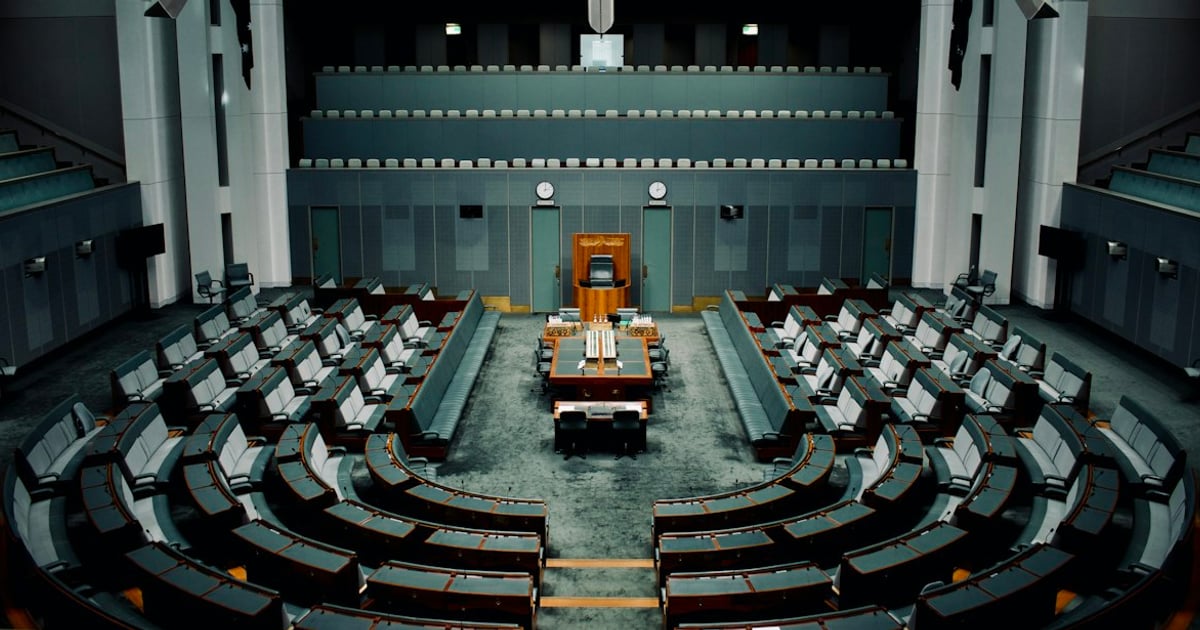
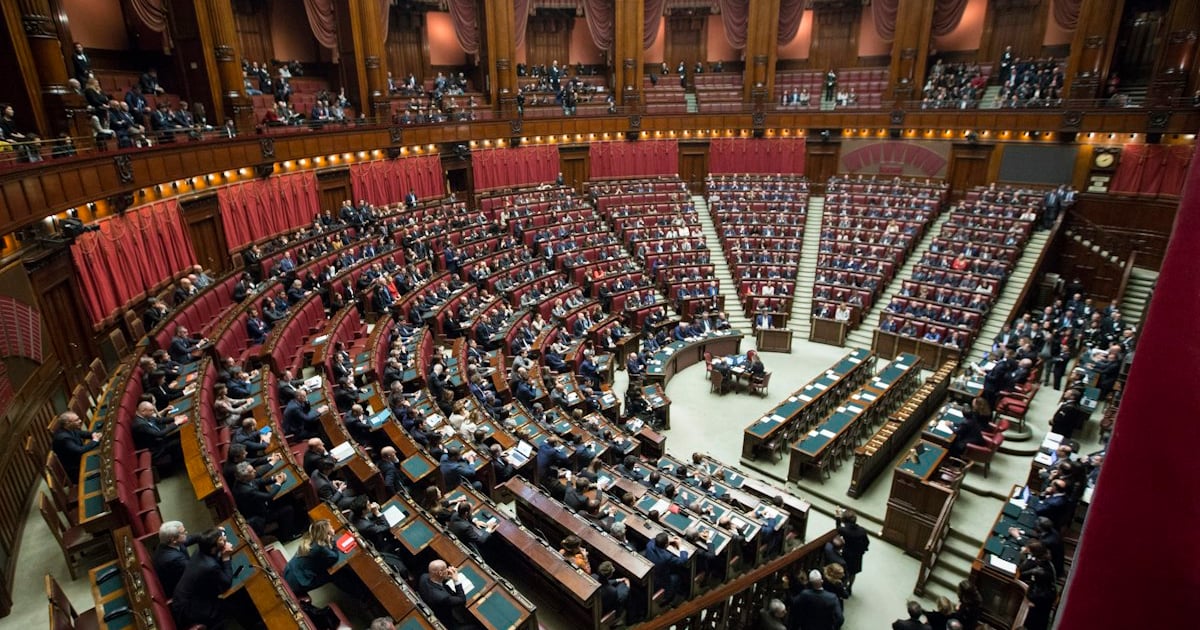
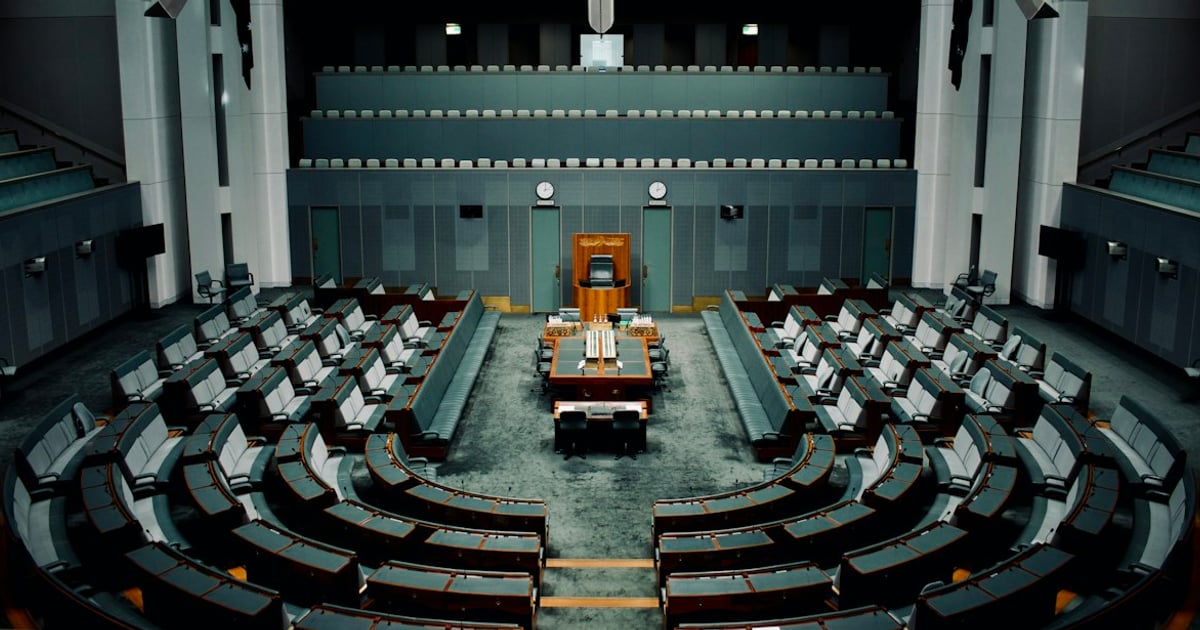
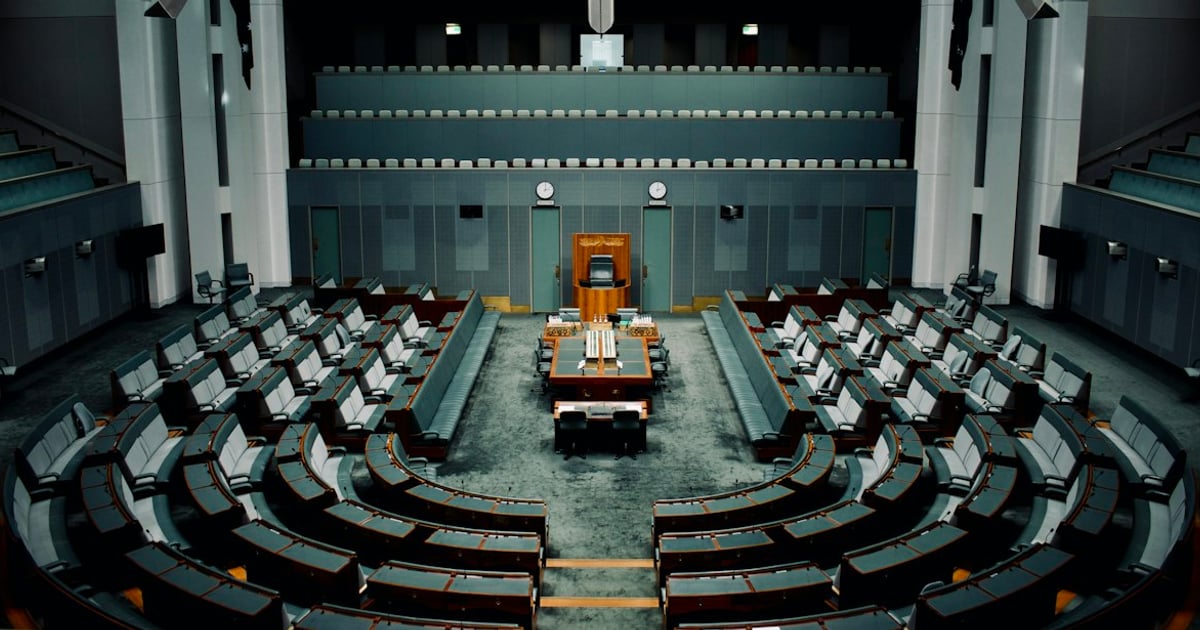
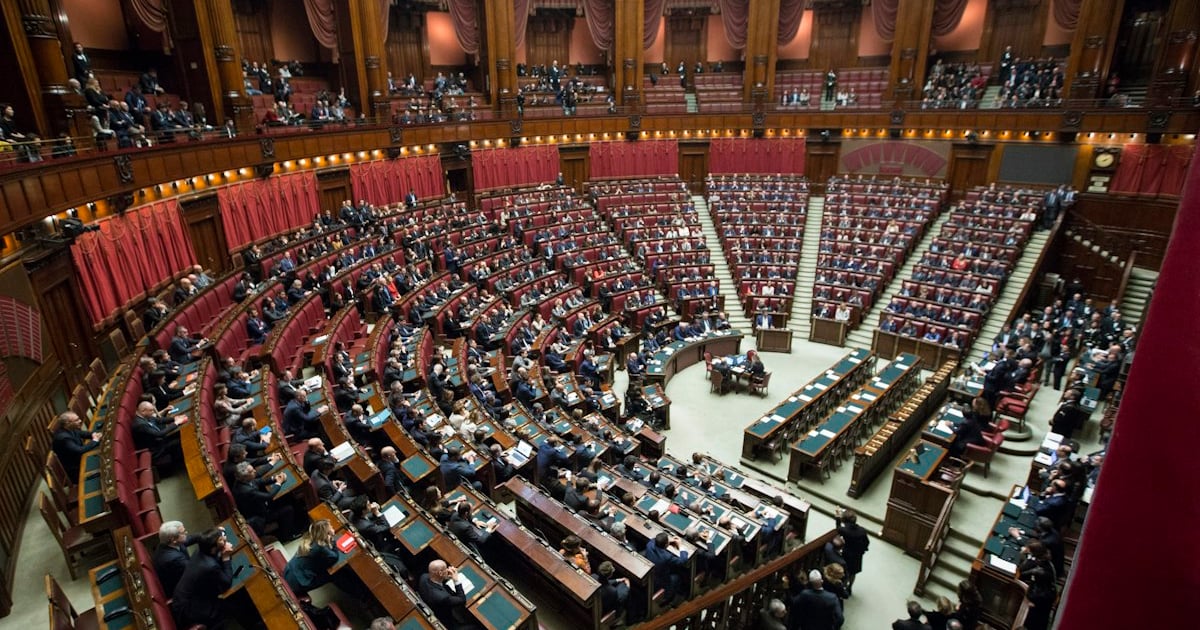
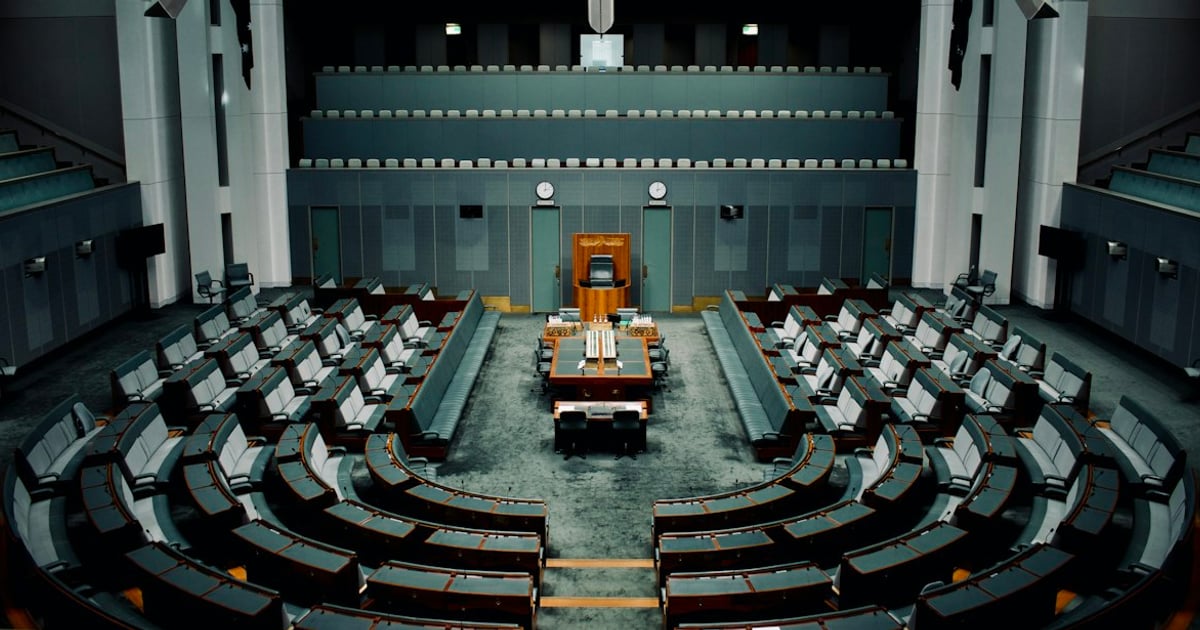
Yet, the political establishment is far from persuaded. Eisenkot and other key opposition leaders have dismissed the overture as tactical spin, choosing instead to navigate their own parallel coalition-building efforts within a newly sworn-in parliament. This friction ensures that Israel's domestic policy arena remains volatile.
India imports a massive share of its crude requirements, making any escalation in Middle Eastern hostilities an immediate threat to domestic inflation and the fiscal deficit. When political instability grips key regional players, energy risk premiums spike almost instantly.
For equity traders, persistent uncertainty translates into nervous trading sessions on Dalal Street. Foreign institutional investors tend to pull capital out of emerging markets during heightened global conflict risks, putting pressure on the rupee and local benchmark indices.
Source Attribution: Originally reported by gnews-top-india (https://news.google.com/rss/articles/CBMisAFBVV95cUxQU3RqZl9HSGl4emgtQlBGWWFvTkxwT2NMT3JGWWd3Y2NMT2FTMDdRa2VEbFNyRjVhb3NrY2FuMFBLUnJHYnRKV0JCaFp4RldXN2h5Mkl5VEVYenF4Mllyc0RpazNaTTEyQTFlS1Y2NFIzSTZudUtEeTQ4UVp6U0F3YVBGdFZhRURSSmNHUFhQdXhCZ2Nmc0U0SEo4ODNOcU1YMFNaZzNoRlF0X3FvOFpET9IBtgFBVV95cUxPc2dVNk9OUzZHSmFhVndvOW5NME9ZdHhHQU01WkJXWXBTTkV1UjYzdnI1VDctZzNYbl9tZ2J6WTZ1cUNrSU0xYTh1UUFzSENnckZqLUpkX1hrTEY4NW5aZXdlbG4tQlRBWmw2R2dKdVVDYzZkc1hLbmVQRVpES0xETlFRdGVxSHRaWUVVcE85ZGtxQ0twQkJYT2ZCME1vLWFLSXpEampnMEFHRmZiUGZmMmhqbEdBZw?oc=5).
Disclaimer: The financial, market, and corporate developments published above are reported for informational and educational purposes only. GrowMudra does not provide investment advice or stock recommendations. Readers are strongly advised to consult a SEBI-registered financial advisor before making investment decisions.
























0 Comment