
11 Nov , 2026 By : Shambhavi Mishra
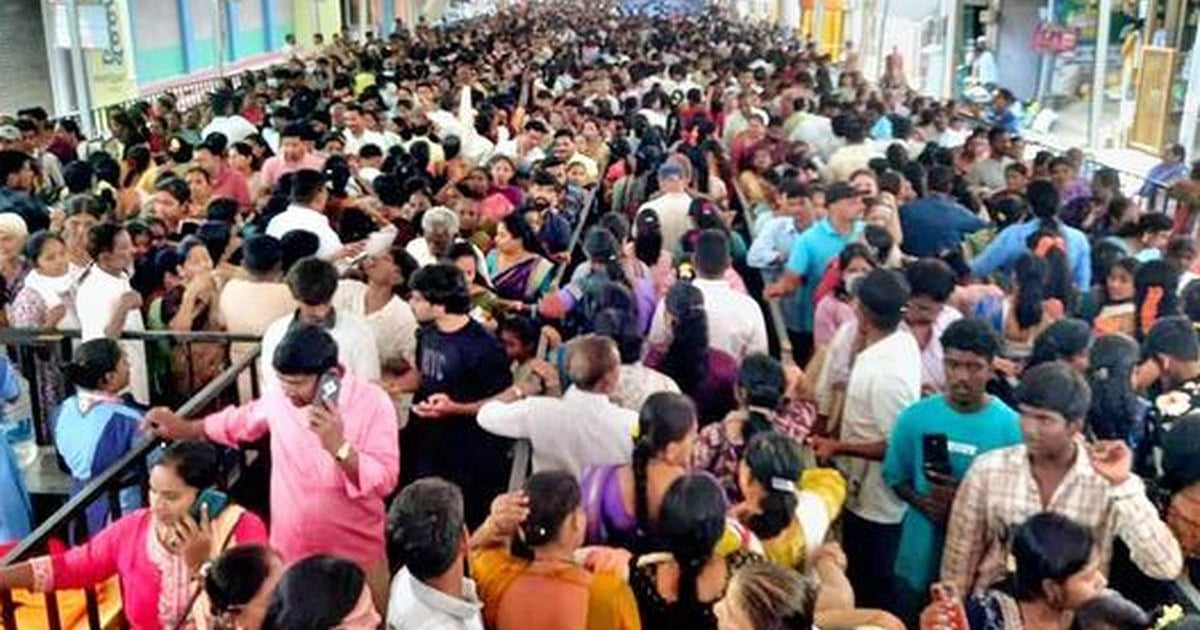
? Quick Take: Massive footfalls at the Hasanamba Temple are unlocking substantial seasonal revenue for local vendors and transport operators. For regional stock pickers and small-business watchers, spiritual tourism continues to be a high-yield micro-economy.
The annual opening of the Hasanamba Temple in Karnataka has once again transformed into a massive logistical and economic event, drawing lakhs of devotees in a matter of days. Beyond the profound spiritual devotion, this intense surge of human traffic represents a high-velocity injection of capital into the regional economy, benefiting everyone from roadside tea stall owners to regional transport providers.
When hundreds of thousands of pilgrims descend upon a single town, the micro-economy reacts almost instantly. Hospitality providers, local eateries, and vendors selling ritual offerings see their quarterly sales targets met in just a few fleeting days.
Cash velocity spikes visibly across the district. This concentrated footfall acts as a temporary stimulus package for the local unorganized sector, which depends heavily on these high-density festive windows to sustain operations through the rest of the year.
Managing a sea of humanity requires heavy municipal expenditure on crowd control, parking, sanitation, and temporary healthcare setups. Local authorities are perpetually tested by the sheer scale of mobilization.
While the revenue generation is undeniable, municipal ledgers often absorb significant operational costs to keep traffic bottlenecks from paralyzing the city. Balancing crowd safety with commercial gain remains a tightrope walk for local administrators.
Source Attribution: Originally reported by hindu-national (https://www.thehindu.com/news/national/karnataka/hasanamba-temple-draws-lakhs-of-devotees/article71678078.ece).
Disclaimer: The financial, market, and corporate developments published above are reported for informational and educational purposes only. GrowMudra does not provide investment advice or stock recommendations. Readers are strongly advised to consult a SEBI-registered financial advisor before making investment decisions.































0 Comment