
30 Oct , 2026 By : Shambhavi Mishra
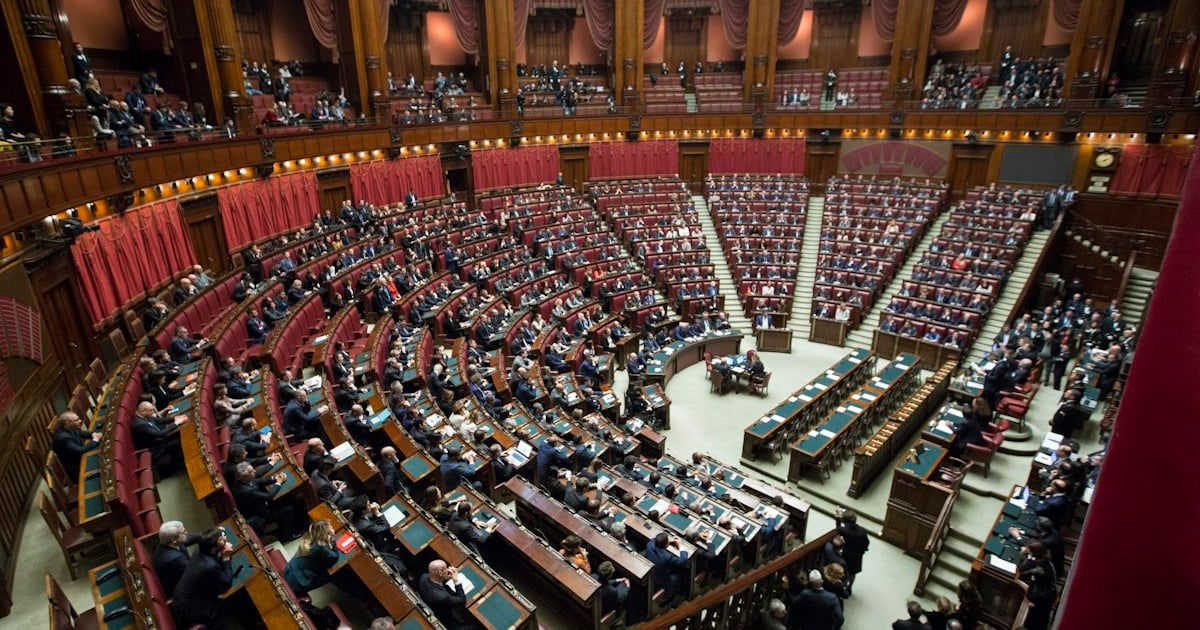
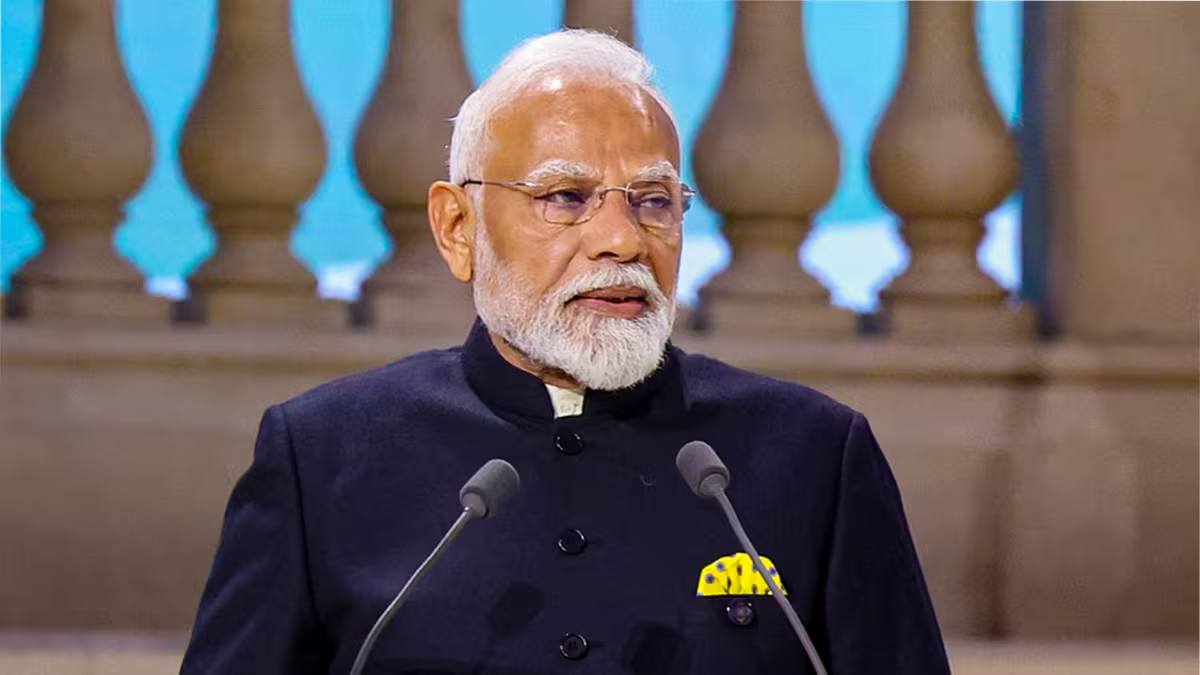
The political landscape in India has once again heated up following Congress chief Mallikarjun Kharge's controversial 'baap' remark directed at Prime Minister Narendra Modi. This latest verbal duel has drawn fierce condemnation from the ruling Bharatiya Janata Party (BJP), with leaders comparing the opposition rhetoric to legendary epics. For investors and market watchers, such intensifying political rhetoric often serves as an early indicator of shifting legislative momentum, potentially impacting policy execution, structural economic reforms, and overall market sentiment across domestic equities.
Political friction between the ruling BJP and the principal opposition Congress party is hardly a novel phenomenon in Indian democracy. However, the escalation of personal attacks and sharp verbal exchanges has grown increasingly pronounced as national and regional political alignments continuously evolve. Mallikarjun Kharge, serving as the President of the Indian National Congress, has frequently found himself at the center of political firestorms due to his vociferous critiques of Prime Minister Narendra Modi's governance model and leadership style.
Historically, aggressive political rhetoric tends to intensify during heightened electoral cycles and legislative sessions. The latest controversy stems from a specific comment characterized as the 'baap' jibe, prompting swift and severe pushback from senior BJP functionaries. Prominent ruling party leaders have strongly rebuked the remarks, drawing historical parallels to epic characters like Duryodhana to underscore what they perceive as entrenched negativity from the opposition camp. Understanding this ongoing war of words is crucial for institutional investors and wealth managers who closely monitor political stability as a primary variable in India's sovereign risk matrix.
While the immediate manifestation of this dispute is strictly political, macroeconomic stability and foreign institutional investor (FII) sentiment are intrinsically linked to political predictability and legislative continuity. Although no direct fiscal allocations, regulatory amendments, or corporate earnings reports have been altered by this specific exchange, market participants continually price in political risk premiums. Sustained political friction can occasionally lead to parliamentary deadlocks, potentially delaying crucial economic legislation, infrastructure spending approvals, and structural tax reforms that are vital for sustaining India's targeted GDP growth trajectory.
Market analysts note that domestic equity benchmarks, including the NSE Nifty 50 and BSE Sensex, typically absorb short-term political noise with minimal long-term disruption, provided the broader macroeconomic fundamentals—such as robust tax collections, resilient corporate balance sheets, and strong domestic retail inflows—remain uncompromised. Nevertheless, corporate boardrooms and institutional wealth managers keep a vigilant eye on political developments to gauge policy continuity and administrative resolve ahead of upcoming state and national electoral milestones.
Intense political polarization creates distinct psychological waves across various sectors of the Indian economy. Capital markets are inherently sensitive to governance stability. Sectors heavily reliant on government policy execution, public capital expenditure, defense contracts, and infrastructure development—such as capital goods, PSU banks, utilities, and construction—are particularly attuned to shifts in the political narrative. When opposition leaders target the sitting prime minister aggressively, the ruling establishment typically responds by doubling down on its developmental agenda, aiming to project policy execution as the ultimate counter-argument.
Competitor reactions and media narratives amplify these dynamics, turning political discourse into widespread public sentiment. While retail investors on platforms like GrowMudra are advised to maintain a long-term, disciplined asset allocation strategy rooted in fundamental analysis rather than short-term political headlines, recognizing the broader socioeconomic backdrop helps contextualize periodic intraday market volatility and sector-specific rotation trends.
As India marches toward future electoral milestones and critical legislative sessions, market participants must separate political posturing from actual economic policy changes. Key catalysts to watch include upcoming state election schedules, parliamentary budgetary allocations, and announcements regarding fiscal deficit targets. While verbal volleys like the latest 'baap' jibe dominate news cycles, the ultimate trajectory of Indian financial markets will continue to be dictated by corporate earnings growth, inflation metrics, Reserve Bank of India (RBI) monetary policy decisions, and global liquidity flows.
Source Attribution: Originally reported by ndtv-top (https://www.ndtv.com/india-news/baap-jibe-latest-in-m-kharges-controversial-comments-on-pm-modi-from-terrorist-to-snake-to-hang-himself-12234106).
Disclaimer: The financial, market, and corporate developments published above are reported for informational and educational purposes only. GrowMudra does not provide investment advice or stock recommendations. Readers are strongly advised to consult a SEBI-registered financial advisor before making investment decisions.
















0 Comment