
11 Nov , 2026 By : Shambhavi Mishra

? Quick Take: M.K. Muneer has urged citizens to reject hate speech regardless of its source, highlighting a growing pushback against authoritarian trends. For investors and markets, social cohesion remains a quiet yet vital pillar for sustained economic momentum.
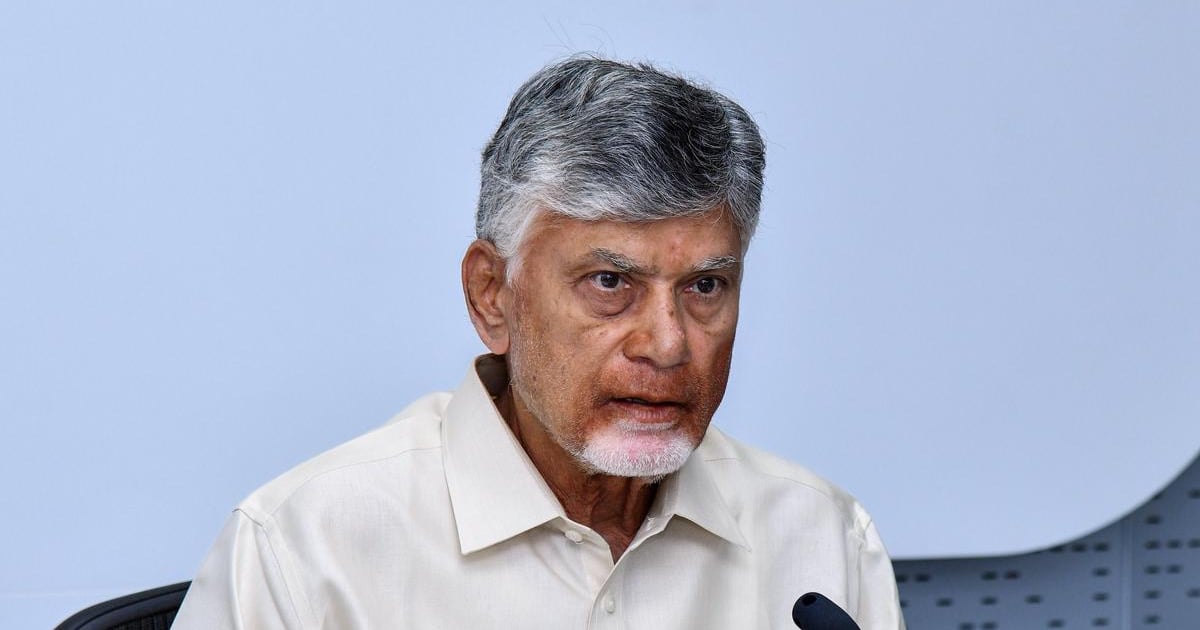
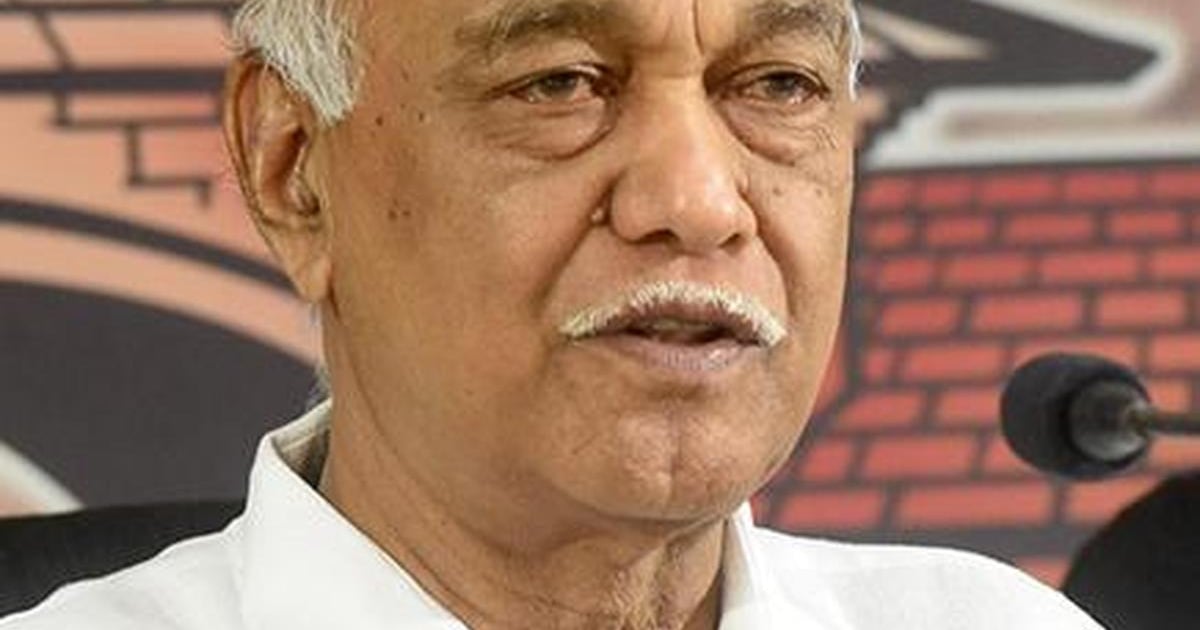
Wall Street and Dalal Street love certainty above all else. When social friction spikes and polarizing rhetoric dominates headlines, capital allocators turn cautious. Weighing in on this exact dynamic, Kerala Administrative Reforms Commission Chairperson M.K. Muneer recently drew a hard line against sectarian rhetoric, reminding the public that democratic resilience ultimately depends on rejecting division.
Markets do not operate in a vacuum. Long-term capital expenditure requires predictable policy environments and stable social fabrics. When leaders push aggressive, polarizing narratives, consumer confidence often takes a silent hit. Muneer's sharp critique of hate speech underscores a broader anxiety about how rising intolerance threatens institutional stability.
For domestic investors, social unrest translates directly to operational friction. Supply chains stall, local consumption dips, and foreign institutional investors pause deployment when regional volatility rises. Stability is the unpriced asset underpinning every balance sheet.
Muneer's observation that authoritarian leaders are facing mounting setbacks resonates far beyond local state politics. Across emerging markets, heavy-handed governance models are increasingly clashing with digital-native populations demanding transparency. Investors are watching these shifts closely.
History shows that centralized control often breeds systemic fragility. When leaders prioritize ideological enforcement over economic reform, growth metrics inevitably wobble. Markets prefer decentralized adaptability over rigid autocracy every single time.
Source Attribution: Originally reported by hindu-national (https://www.thehindu.com/news/national/kerala/authoritarian-leaders-facing-setbacks-says-mk-muneer/article71678645.ece).
Disclaimer: The financial, market, and corporate developments published above are reported for informational and educational purposes only. GrowMudra does not provide investment advice or stock recommendations. Readers are strongly advised to consult a SEBI-registered financial advisor before making investment decisions.





























0 Comment