
12 Nov , 2026 By : Shambhavi Mishra
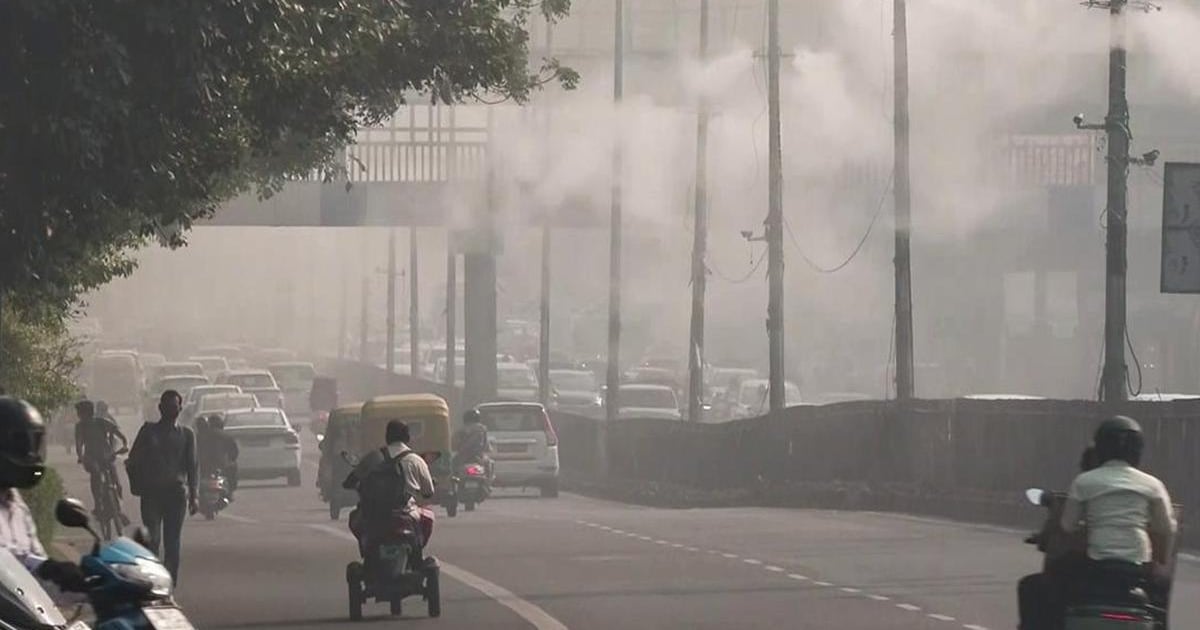
? Quick Take: Delhi's air quality has deteriorated sharply to near-severe levels on Diwali eve following heavy firecracker use. The toxic smog threatens public health and risks immediate disruptions to local commerce and outdoor productivity across the National Capital Region.
The national capital found itself choked under a blanket of dense, toxic haze on Diwali eve as the Air Quality Index (AQI) dangerously flirted with the 'severe' threshold. Early festivities and lingering stubble burning collided to create a punishing cocktail of pollutants, sharply reducing visibility and raising immediate alarm bells for residents and policymakers alike. For urban markets and businesses operating in North India, environmental emergencies of this scale translate quickly into lower footfalls, constrained outdoor logistics, and mounting healthcare overheads.
Meteorological conditions have once again conspired against the city, locking in particulate matter right as celebratory firecrackers light up the night sky. Low wind speeds and dropping temperatures trap pollutants close to the ground, preventing the safe dispersion of toxic gases. Year after year, the financial capital region struggles with this identical structural vulnerability, hitting productivity and driving up defensive consumer spending on air purifiers and medical care.
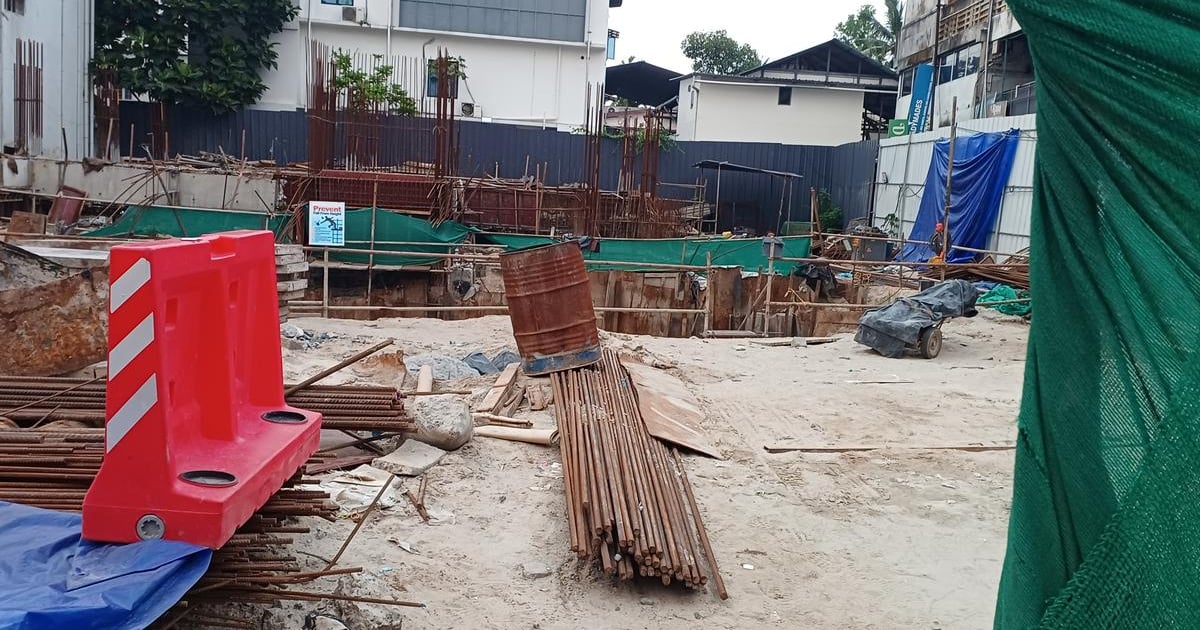
Severe air quality restrictions are not just an ecological crisis; they are a heavy drag on local economic engines. Construction activity faces immediate halts under emergency Graded Response Action Plan (GRAP) mandates, freezing capital deployment across numerous real estate sites. Retail markets also absorb a direct hit as consumers retreat indoors, altering spending patterns away from high-street shopping toward essential defensive goods.
Source Attribution: Originally reported by gnews-politics (https://news.google.com/rss/articles/CBMi3wFBVV95cUxPMUg1dlNRak1reFRIZVRsbW56aGZITWZNX2ljYi05LW9kU2hLdUNPemtUbXFST0xIWjA2LUJiU3lySndWZFk1WDdrbWcyWFI1YkJNQVhUUDRoRmhvRkhJWXRTUWEzWkpvMHJ0M25mN254MWg0RFc1dFRuR0xGTU9XZXpuOV83eGwybWc5azhub1NvSHNmYmpyQ0FmTnZxNWdDc20wU3BWQnhMUGtsbXUzVVFPaTJSNGdLRzFaNzA2ZmVKTUJ5UXp3QlJZaGQtNXRveWlQay1tUTUwZnlJUjBz0gHkAUFVX3lxTE9EVE5LTklqOW1pNmRyMC1SUmwtYzV2WUJwcFp5X04tb1hEWUpCU3JkeURkdWNJVm42Y3l6WlBwVXE2Y1hNbkNDNmpSUlBxckVyQU5nWVc5UmpqWlJIM2ZuRGNVcHFkZWItamlhbVZ2SUx0MmxFTlNvNmZ3UjVEcFZXSXF6UVE3bEpLTVdLWXlVcFNrLTV6QnE5eXY5ejJCajByX00wTjRUdXd2YjNjY0kyQWFoMG5uRm5LVEkwcVdTanNOOGRLVGk5Vm1waVFIUnBOV21xdllXRWJqM0F5YnlIcUtkSg?oc=5).
Disclaimer: The financial, market, and corporate developments published above are reported for informational and educational purposes only. GrowMudra does not provide investment advice or stock recommendations. Readers are strongly advised to consult a SEBI-registered financial advisor before making investment decisions.












0 Comment