
09 Nov , 2026 By : Shambhavi Mishra
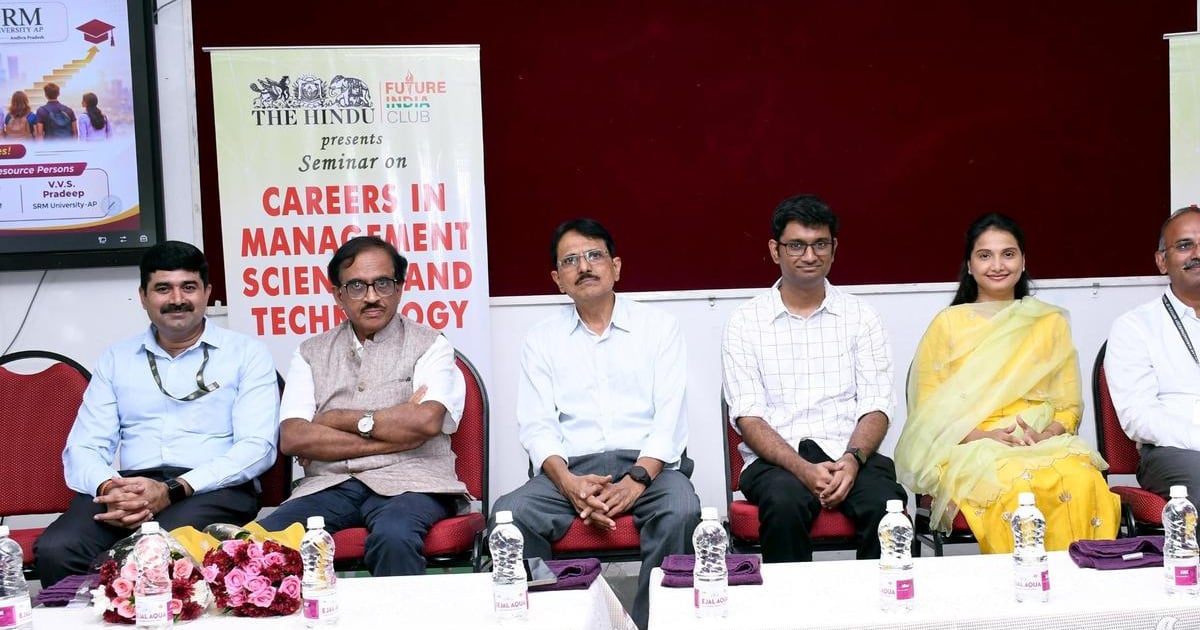
? Quick Take: Experts at a recent career seminar urged students to break free from traditional career molds and embrace continuous upskilling. For retail investors and families, this shift signals an urgent need to fund skill-based education over mere degree accumulation.
For decades, Indian middle-class households operated on a simple script: secure an engineering degree, land a desk job, and chase stability. That playbook is quietly breaking down. At a recent career seminar organized by The Hindu FIC, industry speakers laid bare an uncomfortable truth: the modern job market punishes conformity and rewards adaptability.
Walk into any tier-2 or tier-3 city in India, and you will find thousands of graduates holding identical credentials competing for a shrinking pool of entry-level desk jobs. This hyper-concentration in a few conventional fields creates severe labor market distortions. Supply vastly outstrips demand, suppressing starting wages and driving up underemployment.
Investors often overlook how workforce readiness impacts consumer spending and household balance sheets. When young graduates spend years chasing credentials that yield low returns, family capital gets locked into unproductive assets. The recent discussions underscore a structural shift away from paper qualifications toward demonstrated capabilities.
Automation and artificial intelligence are rewriting job descriptions faster than universities can update their syllabi. Skills that secure a job today risk obsolescence within five years. Industry leaders at the seminar emphasized that students must take direct ownership of their career arcs rather than relying on institutional training.
For the broader economy, this means human capital development requires continuous reinvestment. Companies no longer want workers who know how to follow a manual; they want problem-solvers who can navigate ambiguous, fast-changing commercial environments. The economic moat belongs to individuals who treat learning as a lifelong subscription rather than a one-time college degree.
Source Attribution: Originally reported by hindu-national (https://www.thehindu.com/news/cities/Vijayawada/students-urged-to-explore-opportunities-beyond-conventional-career-paths/article71674665.ece).
Disclaimer: The financial, market, and corporate developments published above are reported for informational and educational purposes only. GrowMudra does not provide investment advice or stock recommendations. Readers are strongly advised to consult a SEBI-registered financial advisor before making investment decisions.

















0 Comment