
10 Nov , 2026 By : Shambhavi Mishra
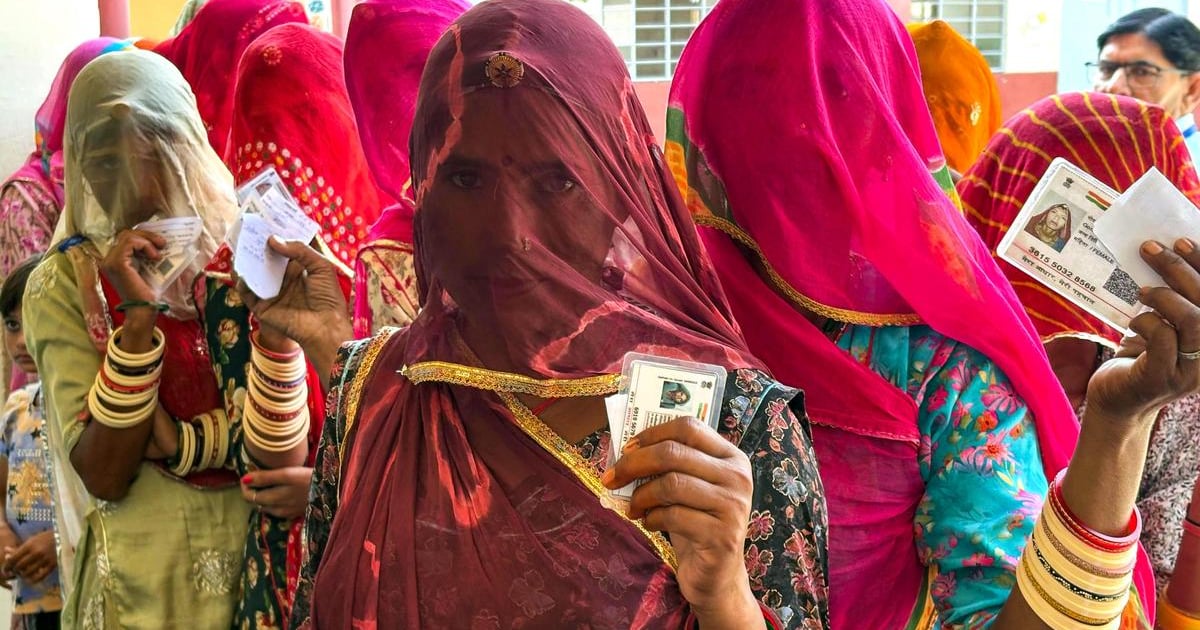
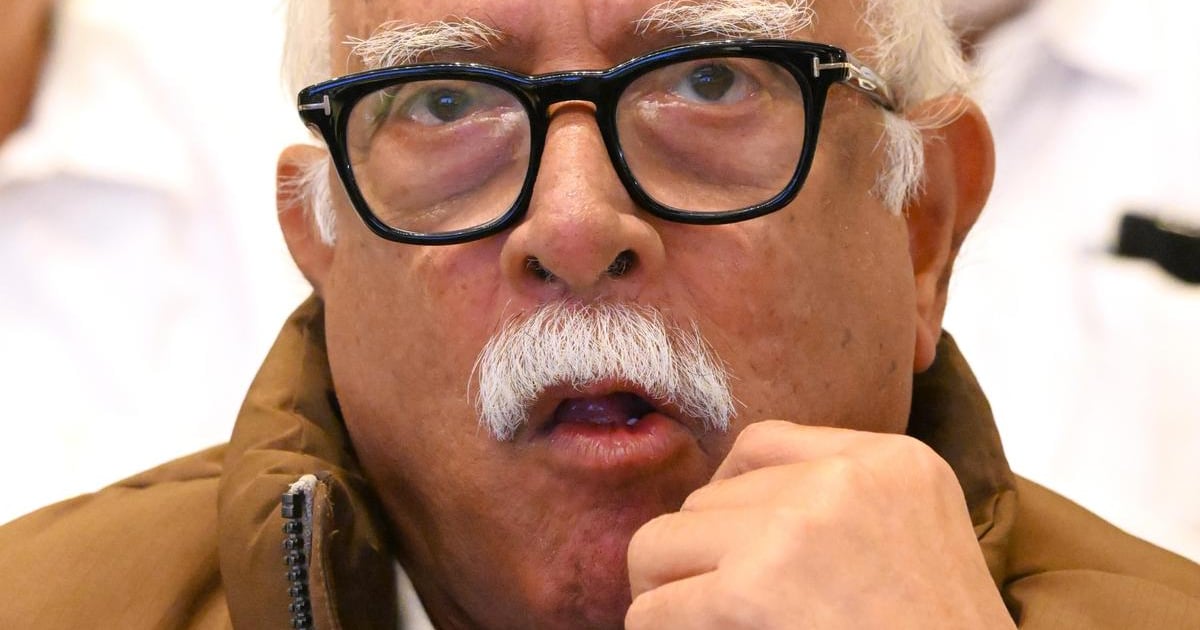
? Quick Take: Rajiv Ranjan Singh’s proposal to mandate Voter IDs for welfare access introduces massive administrative hurdles for India's vulnerable populations. For markets, tightening state-support eligibility directly influences consumption baselines across rural sectors.
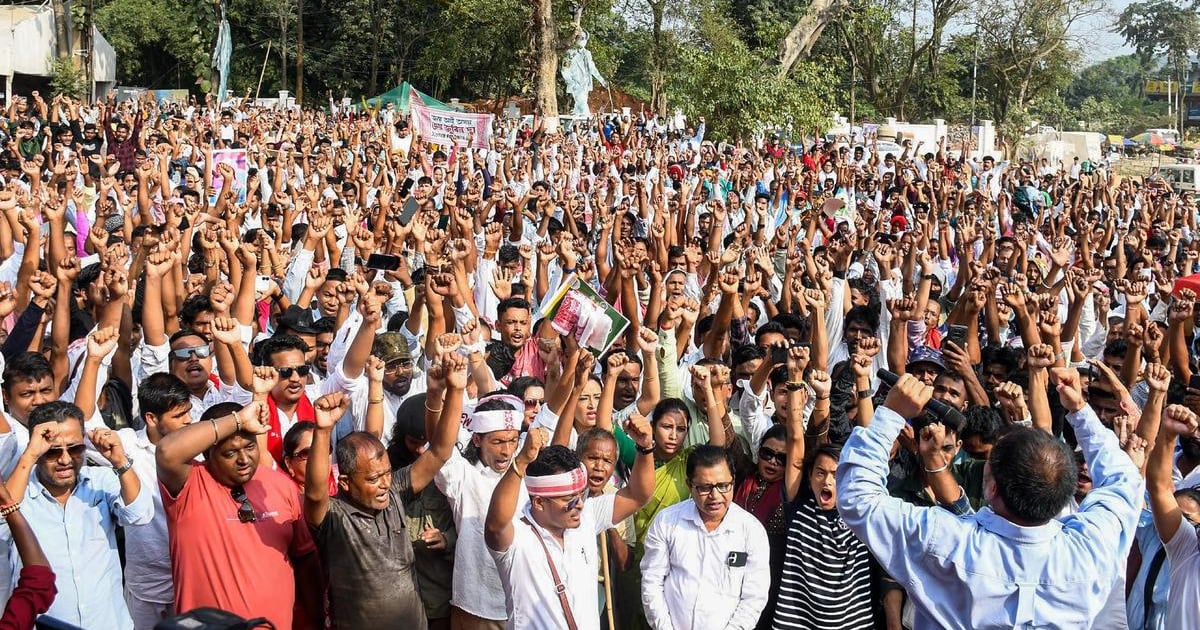
When administrative policy shifts intersect with social safety nets, the ripples hit consumption patterns long before they register in official fiscal data. The latest proposal by Rajiv Ranjan Singh to tie welfare benefits strictly to Voter IDs has ignited a fierce political storm. Beyond the immediate legislative sparring, the underlying economic friction demands serious attention from anyone tracking rural demand, consumer staples, and domestic consumption cycles.
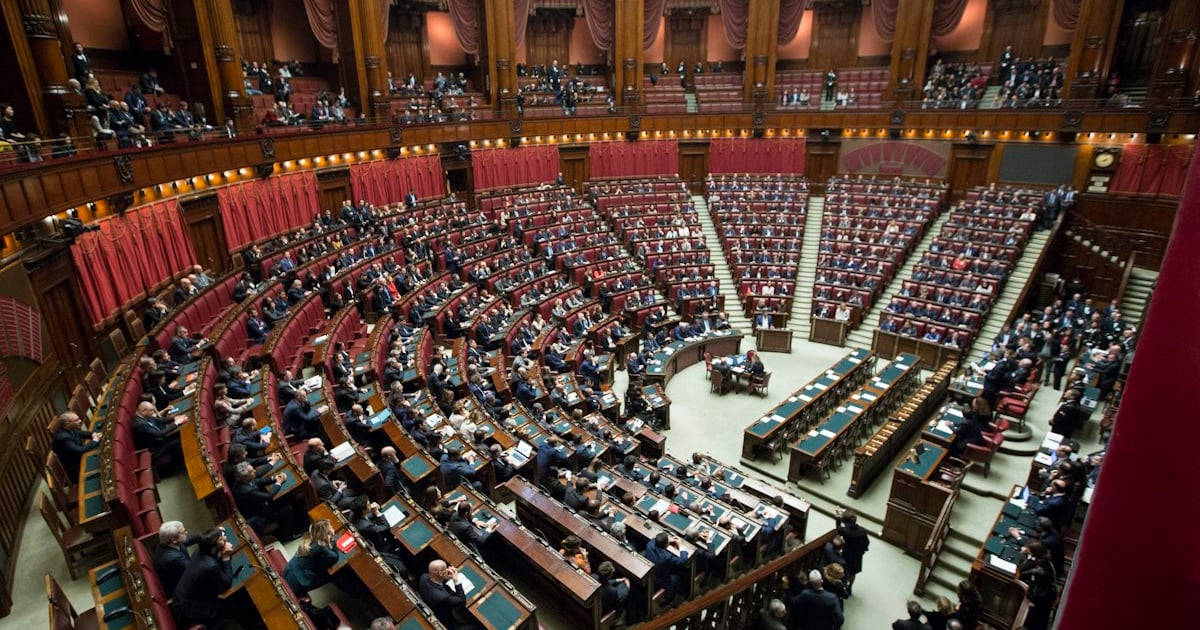
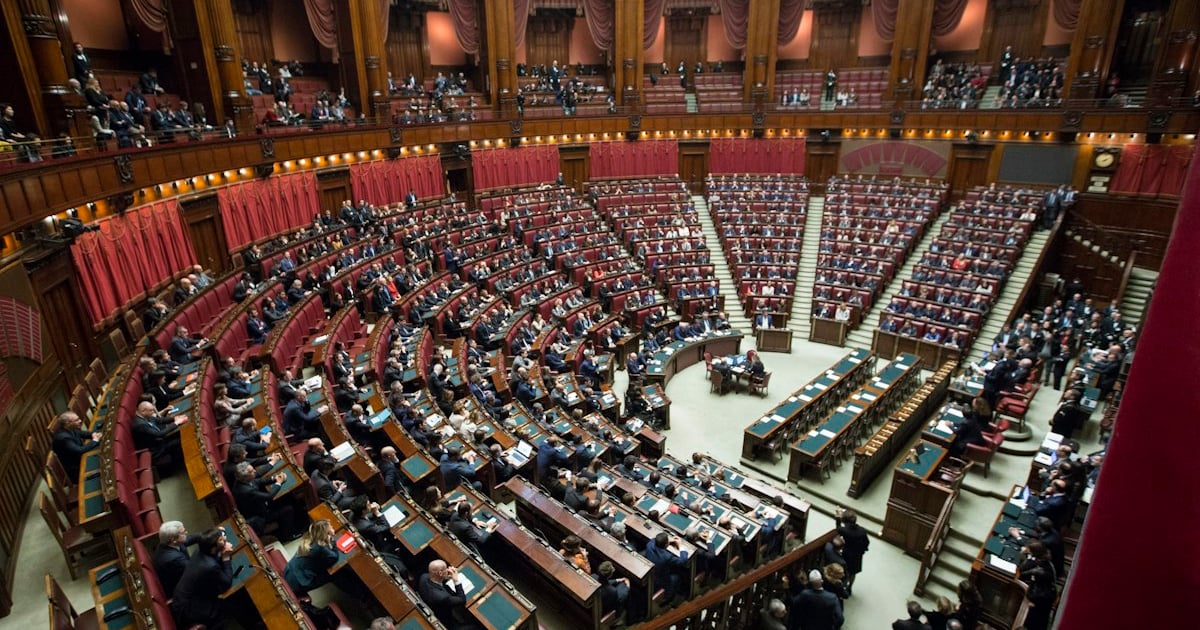
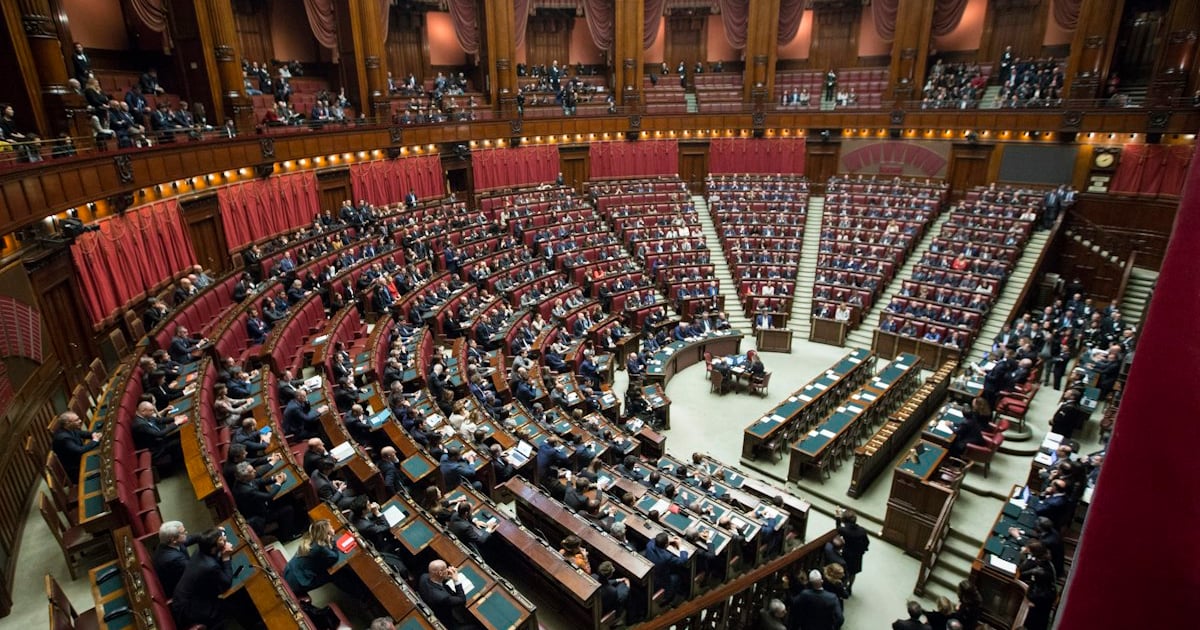
Opposition factions have swiftly connected this proposal to the recent Special Intensive Revision (SIR) of electoral rolls. Reports indicate that a staggering 13.5 crore electors found themselves removed during this exercise.
If identification papers required for voting become mandatory for state-backed entitlements, administrative omissions transform instantly into economic exclusion. The stakes stretch far beyond ballot boxes. Families relying on state subsidies face a high-stakes verification test.
India’s welfare architecture depends heavily on seamless identification layers, traditionally anchored by Aadhaar. Introducing Voter ID mandates creates a secondary compliance wall for marginalized households.
Discrepancies in address changes, clerical errors during roll revisions, and missing documentation suddenly become barriers to basic sustenance. For consumer-facing businesses, any disruption in direct benefit transfers or localized welfare spending translates directly into softer volume growth in lower-tier markets.
Consumption growth in India relies heavily on the purchasing power of rural and semi-urban households. State-backed welfare programs act as crucial income stabilizers during uneven agricultural cycles.
When eligibility criteria tighten through rigorous documentary filters, disbursement velocity can slow down significantly. Market analysts watching fast-moving consumer goods (FMCG) and entry-level two-wheeler segments cannot afford to ignore these administrative bottlenecks.
Source Attribution: Originally reported by hindu-national (https://www.thehindu.com/news/national/voter-id-for-welfare-what-rajiv-ranjan-singhs-proposal-could-mean/article71677492.ece).
Disclaimer: The financial, market, and corporate developments published above are reported for informational and educational purposes only. GrowMudra does not provide investment advice or stock recommendations. Readers are strongly advised to consult a SEBI-registered financial advisor before making investment decisions.

















0 Comment