
27 Nov , 2026 By : Shambhavi Mishra
? Quick Take: Telangana is eyeing a major overhaul for app-based labor with heavy insurance pledges. For retail investors, this signals rising operational costs for consumer tech platforms that rely on hyper-local delivery models.
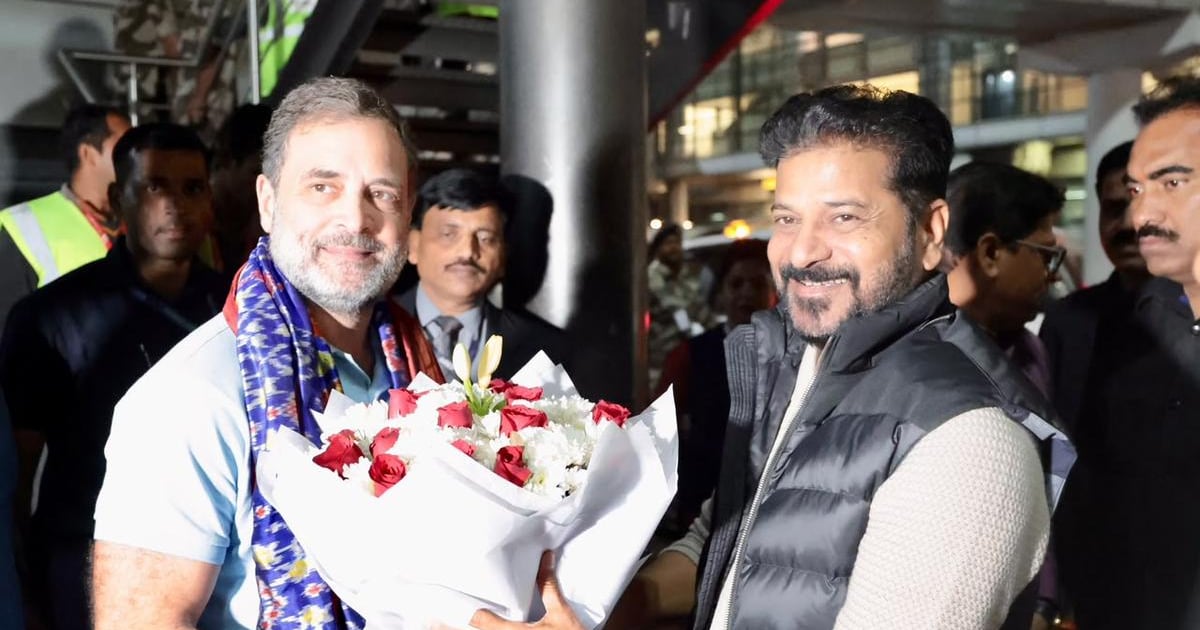
The informal workforce driving India's quick commerce and ride-hailing boom just found itself at the center of a fresh political and economic tug-of-war. During a campaign stop in Telangana, Rahul Gandhi rolled out a sweeping welfare blueprint targeting app-based workers. The pitch promises a safety net that tech aggregators have historically resisted funding out of their own margins.
The proposed welfare architecture relies on two distinct financial pillars. Every gig worker in the state would automatically qualify for ?5 lakh in accident insurance alongside a substantial ?10 lakh health insurance cover. For workers who routinely brave dense traffic and unpredictable weather without standard corporate safety nets, these figures represent a massive shift in baseline security.
Yet, the real mechanics lie in how this is funded. The model introduces a 1 percent transaction levy on every delivery and cab ride. That small fee forms the corpus for long-term social security and future worker benefits.
Investors tracking food delivery, e-commerce, and mobility giants need to watch the funding mechanism closely. If a 1 percent transaction fee becomes mandatory on gross billings, platform unit economics will feel the pinch. Aggregators operating on razor-thin EBITDA margins cannot easily absorb these friction costs without passing them down.
Either the end consumer pays higher delivery fees, or the platform watches its path to profitability lengthen. This tension turns state-level welfare announcements into direct variables for public market valuations.
Source Attribution: Originally reported by hindu-national (https://www.thehindu.com/news/national/telangana/rahul-gandhi-promises-social-security-insurance-cover-for-gig-workers-in-telangana/article71701082.ece).
Disclaimer: The financial, market, and corporate developments published above are reported for informational and educational purposes only. GrowMudra does not provide investment advice or stock recommendations. Readers are strongly advised to consult a SEBI-registered financial advisor before making investment decisions.


































0 Comment