
09 Mar , 2021 By : kanchan Joshi
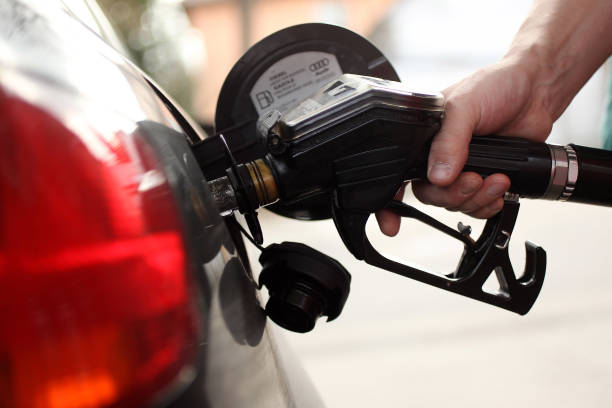
As fuel prices have surged in the recent past, so has the talk around bringing petrol and diesel under the ambit of goods and services tax (GST).
Finance minister Nirmala Sitharaman recently told the Press Trust of India: “Whenever the GST Council decides to take up this issue, they are well within their interest to take it up and discuss. It's a call that the Council has to take."
The general impression among people seems to be that bringing petrol and diesel under GST will bring down their retail price. But is that possible? The central government currently earns an excise duty of Rs. 32.90 per litre of petrol sold and Rs. 31.80 per litre of diesel sold, respectively. The state governments charge a value-added tax or a sales tax on every litre of petrol and diesel sold, as well. The rate varies across states. Take a look at the chart below. It plots the total amount of revenue collected by central and state governments by taxing petroleum products over the years.
What the chart tells us is that both the central government and state governments earn a lot of money by taxing petroleum products, a bulk of which comes from taxing petrol and diesel. In 2019-20, governments had earned around Rs. 4.24 trillion by taxing petroleum products. In fact, in the nine months to 31 December, governments have collected around Rs. 3.72 trillion. At this rate, the total taxes collected from petroleum products will easily cross Rs. 4.5 trillion in the year to 31 March. If the GST Council decides to bring petrol and diesel under the ambit of GST, it will have to ensure that governments continue to earn the kind of money through petroleum taxes that they have been in the past.

























0 Comment