
30 Oct , 2026 By : Shambhavi Mishra
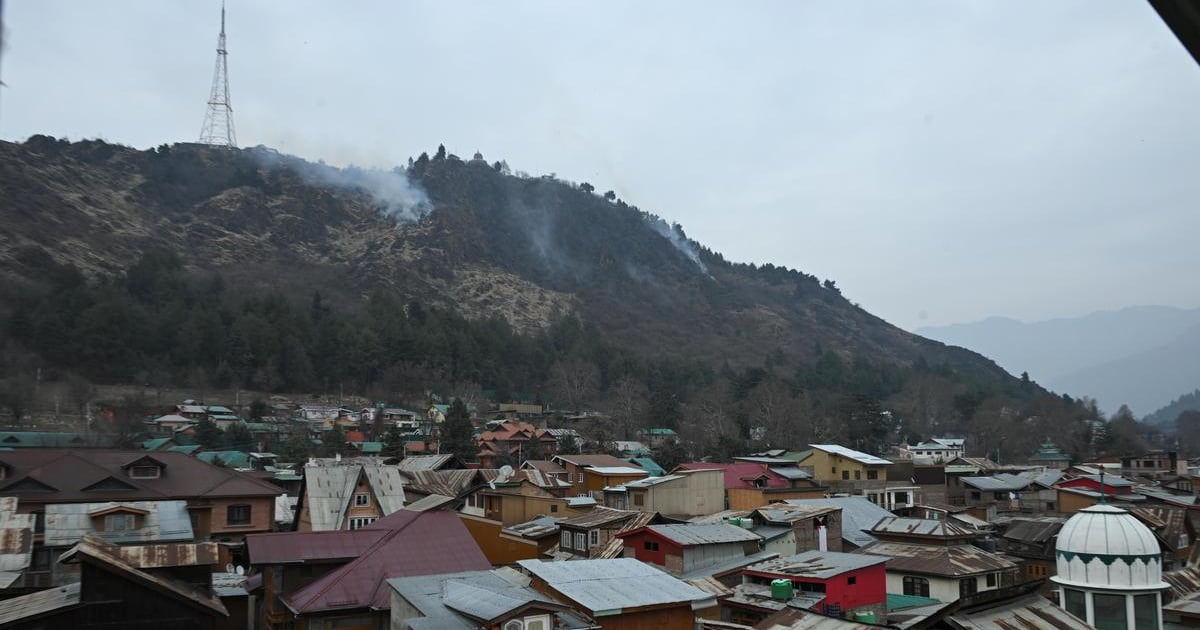
Recent developments in Srinagar have sparked fresh community concerns as Kashmiri Pandit organizations flag the sudden emergence of a graveyard along the pilgrimage and transit route leading to the revered Shankaracharya Hill. This administrative and cultural flashpoint unfolds against the backdrop of recently sanctioned government funding, drawing intense scrutiny from community stakeholders, local residents, and regional observers monitoring socioeconomic and cultural stability in Jammu and Kashmir.
The Shankaracharya Hill, historically known as Takht-e-Sulaiman, holds profound spiritual, cultural, and strategic significance in Srinagar, Kashmir. Overlooking the scenic Dal Lake, the ancient temple atop the hill attracts thousands of pilgrims, tourists, and spiritual seekers annually, making the surrounding transit corridors vital zones of cultural heritage and municipal management. Ensuring the preservation and orderly development of these routes has long been a priority for local communities who view the landscape as an integral part of their heritage.
In recent months, regional dynamics have increasingly intersected with administrative decisions regarding land use, religious infrastructure, and heritage preservation. The physical transformation of spaces along arterial roads often carries deep symbolic weight in the Union Territory. Consequently, any sudden structural or demographic alterations along prominent pilgrimage paths are closely scrutinized by displaced and resident communities alike, who demand transparency and adherence to regional master plans from local municipal and civil authorities.
The administrative actions driving this controversy came to light following specific budgetary allocations by the Jammu and Kashmir administration. According to official records, the Roads and Buildings (R&B) department issued a formal order on September 12 of this year, approving a financial outlay of ?44.37 lakhs specifically designated for the "improvement of Astan Aliya Syed Usman Sahib on the way to Shankaracharya road."
While infrastructure and site improvement funds of this scale are routinely allocated for public utility, religious upkeep, and civic enhancements, the utilization of these funds has triggered intense debate. Community representatives argue that the scope of work executed on the ground has far exceeded standard cosmetic or structural improvements, leading to the rapid and unexpected establishment of burial grounds along a sensitive tourist and pilgrimage corridor. Financial analysts and local governance watchdogs point out that municipal transparency and clear public disclosure regarding the exact deliverables tied to such capital expenditures are essential to prevent friction among diverse communities.
While primarily a socio-political and cultural issue, administrative friction of this nature invariably sends ripples through regional economic sentiments, particularly in sectors dependent on stability and tourism. Jammu and Kashmir’s economy relies heavily on uninterrupted pilgrim footfall, hospitality revenues, and investor confidence in urban real estate and commercial projects. Any perceived civil unrest or communal unease threatens to dent tourist sentiment, casting a shadow over local businesses, hoteliers, and retail traders operating in Srinagar.
Furthermore, corporate entities and institutional investors evaluating long-term infrastructure projects in the region monitor regulatory consistency and social harmony closely. Predictable governance, transparent municipal approvals, and proactive stakeholder engagement are vital prerequisites for attracting private capital and fostering sustainable economic growth across the Union Territory. When administrative missteps or opaque project executions occur, they create headwinds that can temporarily stall broader developmental momentum and investor trust.
Moving forward, the primary focus will rest on how the J&K administration and the R&B department address the grievances raised by Kashmiri Pandit organizations and local civil society groups. Key milestones to watch include potential administrative clarifications, formal reviews of the sanctioned ?44.37 lakh project, and any prospective guidelines issued to safeguard traditional pilgrimage routes from unauthorized or contentious land conversions.
Additionally, observers will track municipal responses regarding land-use regulations and heritage protection frameworks in Srinagar. Ensuring robust dialogue between administrative bodies and all community representatives will be crucial in maintaining communal harmony, reassuring investors, and preserving the delicate socioeconomic fabric necessary for the region's long-term prosperity.
Source Attribution: Originally reported by hindu-national (https://www.thehindu.com/news/national/jammu-and-kashmir/kashmiri-pandits-flag-graveyard-en-route-to-shankaracharyahill-says-cropped-up-suddenly/article71624129.ece).
Disclaimer: The financial, market, and corporate developments published above are reported for informational and educational purposes only. GrowMudra does not provide investment advice or stock recommendations. Readers are strongly advised to consult a SEBI-registered financial advisor before making investment decisions.

































0 Comment