
23 Dec , 2021 By : Kanchan Joshi
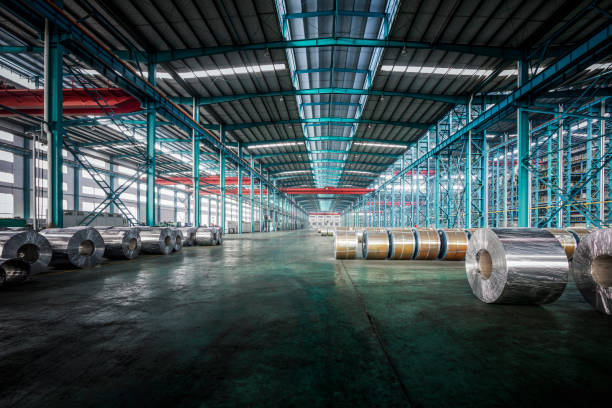
Indian steel manufacturers benefited from high price realizations for most of 2021. But the December quarter has witnessed pressure on realizations. A combination of factors, including weak domestic demand, falling international steel prices and the rising threat from the Omicron coronavirus variant have weighed on domestic steel prices.
Indian HRC, or hot rolled coil, prices have fallen by Rs7,200 per tonne from the near-term peak in October 2021, said analysts from Nomura Financial Advisory and Securities (India) in a report on 20 December. The brokerage points out that steel prices are still at a premium to import prices from China. This means domestic prices can correct further.
Unsurprisingly, shares of Indian steel companies, Tata Steel Ltd, JSW Steel Ltd, Jindal Steel and Power Ltd (JSPL) and Steel Authority of India Ltd (SAIL) have corrected from their peaks during the year. Shares of these four companies have declined in the range of about 15-27% from their respective 52-week highs.
Muted demand conditions and falling realizations in China, the largest consumer of the commodity, continue to pose a threat to Indian steel prices.
For Indian manufacturers, subdued export demand is another key near-term concern, which can pose a risk to domestic steel prices. Nomura’s analysts point out India’s finished steel exports fell to a nine-month low. While exhaustion of imports quotas of Europe (for India) is leading to lower exports, demand from Vietnam, the leading importer of Indian HRC, too, has been declining, said analysts.
But all is not lost. With realizations expected to remain relatively soft, the drop in prices of key raw materials offers respite. International iron ore prices have almost halved from their May highs and coking coal prices, too, are on a declining trend.
This may cushion margins of steel manufacturers. Note that even as profits per tonne may decline after having peaked in the September quarter, they are expected to remain strong.
“Steel prices have come off from the peaks but at the same time, iron ore and coal prices have corrected. Thereby, margins are expected to remain more or less stable with a marginal fall expected," said Naveen Kulkarni, chief investment officer, Axis Securities Ltd. According to Kulkarni, China’s steel demand growth from the construction industry largely peaked in the first half of 2021.
“Further, the strong demand scenario due to covid-led stimulus in April 2020 may not recur in 2022," he added.
Even so, ongoing projects and new public infrastructure projects will continue to support China’s steel demand over 2022-2025. The special purpose bond issuance for infrastructure development in 2022 remains a key monitorable. Here, any accelerated spending would pose an upside risk to steel demand and prices.
To be sure, a stable China demand outlook augurs well for Indian manufacturers, and domestic demand can be expected to rebound.
Moody’s Investor Services in its 2022 outlook said, “India’s steel consumption will rise by high-single-digit percentages through 2022, with strong demand from infrastructure and construction, but weaker auto demand amid semiconductor shortage."
Against this backdrop, Tata Steel with backward integration for meeting a large part of its raw material requirements and ongoing expansions is well-placed, led by its disciplined capex approach.
Meanwhile, capacity expansions and softening raw material prices should accrue benefits for JSW Steel. On the other hand, lower debt reduces the overhang for JSPL and SAIL; and completed expansions support their volume growth.


















0 Comment