
07 Mar , 2021 By : Rajiv Dutta
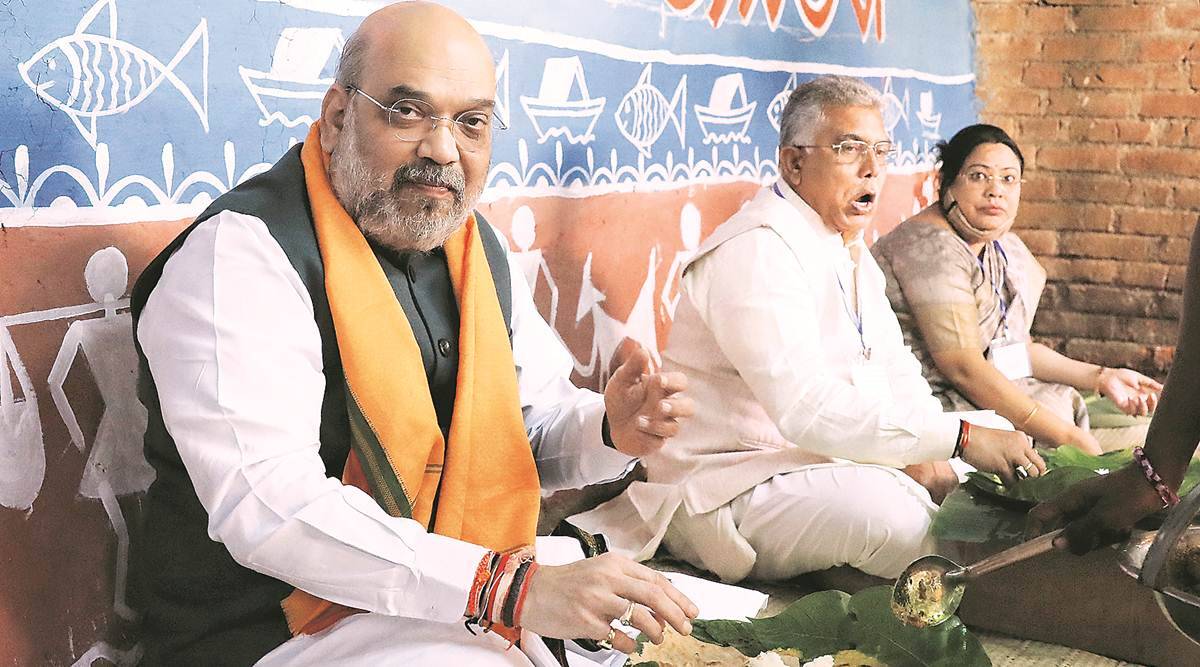
Having retained power and emerged as the more dominant NDA partner in Bihar, the BJP is eying the biggest prize in the east, one that has eluded it so far: the state of West Bengal, which will see crucial assembly elections now.
West Bengal shares a border with Bihar and the BJP is hoping that the momentum it has gained by winning the Bihar assembly election will help its chances in West Bengal.
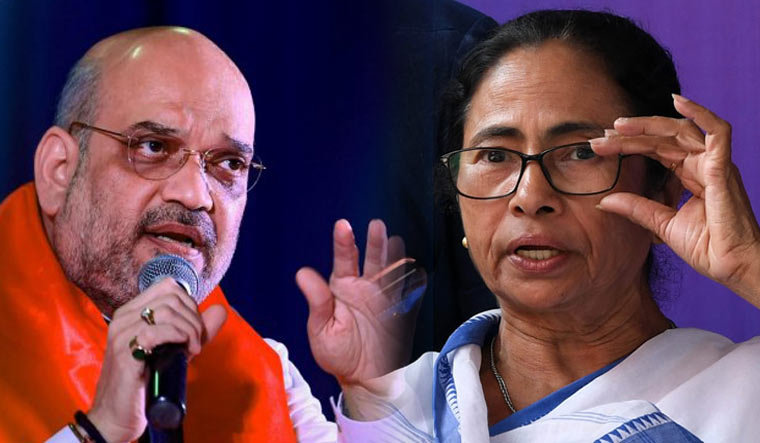
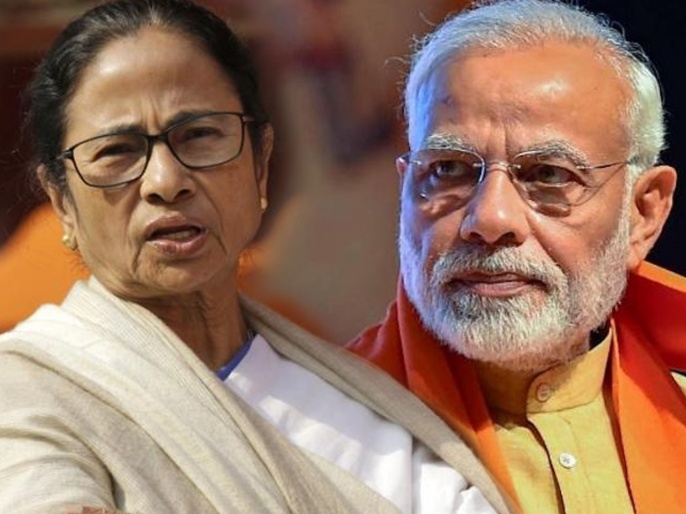
The party is leaving little to chance though, and an unprecedented effort is underway, spearheaded by Union Home Minister Amit Shah, to breach Chief Minister Mamata Banerjee’s Bengal fortress.
Except for a few states in the south and east, the BJP has been in power in every part of the country at some stage or the other in the last three decades. Having ended the 2020 electoral cycle on a positive note, the BJP now controls most of the Hindi-speaking belt with the exception of Rajasthan.
But for the party to expand further, the eastern states of Odisha and West Bengal are the key. And the stakes are highest in Bengal, which sends 42 MPs to the Lok Sabha. If it wins the state, the BJP will be in a position to offset any possible losses in the Hindi heartland in the 2024 Lok Sabha elections.
But it’s not just a matter of electoral politics; winning the state will be psychologically and historically a very significant chapter in the BJP’s evolution.
West Bengal, which in many ways gave birth to Hindu nationalism in the 19th century, remained unmoved by the repeated saffron waves that have swept the country since 1990 and culminated in the two spectacular victories of the Modi-led BJP at the Centre, in 2014 and 2019.
But that has begun to change and last year’s Lok Sabha election illustrated the dramatic inroads made by the BJP in the state -- the party’s vote share increased from 17 per cent in 2014 to 40.3 per cent in 2019, and it won 18 seats compared to the two it had bagged in 2014.
The BJP believes that ten years after the Mamata-led TMC ended Left rule, the time is ripe for a saffron takeover of the state.
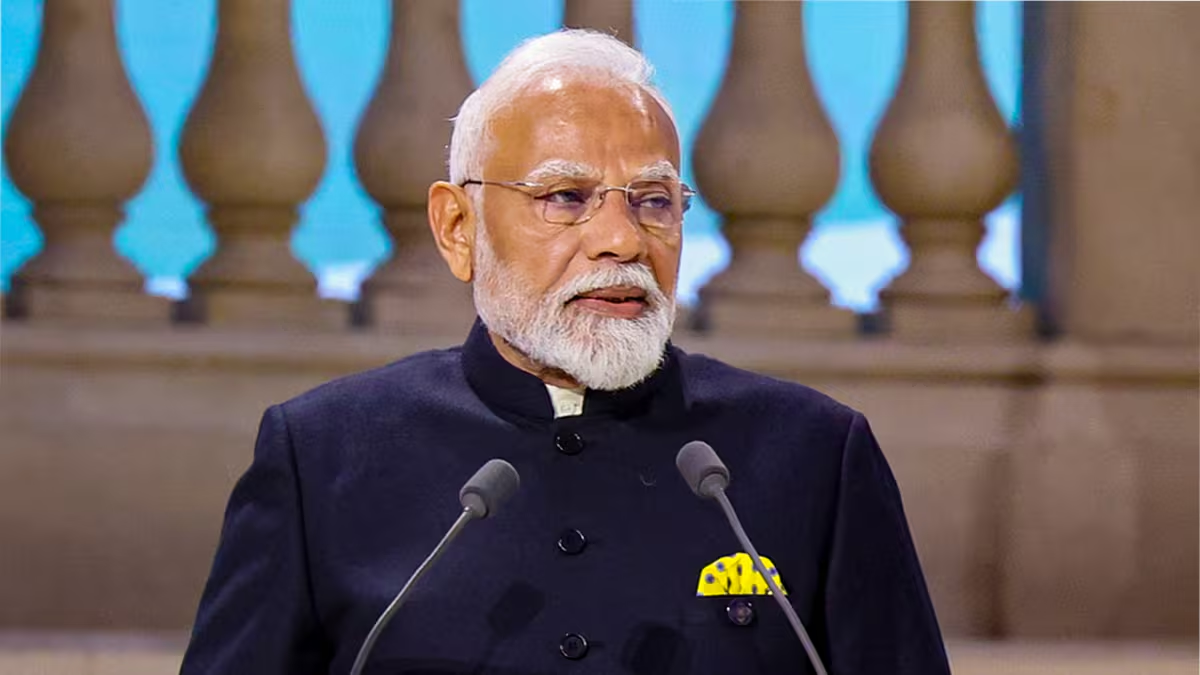
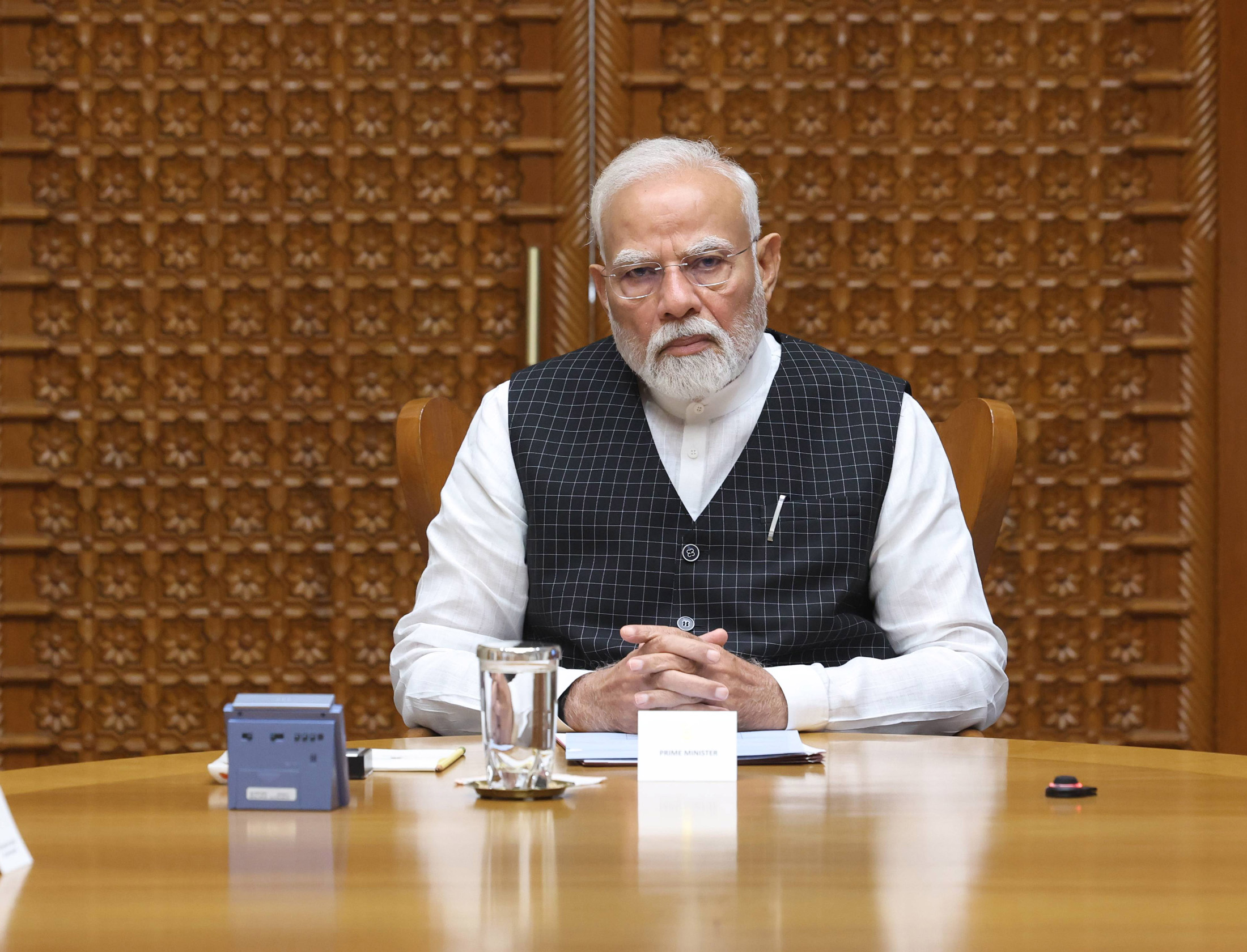
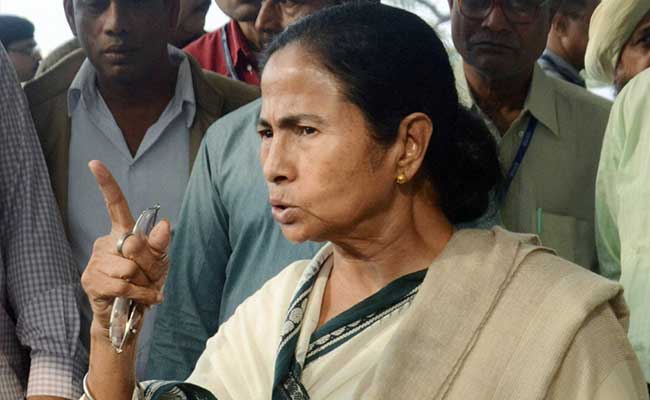
Over the past few months many credible faces has turned the table and joined the Saffron wave, few challenging the Chief Minister Mamata Banerjee, who is still the tallest leader in West Bengal. With Suvendu challenging Mamata directly on a face to face battle in Nandigram constituency, the heat is only going to rise more. It is almost a given that the BJP will use its trump card, Narendra Modi, as an agent of change in the state. Unlike Bihar, where the BJP was part of the ruling alliance, the party has never been in power in West Bengal and will appeal to voters to give it a chance to fast-track the state on a path of development and growth. PM Modi will be the mascot of this message.
But the BJP is not going to rely on issues of development and growth alone; law and order along with cultural nationalism and illegal migration are likely to be key planks on which the saffron party will target the Mamata Banerjee administration.
In his Bihar victory speech, PM Modi flagged the issue of alleged lawlessness and the killing of BJP workers in the state. The controversial Citizenship Amendment Act and the presence of illegal Bangladeshis in West Bengal are also going to be a part of the BJP’s campaign.
State BJP president Dilip Ghosh said the situation in West Bengal was worse than Kashmir and the state had become a hub of “terrorists and anti-nationals”. Expect to hear more of the same.















0 Comment