
08 Nov , 2026 By : Shambhavi Mishra
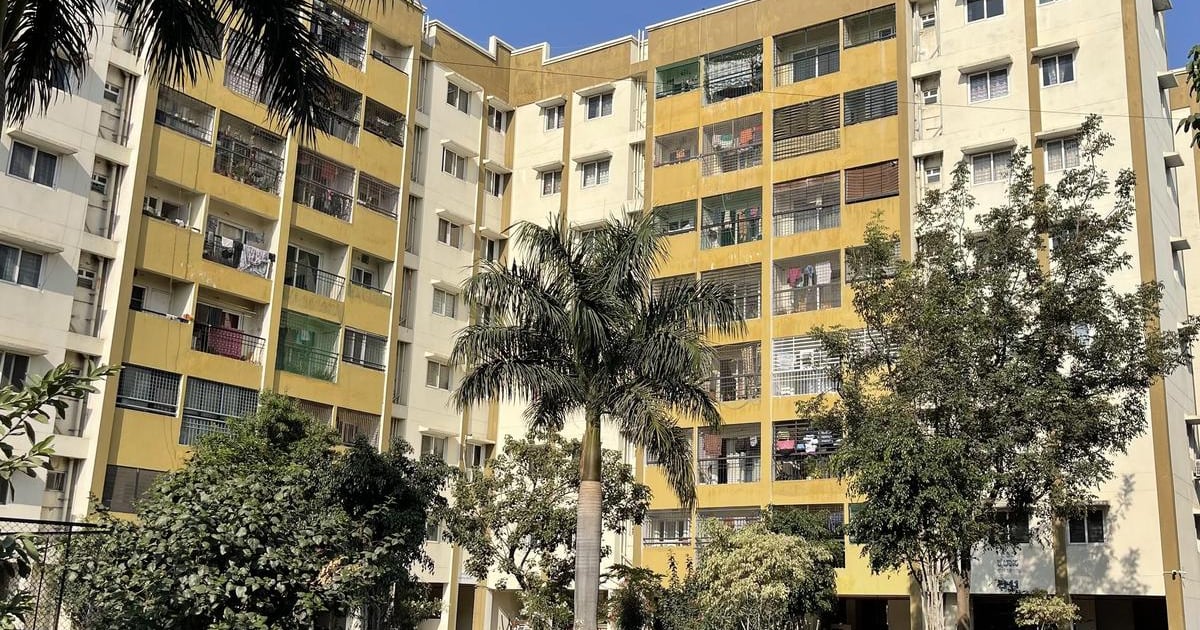
? Quick Take: Karnataka has proposed increasing the high-rise height ceiling from 21 metres to 24 metres. For urban developers and urban home buyers, this unlocks higher floor-space efficiency and reshapes city skylines.
Urban growth in Karnataka is getting vertical breathing room. The state government has formally proposed raising the height ceiling for high-rise buildings from 21 metres to 24 metres, marking the second such revision attempt in just over a year. For real estate developers grappling with land scarcity and soaring acquisition costs in prime urban pockets, this regulatory tweak changes the economics of construction.
Land is arguably the most expensive raw material on any developer's balance sheet. Allowing buildings to stretch up to 24 metres gives architects and urban planners crucial extra headroom to squeeze more usable floor space out of constrained urban parcels.
This push is not happening in a vacuum. As cities like Bengaluru expand outward into unwieldy sprawling suburbs, infill development and vertical growth remain the only pragmatic answers to mounting traffic and infrastructure strains.
For mid-sized and large developers, height restrictions dictate project margins. Moving the threshold from 21 metres to 24 metres typically translates into an extra habitable floor or two per project.
Higher floor counts directly improve project economics, allowing developers to spread fixed land costs across a larger saleable carpet area. Margins improve, and project viability on smaller urban plots suddenly looks a lot healthier.
Policy announcements rarely translate into immediate ground reality without friction. Fire safety norms, civic water supply limits, and local municipal approvals will need strict alignment to accommodate taller structures safely.
Urban infrastructure has long struggled to keep pace with real estate ambitions. How municipal corporations handle clearances will determine whether this policy accelerates construction or gets bogged down in bureaucratic delays.
Source Attribution: Originally reported by hindu-national (https://www.thehindu.com/news/national/karnataka/karnataka-proposes-raising-high-rise-height-limit-from-21-metres-to-24-metres/article71675072.ece).
Disclaimer: The financial, market, and corporate developments published above are reported for informational and educational purposes only. GrowMudra does not provide investment advice or stock recommendations. Readers are strongly advised to consult a SEBI-registered financial advisor before making investment decisions.


































0 Comment