
18 Nov , 2026 By : Shambhavi Mishra
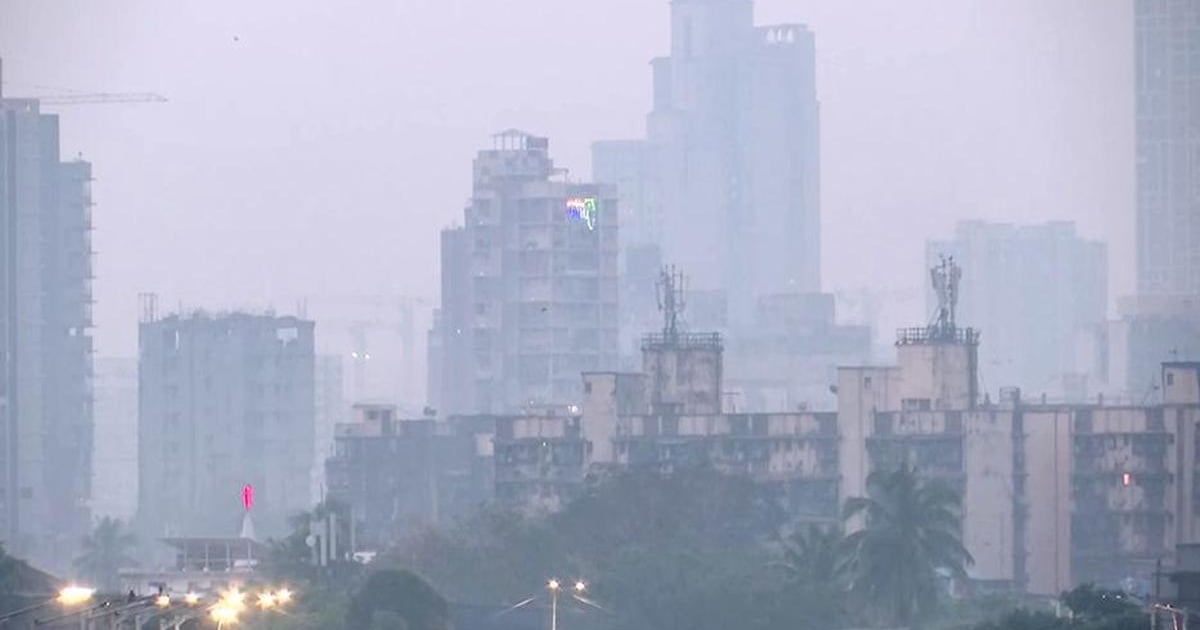
? Quick Take: Mumbai saw its Air Quality Index worsen significantly to 278 over Diwali celebrations. For urban planners and residents, this sharp seasonal spike highlights persistent structural challenges in managing metropolitan air sheds.
When festive celebrations meet shifting weather patterns, the immediate casualty is often urban air. Mumbai woke up to a stark reality this festival season as its Air Quality Index deteriorated from a moderate 131 to a concerning 278 within a compressed timeframe. For policymakers and residents alike, the rapid degradation underlines just how fragile urban airsheds remain during peak emission cycles.
Atmospheric physics rarely offers immediate relief during high-emission events. According to Professor Gufran Baig of the National Institute of Advanced Studies (NIAS), shifting meteorological variables played a direct role in shaping local pollutant concentrations over a critical 48-hour window.
While sea breeze speeds picked up during this period, an accompanying shift in wind direction altered how particulate matter dispersed across the city. Rather than flushing toxins cleanly out of the metropolitan basin, the localized atmospheric dynamics trapped emissions closer to the surface.
An AQI reading of 278 places Mumbai firmly in the poor category, threatening vulnerable populations and triggering health advisories across neighborhoods. Urban economists note that such drastic spikes carry hidden economic tolls, ranging from lost productivity due to respiratory illness surges to increased healthcare outlays.
Cities heavily reliant on coastal wind patterns to naturally scrub their skies find themselves vulnerable whenever wind vectors stall or shift unfavorably. The transition from 131 to 278 demonstrates how quickly natural mitigation factors can be overwhelmed by concentrated local emissions.
Source Attribution: Originally reported by hindu-national (https://www.thehindu.com/news/cities/mumbai/mumbai-aqi-rises-from-131-to-278-on-diwali/article71683687.ece).
Disclaimer: The financial, market, and corporate developments published above are reported for informational and educational purposes only. GrowMudra does not provide investment advice or stock recommendations. Readers are strongly advised to consult a SEBI-registered financial advisor before making investment decisions.

















0 Comment