
20 Sep , 2021 By : monika singh
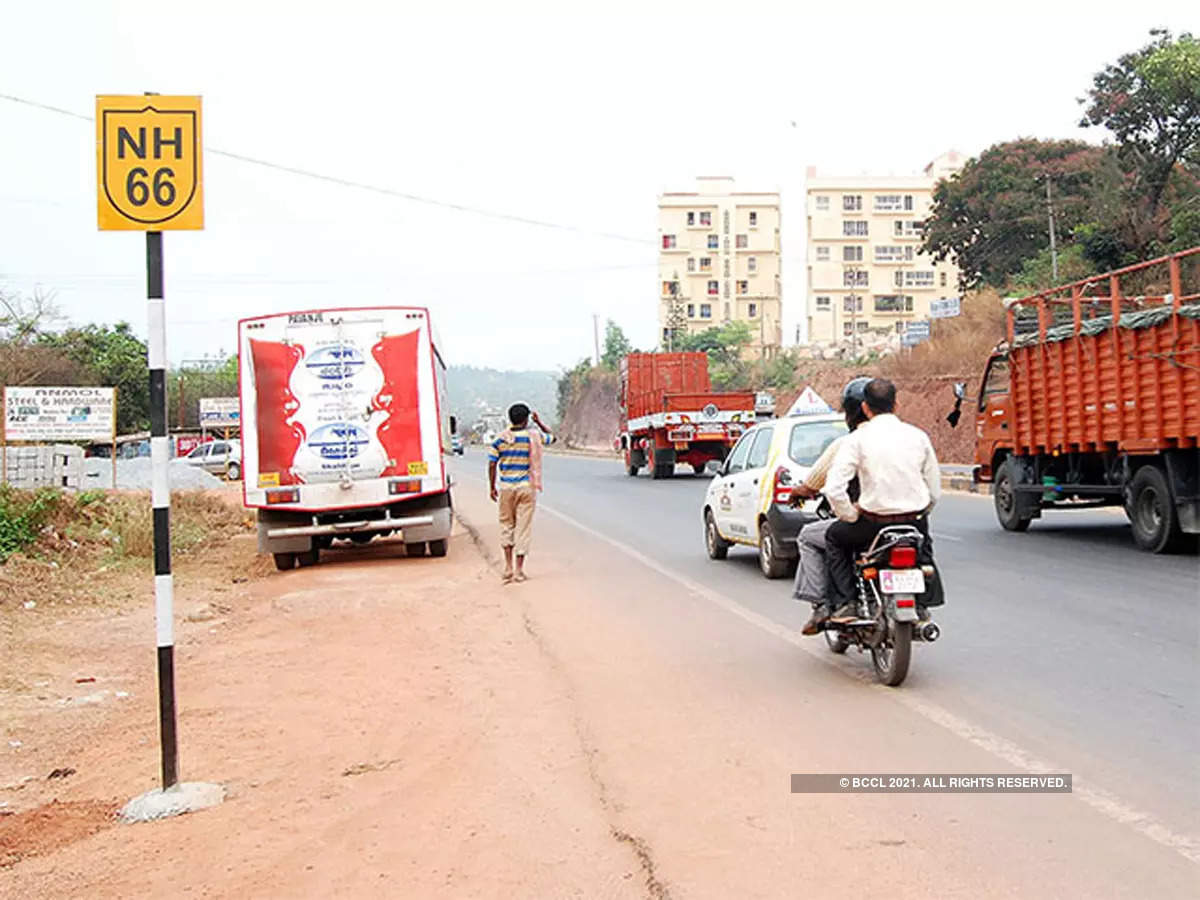
Cities offer agglomeration economies, thereby enabling more economic activities, better education, better healthcare and, overall, a better quality of life. This attracts people to cities in search of jobs and livelihoods.
India’s urban population, which stood at 371 million in 2011 is projected to grow to about 820 million in 2051. This is indeed a major demographic transformation. But urban population growth takes place in two broad ways:
A very interesting study by the Institute of Social Sciences and HUDCO published recently as the State of Cities: India shows that there has been a spurt in “census towns” between 2001 and 2011. While India had only 1362 census towns in 2001, this number shot up to 3894 in 2011. The population residing in these census towns went up from 20.02 million to 54.28 million during the same period. This indicates the rapid of pace at which rural areas have shifted to non-agricultural economic activities and the urgent need to develop new cities at these locations.
Yet another reason for developing new cities is that many of the existing old cities were not designed for the kind of mobility we see today. They were designed for a predominantly walking or cycling pattern of travel and had narrow lanes. The old cities in Delhi ,Ahmedabad, Hyderabad, Bhopal, etc demonstrate this. New cities have become necessary at these locations to accommodate the current travel patterns and the kind of motor vehicles that have become necessary today.































0 Comment