
29 Nov , 2026 By : Shambhavi Mishra
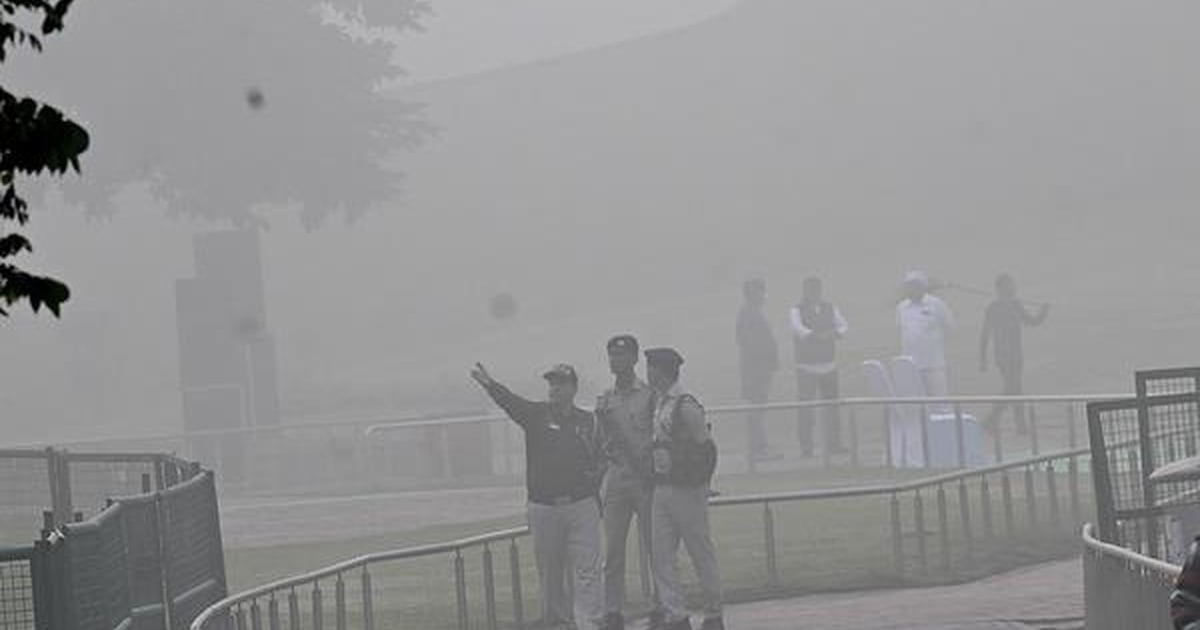
? Quick Take: Delhi’s air quality has collapsed, with IIT Delhi recording a peak AQI of 428. This is not just a health emergency; it is a productivity drain that hits household budgets and national economic output.
The air in Delhi is effectively toxic. IIT Delhi has logged a highest AQI of 428, a figure that places the capital in the 'very poor' to 'severe' danger zone. For the 20 million residents, this is a daily survival issue. For investors and policymakers, it signals a growing fiscal and social cost that is hard to ignore.
The numbers are stark. Out of 54 monitoring stations, 47 recorded 'very poor' air quality. Seven stations were in the 'severe' category. This is not a localized spike. It is a city-wide chokehold. When 87% of monitoring points are in the red, the gridlock is total.
High AQI levels correlate directly with respiratory illnesses. This translates to lost workdays. It means higher hospital visits. It means a less productive workforce. The economic drag is subtle but persistent. It eats into the GDP through reduced efficiency and increased healthcare expenditure. The cost is borne by the taxpayer and the private sector alike.
Source Attribution: Originally reported by hindu-national (https://www.thehindu.com/news/cities/Delhi/air-quality-very-poor-in-city-iit-delhi-records-highest-aqi-of-428/article71704084.ece).
Disclaimer: The financial, market, and corporate developments published above are reported for informational and educational purposes only. GrowMudra does not provide investment advice or stock recommendations. Readers are strongly advised to consult a SEBI-registered financial advisor before making investment decisions.


























0 Comment