
30 Nov , 2026 By : Shambhavi Mishra
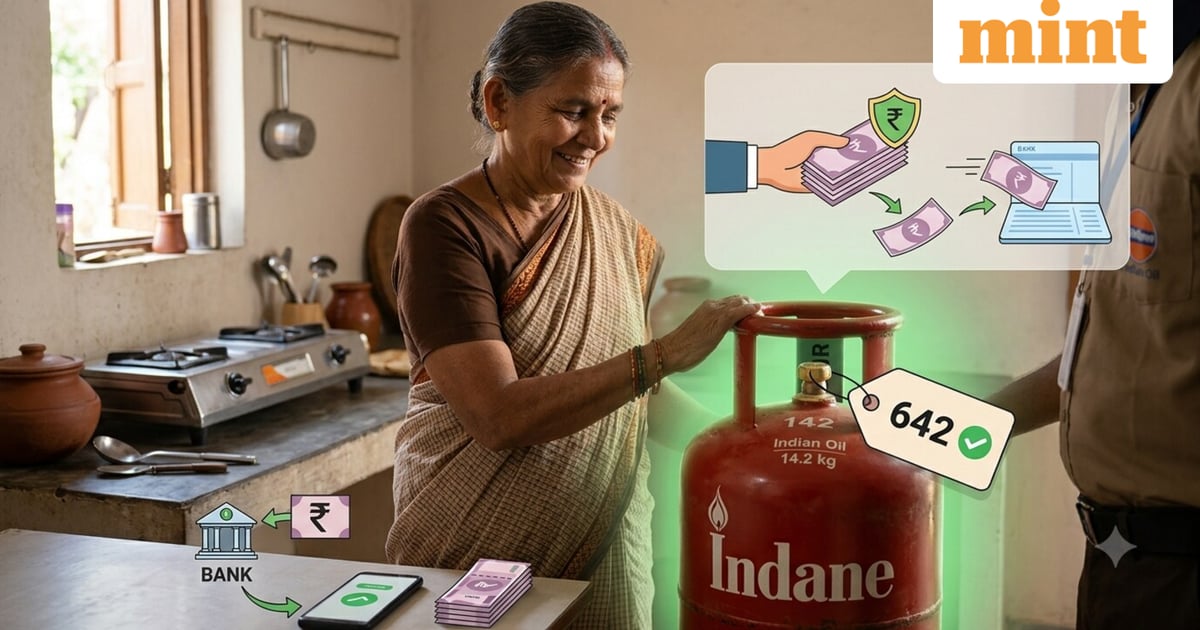
? Quick Take: Eligible Ujjwala beneficiaries in Delhi pay Rs 642 for a 14.2 kg LPG cylinder, masking an actual supply cost of Rs 1,267.24. A complex layer of central subsidies and fiscal support bridges this massive gap.
When an ordinary household looks at cooking gas prices in the capital, the sticker shock is immediate. Yet, for millions of low-income families under the Pradhan Mantri Ujjwala Yojana, the economics look entirely different. Behind the Rs 642 price tag in Delhi lies a heavy fiscal balancing act involving state-backed subsidies, international energy dynamics, and under-recovery management for state oil giants.
Getting a standard cooking gas refill to a doorstep in Delhi is far more expensive than most consumers realize. The actual economic cost to supply that 14.2 kg cylinder stands at a steep Rs 1,267.24, driven by global crude fluctuations, refining margins, and domestic logistics.
For standard non-subsidized buyers, the retail price sits lower at Rs 942, but for Ujjwala beneficiaries, the final out-of-pocket expense drops dramatically to Rs 642. That variance requires direct state intervention to keep domestic kitchens running without choking household budgets.
Bridging the chasm between Rs 1,267.24 and Rs 642 requires a two-pronged fiscal cushion. The central government steps in directly with a direct benefit transfer subsidy of Rs 300 per cylinder.
Beyond this direct cash support, additional backing amounting to Rs 325.24 per cylinder absorbs the remaining shock. This structured layering ensures that vulnerable families are shielded from volatile international energy markets while public sector oil marketing companies manage their revenue streams.
While consumers celebrate targeted relief, the wider balance sheet impacts fall heavily on state-owned fuel retailers like IOC, BPCL, and HPCL. Absorbing under-recoveries when retail prices lag behind actual supply costs creates earnings pressure during high crude cycles.
For market watchers and retail investors holding PSU energy stocks, tracking these fiscal compensation mechanisms is essential. The sustainability of these subsidies depends directly on government fiscal headroom and international Brent crude trends.
Source Attribution: Originally reported by livemint-companies (https://www.livemint.com/companies/lpg-cylinder-price-in-delhi-why-ujjwala-beneficiaries-pay-642-for-a-cylinder-that-costs-1-267-24-to-supply-11794736665823.html).
Disclaimer: The financial, market, and corporate developments published above are reported for informational and educational purposes only. GrowMudra does not provide investment advice or stock recommendations. Readers are strongly advised to consult a SEBI-registered financial advisor before making investment decisions.




































0 Comment