
18 Nov , 2026 By : Shambhavi Mishra
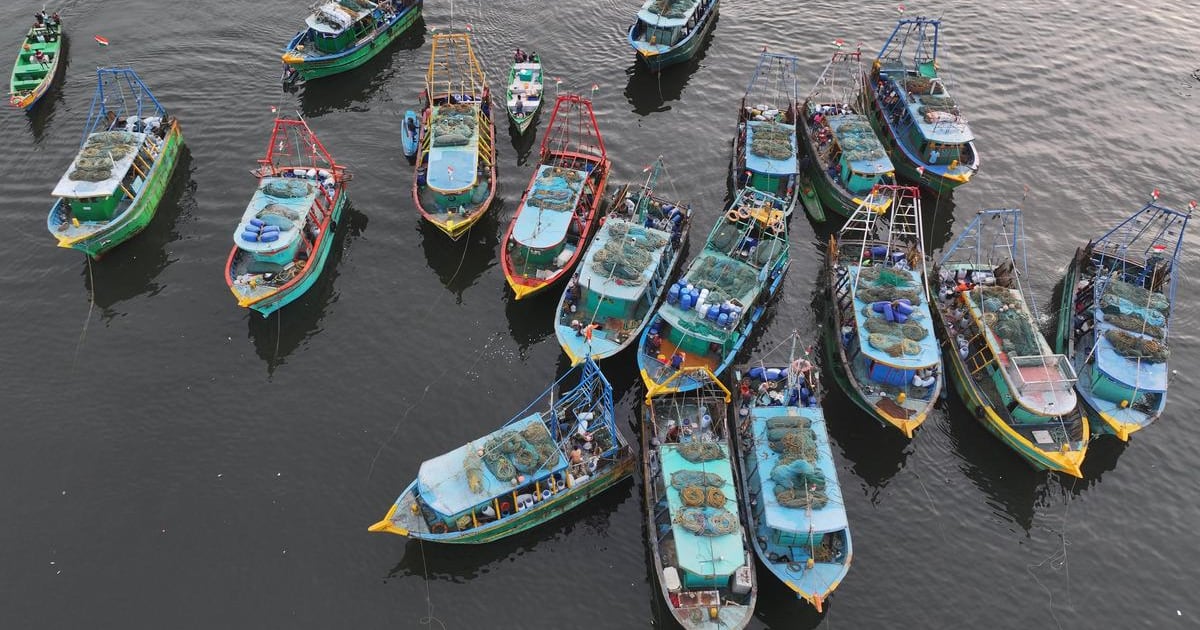
? Quick Take: Fisherfolk leaders in Tamil Nadu argue that the current ?7 lakh compensation is insufficient for families who lost their primary breadwinners to the Murasu cyclone. The push exposes gaps in disaster relief frameworks for informal sector workers.
When extreme weather strikes India’s coastline, the immediate casualty count captures headlines, but the long-term economic collapse of the victim's household rarely makes it to the balance sheet. Following the devastation left by the Murasu cyclone, political and community voices are pushing back against state-backed relief measures. The core grievance points to an inadequate compensation package that fails to account for inflation, lost future earnings, and the extreme vulnerability of coastal households.
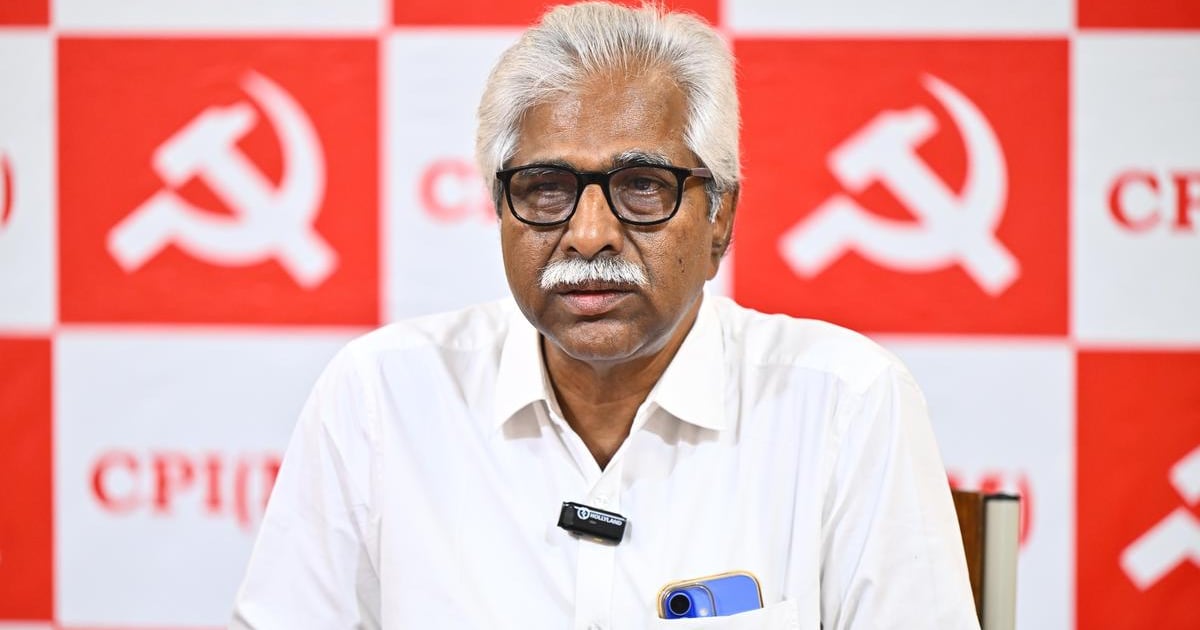
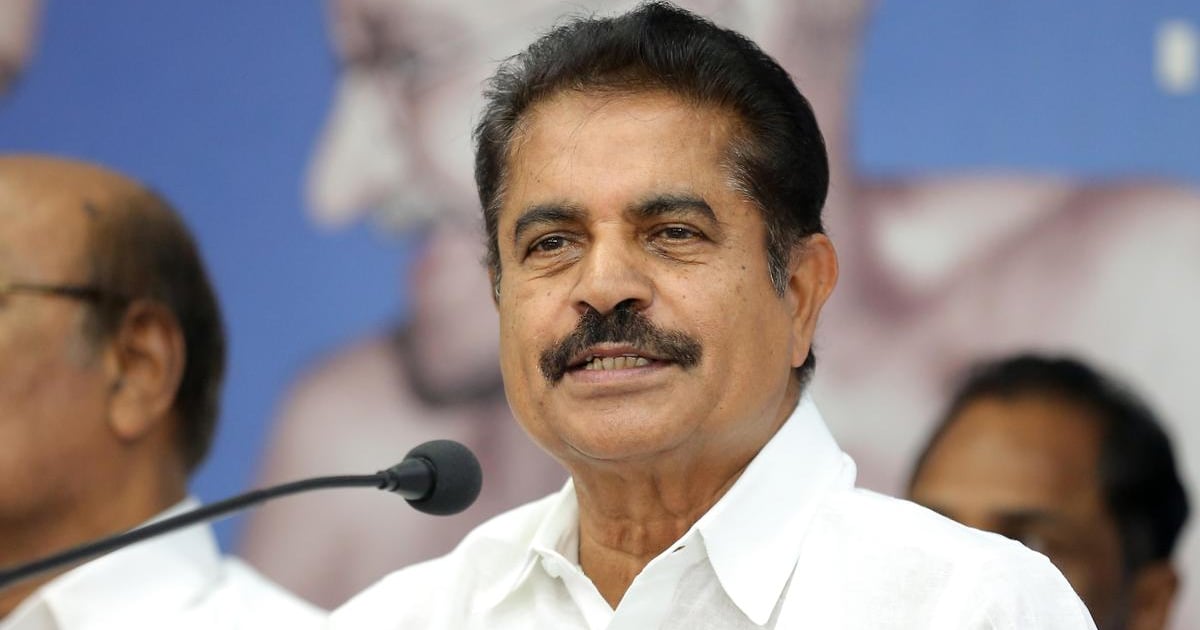
Neithal Makkal Katchi leader K. Bharathi highlighted a glaring disparity this week, stating that the allocated ex-gratia amount of ?7 lakh falls drastically short of what is required to secure the future of grieving families. For a household stripped of its sole breadwinner, this lump sum evaporates quickly under the weight of outstanding debts, daily sustenance, and child-rearing costs. In economic terms, the compensation acts as a temporary bandage rather than a sustainable financial cushion.
Coastal economies run on informal credit, high-risk daily labor, and narrow margins. When a fisherman is lost at sea or killed by storm-related disasters, the dependent family loses both its capital asset—the labor input—and any structured social security net. Commercial insurers rarely cover artisanal marine workers, placing the entire burden of disaster rehabilitation squarely on state coffers.
Disaster response in India has historically focused on immediate evacuation, temporary shelter, and baseline food distribution. Yet, financial resilience post-disaster remains weak. The Murasu cyclone fallout underscores the urgent need to rethink how governments calculate human capital loss in the unorganized sector, particularly for marine fisheries which contribute significantly to coastal state exports and domestic protein supply.
Without parametric insurance models or enhanced state-backed welfare funds tailored for high-risk professions, families will continue to slip deeper into poverty after every major weather anomaly. State administrations face mounting pressure to align ex-gratia payouts with actual living costs and long-term dependency metrics rather than adhering to rigid, outdated tariff sheets.
Source Attribution: Originally reported by hindu-national (https://www.thehindu.com/news/cities/chennai/fisherfolk-seek-higher-compensation-for-men-who-died-in-murasu-cyclone/article71683325.ece).
Disclaimer: The financial, market, and corporate developments published above are reported for informational and educational purposes only. GrowMudra does not provide investment advice or stock recommendations. Readers are strongly advised to consult a SEBI-registered financial advisor before making investment decisions.



















0 Comment