
18 Nov , 2026 By : Shambhavi Mishra
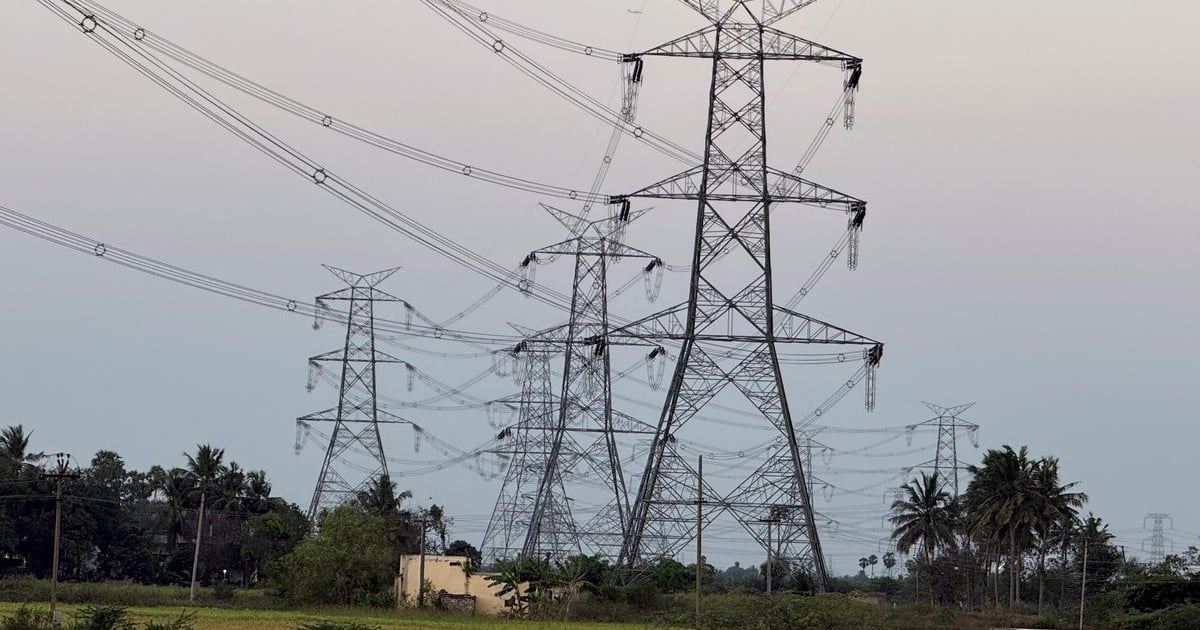
? Quick Take: Tamil Nadu signed costly short-term power purchase agreements to manage an intense demand surge driven by unseasonal heat. State finances will feel the heat, but keeping the grid stable took absolute priority.
When state utilities lock into high-cost electricity procurement, taxpayers and industrial consumers ultimately foot the bill. The Tamil Nadu government has formally defended its recent decision to opt for expensive power purchase agreements, pointing squarely at an unrelenting, prolonged summer-like spell that sent state power demand through the roof. For businesses and households alike, this scramble for electrons signals rising fiscal strains within the state's power ecosystem.
Unseasonal heatwaves do more than just make life uncomfortable; they push power grids to absolute breaking points. Air conditioners run longer, agricultural pumps pull maximum groundwater, and commercial establishments ramp up cooling capacities. Tamil Nadu found itself cornered by a massive spike in consumption that standard long-term contracts simply could not satisfy.
When supply falls short of sudden demand spikes, utilities have few options left. They can either enforce crippling blackouts that hit industrial output, or buy power from the spot and short-term markets at a steep premium. The state administration chose the latter, prioritizing uninterrupted supply over immediate fiscal thrift.
Power trading works much like a commodities exchange during a shortage—sellers name their price, and desperate buyers pay up. Opting for expensive short-term purchase agreements protects the local economy from power cuts, but it punches a fresh hole in the balance sheets of state distribution companies. Discoms already operating under tight fiscal margins absorb these high procurement costs, often widening their cumulative deficits.
These financial adjustments rarely stay confined to utility ledgers. Over time, state governments either bail out bleeding discoms through taxpayer funds or pass the burden down via revised tariff hikes. Industrial consumers, who traditionally subsidize domestic segments, end up paying steep rates that squeeze their operating margins.
Source Attribution: Originally reported by hindu-national (https://www.thehindu.com/news/national/tamil-nadu/why-has-tamil-nadu-gone-for-expensive-power-purchase-agreements-explained/article71579306.ece).
Disclaimer: The financial, market, and corporate developments published above are reported for informational and educational purposes only. GrowMudra does not provide investment advice or stock recommendations. Readers are strongly advised to consult a SEBI-registered financial advisor before making investment decisions.



























0 Comment