
23 Nov , 2026 By : Shambhavi Mishra

? Quick Take: South Korea is formalizing the right of exchanges to halt withdrawals during suspected hacks. For Indian investors, this signals a shift in global crypto custody norms and heightened risk awareness.
South Korean regulators have moved to permit cryptocurrency exchanges to freeze user withdrawals when they suspect active hacking attempts. This regulatory pivot follows a string of security incidents, including a precautionary service suspension by GOPAX and a $70,000 breach at Prabang’s hot wallet. The move prioritizes capital preservation over immediate liquidity, a stark contrast to the frictionless trading culture many users are accustomed to.
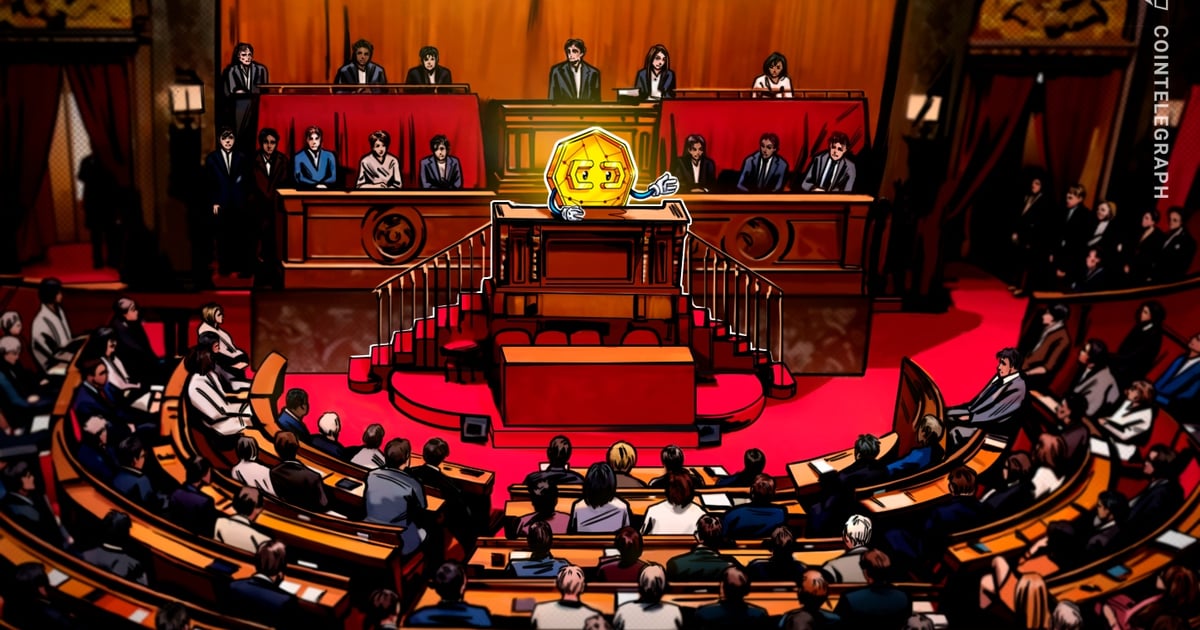
The decision stems from recent vulnerabilities exposed in the local exchange ecosystem. GOPAX suspended services as a precaution, while Prabang suffered a direct loss from a hot-wallet compromise. Regulators now see these events not as isolated accidents but as systemic risks requiring legal backing for protective measures. By allowing withdrawal freezes, they give exchanges a legal shield to act quickly without facing immediate backlash from locked-out users. This is a pragmatic response to the reality that speed matters more than access when funds are under threat. It also aligns with broader global trends where regulators are demanding stricter custody standards from centralized exchanges.
While this is a South Korean policy, it reflects a global shift in how centralized exchanges handle risk. Indian traders should note that similar protections may be adopted elsewhere, potentially affecting withdrawal times during volatility. The key lesson is that 'code is law' is becoming 'license is law.'
Source Attribution: Originally reported by cointelegraph-news (https://cointelegraph.com/news/south-korea-crypto-withdrawal-freezes-suspected-hacks).
Disclaimer: The financial, market, and corporate developments published above are reported for informational and educational purposes only. GrowMudra does not provide investment advice or stock recommendations. Readers are strongly advised to consult a SEBI-registered financial advisor before making investment decisions.




















0 Comment