
30 Oct , 2026 By : Shambhavi Mishra

Tesla has officially marked a monumental milestone in the evolution of automation by commencing production of its highly anticipated Optimus humanoid robot. As Elon Musk shifts the electric vehicle giant deeper into artificial intelligence and robotics, global markets are recalibrating their expectations for industrial labor and technological disruption. This development transitions Tesla from an automotive pioneer into a multifaceted robotics powerhouse, carrying profound implications for institutional portfolios, global manufacturing supply chains, and the future of human capital.
The journey of Tesla's Optimus, also known as the Tesla Bot, began as an ambitious concept first teased during Tesla AI Day in 2021, where a dancer in a robot suit symbolized the company's grand vision for general-purpose humanoid automation. Over the subsequent years, skeptics routinely questioned the feasibility and commercial viability of deploying a bipedal robot capable of complex physical manipulation. However, through rapid iterations of custom actuators, advanced neural networks trained on real-world driving data, and sophisticated spatial mapping, Tesla steadily transformed Optimus from a theatrical prototype into a functional manufacturing asset.
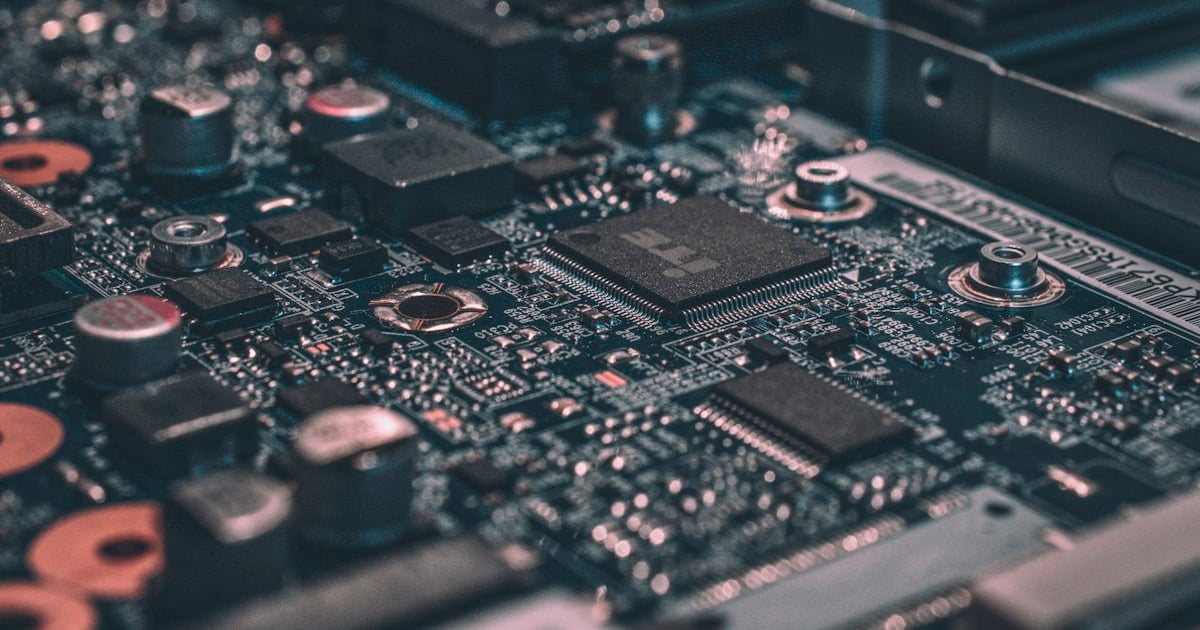
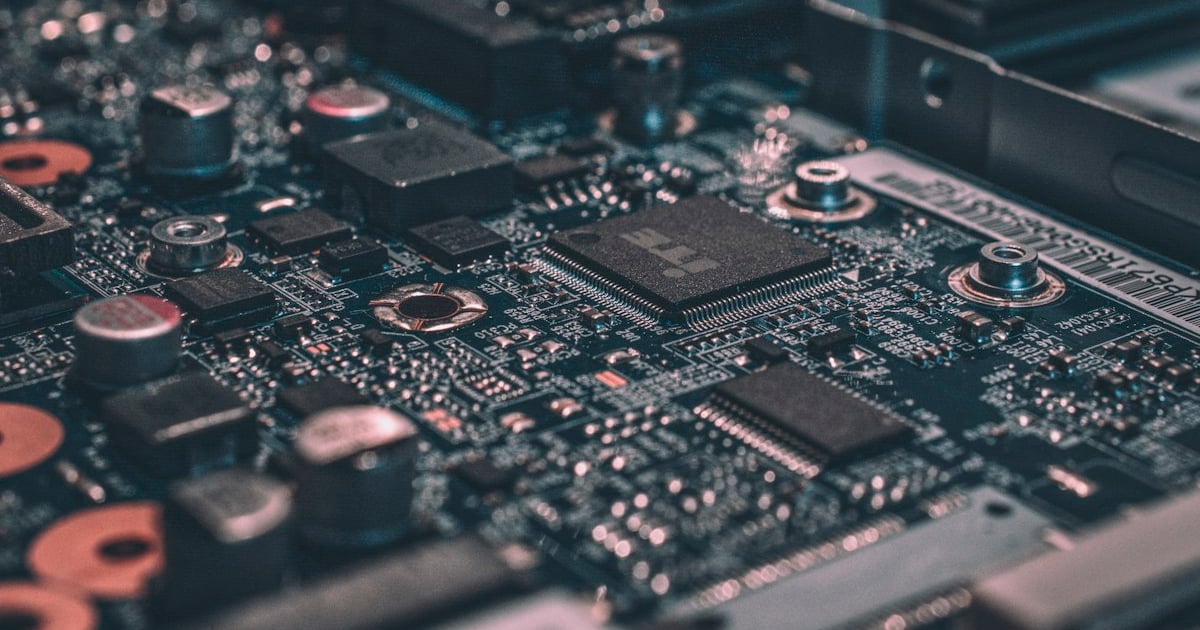
This production milestone is rooted in Tesla's relentless pursuit of autonomous technologies, leveraging the massive computational infrastructure originally built for Full Self-Driving (FSD) software. By integrating its proprietary AI chips, computer vision, and real-time spatial awareness into a humanoid chassis, Tesla is attempting to solve the generalized labor shortage problem. The company's initial strategy focuses heavily on deploying these robots within its own high-stress automotive manufacturing facilities before opening up commercial distribution to external enterprises, setting the stage for an unprecedented shift in global industrial productivity.
While the initial rollout phase concentrates on internal deployment to stress-test durability, efficiency, and operational reliability, the long-term financial roadmap for Optimus is staggering. Analysts project that automated labor could dramatically compress operational expenses across Tesla's Gigafactories, driving down vehicle production costs and expanding gross margins over the next decade. Elon Musk has repeatedly emphasized that the robotics division could eventually outgrow the core automotive business, potentially unlocking multi-trillion-dollar addressable markets across warehousing, logistics, eldercare, and hazardous industrial maintenance.
Market participants are closely monitoring capital expenditure allocations as Tesla ramps up hardware tooling, supply chain procurement, and specialized engineering talent. The transition from R&D to active production requires massive upfront investments in electromechanical components, specialized sensors, and high-torque actuators. However, the projected return on investment hinges on Tesla's ability to scale manufacturing volume rapidly, thereby driving down unit costs and positioning the company as the dominant global supplier of commercial humanoid robotics.
The commencement of Optimus production sends shockwaves across the global technology and industrial landscape, triggering strategic responses from traditional robotics firms, manufacturing conglomerates, and institutional investors. Competitors in both the EV space and industrial automation are being forced to accelerate their own AI and robotics roadmaps to avoid technological obsolescence. Companies supplying precision gearboxes, tactile sensors, and high-capacity battery cells stand to benefit immensely from Tesla's soaring demand for specialized hardware components.
Conversely, traditional labor-intensive industries face a profound long-term existential reckoning. As humanoid robots achieve cost parity with human labor and prove capable of executing repetitive or dangerous tasks around the clock without fatigue, corporate boardrooms are actively rethinking workforce planning. For Indian and global tech-forward enterprises, the rise of Tesla Optimus serves as both a warning and an inspiration, accelerating the integration of AI-driven automation into modern supply chain architecture and manufacturing hubs.
As Tesla pushes forward with the initial manufacturing batches of Optimus, investors must track several critical milestones to gauge commercial success. Key indicators to monitor include the rate of internal deployment at Tesla's factories, metrics regarding uptime and task execution efficiency, and official timelines for external B2B pilot programs. Furthermore, regulatory scrutiny regarding workplace safety, data privacy, and the socio-economic impacts of automation will play a pivotal role in shaping how quickly these robots permeate mainstream industries.
Upcoming quarterly earnings calls and Tesla AI-focused shareholder events will provide deeper transparency into unit economics, software upgrade cycles, and projected delivery schedules for commercial clients. While volatility remains a hallmark of high-growth tech stocks, the structural shift toward humanoid robotics is officially underway, cementing Tesla's position at the vanguard of the artificial intelligence revolution.
Source Attribution: Originally reported by gnews-corporate (https://news.google.com/rss/articles/CBMie0FVX3lxTE0wcUJwSW90SkVYZ2JZRElXRHM3UzZEbXRaNjVBREYxYjBnN0hIRkxxWmtfR3NEV19PaktMT3V6VWt0QjI5aHBWU3RaMDFoMkFEZTgzcHlXYmYtUkdvTnRweHJid3kyWkVIazdTVF9pNTdlVjVveFhjSFJ5aw?oc=5).
Disclaimer: The financial, market, and corporate developments published above are reported for informational and educational purposes only. GrowMudra does not provide investment advice or stock recommendations. Readers are strongly advised to consult a SEBI-registered financial advisor before making investment decisions.



























0 Comment