
30 Nov , 2026 By : Shambhavi Mishra
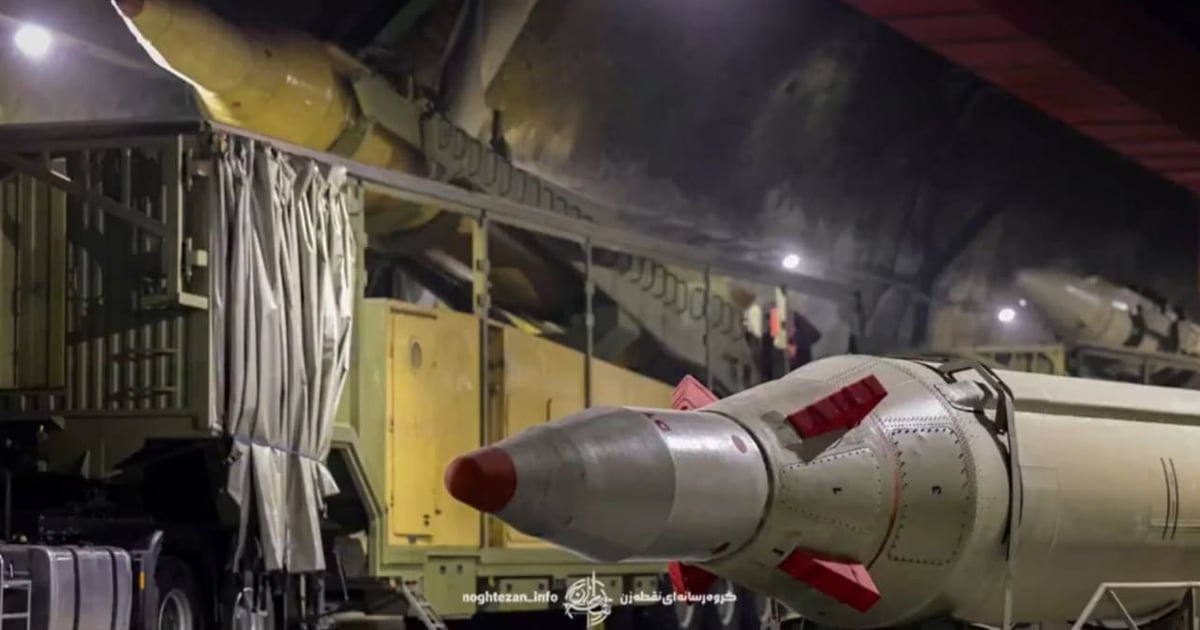
? Quick Take: Fresh US intelligence indicates Iran still commands an arsenal of up to 2,500 missiles, contradicting earlier assertions of a crippled defense sector. For Indian investors, this persistent flashpoint keeps crude oil volatility and supply chain premiums firmly on the radar.
Wall Street and global trading desks are quietly recalibrating risk models after fresh US intelligence assessments revealed that Iran maintains an inventory of up to 2,500 missiles. Despite intense military friction and heavy sanctions, Tehran's domestic manufacturing apparatus is reportedly churning out roughly 50 missiles per month. For emerging market economies heavily reliant on energy imports, this stubborn military resilience signals that geopolitical risk premiums in crude oil are not disappearing anytime soon.
For months, public discourse centered around the narrative that regional conflicts had fundamentally dismantled Iran's offensive capabilities. Yet, classified assessments shared across Western intelligence agencies paint a starkly different picture. Countering earlier political assertions from figures like Donald Trump regarding total neutralization, the data shows an industrial base capable of sustaining high-volume output.
This ongoing production rate of 50 units monthly highlights a resilient domestic supply chain that has successfully routed around international restrictions. Intelligence analysts are particularly alarmed by underground manufacturing hubs and the appearance of advanced mystery hardware resembling stealth technology. When defense infrastructure adapts this quickly under economic duress, standard risk pricing models used by global fund managers instantly break down.
Energy markets hate persistent uncertainty more than they hate bad news. As long as Tehran retains a multi-thousand missile inventory and active production lines, the threat to maritime chokepoints like the Strait of Hormuz stays elevated. Any sudden escalation instantly spills over into Brent crude futures, directly impacting India's import bill and widening the current account deficit.
Domestic retail investors tracking oil-sensitive sectors such as paints, aviation, and FMCG must pay close attention to these defense metrics. Higher crude prices squeeze corporate operating margins faster than most quarterly earnings reports care to admit. When geopolitical tensions refuse to cool, input cost inflation follows close behind.
Source Attribution: Originally reported by gnews-world (https://news.google.com/rss/articles/CBMiakFVX3lxTE1wOGI4VlAxdVJ6SGhBdWV4SC1Jemh2VU9UTmFfazVUSGpoQXI1M2EyRVI4THhfWFduek5KMGkzNVpYVURCazJrVzhncGd1czU4d0c3NVZrT04xNkZXbkk2ekYtSk5veVQ2ZXc?oc=5).
Disclaimer: The financial, market, and corporate developments published above are reported for informational and educational purposes only. GrowMudra does not provide investment advice or stock recommendations. Readers are strongly advised to consult a SEBI-registered financial advisor before making investment decisions.




































0 Comment