
07 Nov , 2026 By : Shambhavi Mishra

? Quick Take: Stock market dips and index drops are not confined to trading floors and Wall Street boardrooms. They silently alter retirement funds, job security, and borrowing costs for everyday consumers.
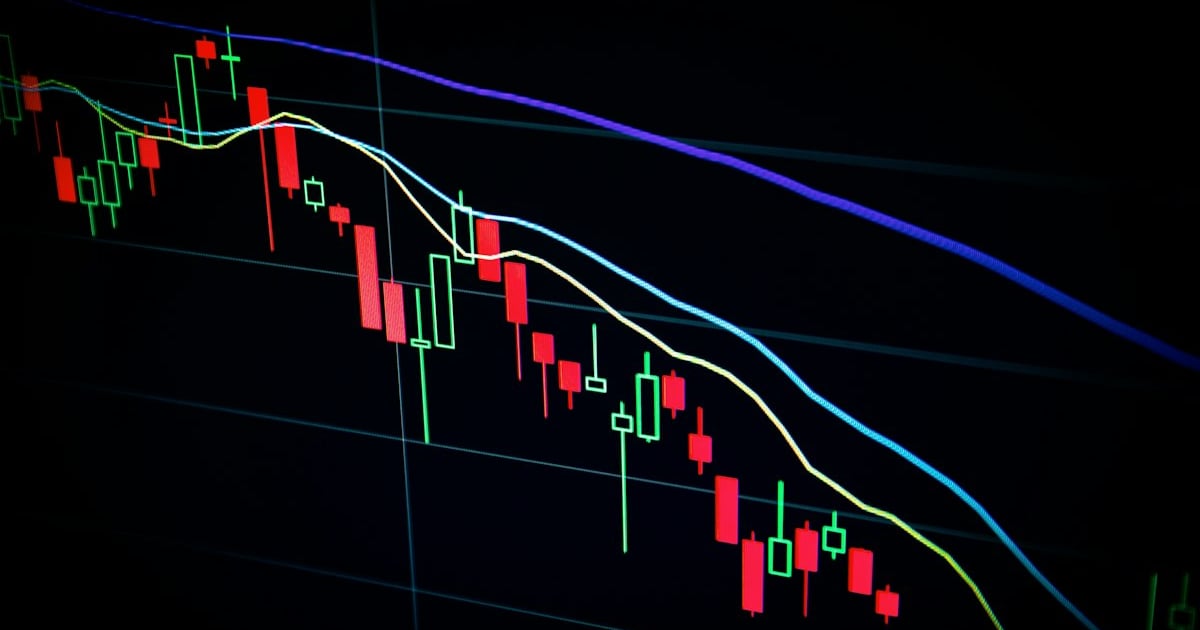
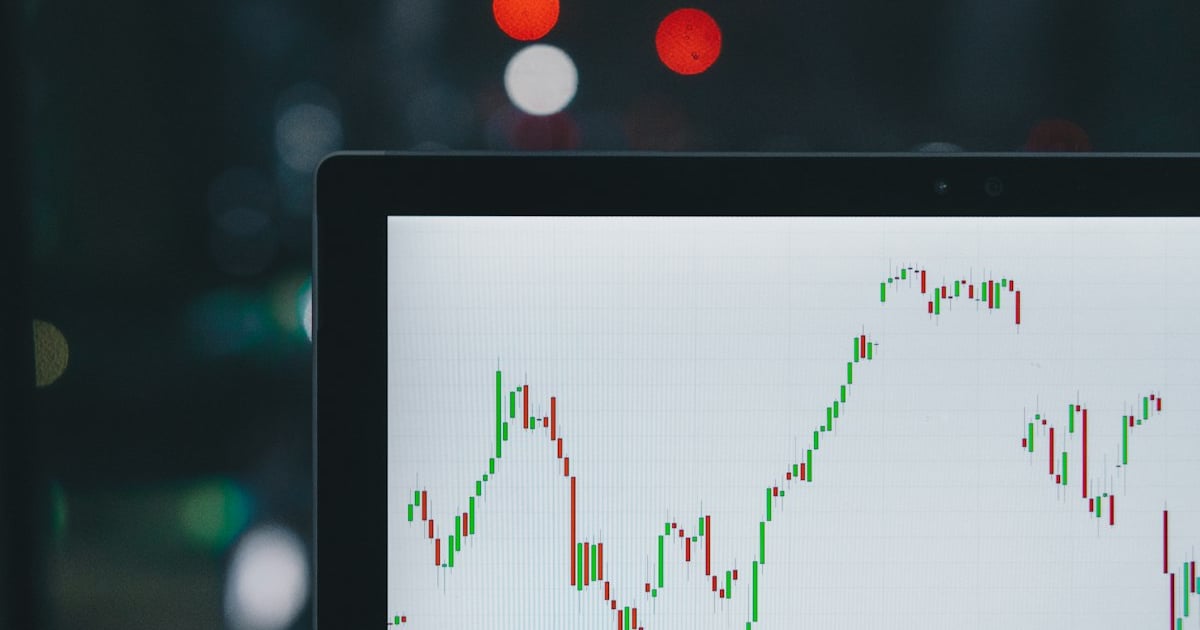
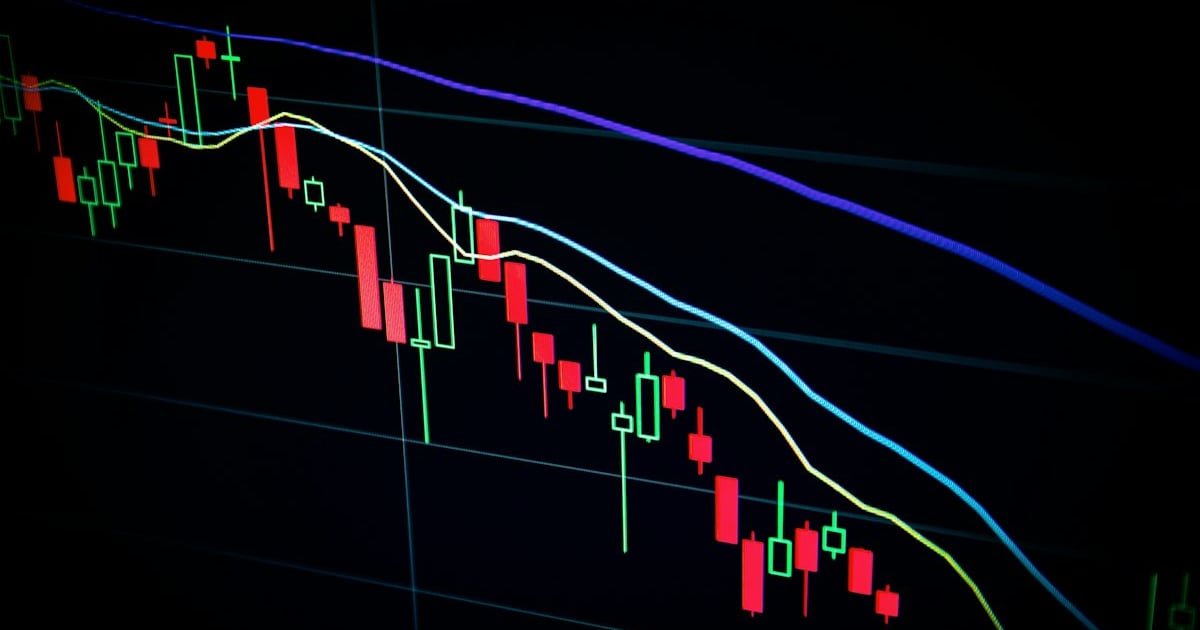
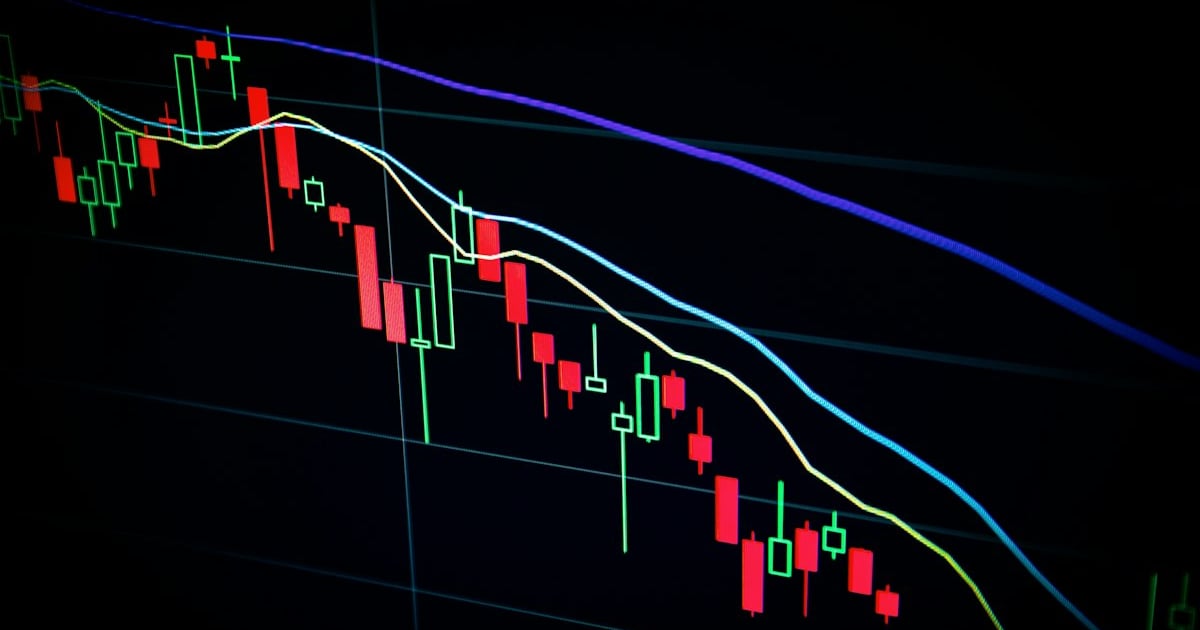
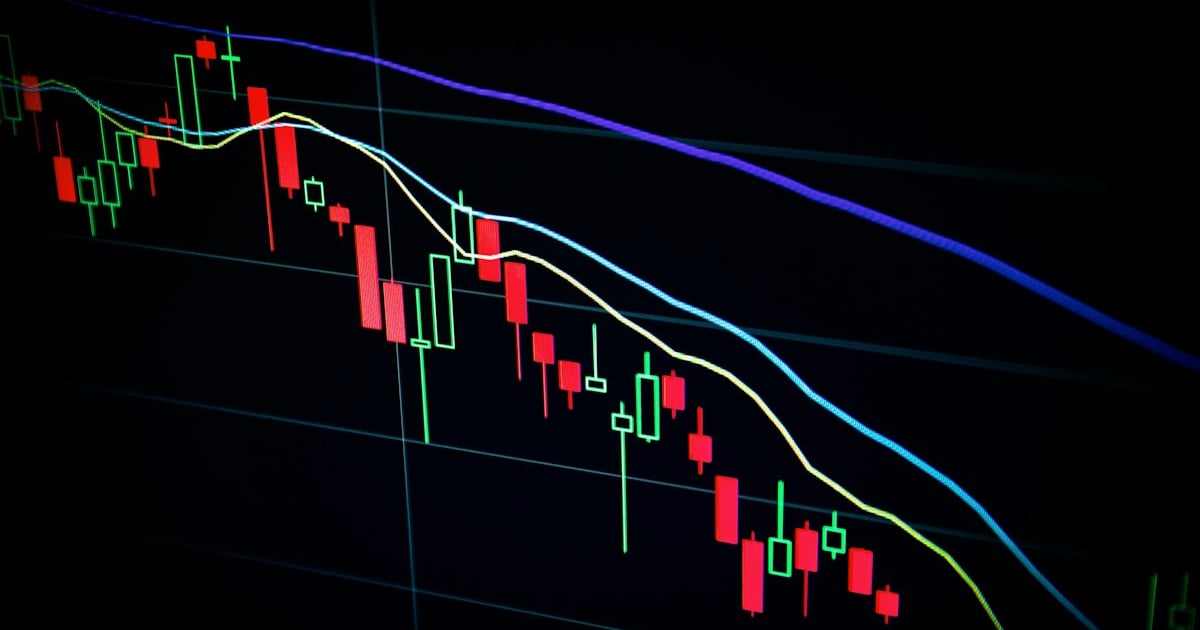
When the ticker turns red and benchmarks like the FTSE 100 stumble, television screens flash alarming percentages while financial analysts debate the macro fallout. For the average wage earner, these movements often feel like distant weather reports. Yet, market contractions carry direct consequences that eventually reach your household budget, pension valuations, and long-term financial planning.
Most workers assume retirement funds operate in a sealed vault far away from daily ticker volatility. In reality, workplace pensions and retirement pots are heavily invested in equities, meaning a sharp downward slide in major indices directly shaves value off your future savings. When large-cap companies lose value, the compounding returns expected over decades take an immediate hit.
This means your projected retirement date might require a second look when markets experience prolonged downturns. Fund managers often rebalance portfolios during panics, locking in losses that take years to recover. Understanding this connection shifts our perspective from viewing stock crashes as spectator sports to recognizing them as direct threats to personal security.
Share price drops trigger immediate defensive maneuvers inside major corporations. When equity valuations slide, raising fresh capital becomes expensive, and executive boards scramble to protect profit margins. Hiring freezes, delayed promotions, and structural layoffs quickly follow as companies look to appease anxious shareholders.
Job security is rarely decoupled from corporate stock performance. If you work for a multinational or an enterprise tied to global supply chains, a tumbling benchmark is often the precursor to internal cost-cutting. The ripple effect travels swiftly from trading terminals to human resource departments.
Financial markets act as a barometer for consumer confidence and business spending. When asset values contract, people naturally pull back on discretionary spending and luxury purchases. This reduction in aggregate demand slows down economic velocity, hitting small businesses and service providers who rely on steady consumer cash flow.
Central banks also monitor these market tremors when deciding monetary policy and interest rate paths. A severe stock sell-off can prompt regulators to slash borrowing costs to inject liquidity, altering mortgage rates and savings yields overnight. The health of the stock market dictates the broader macroeconomic climate we navigate daily.
Source Attribution: Originally reported by bbc-business (https://www.bbc.co.uk/news/articles/c33zdz2m1e2o?at_medium=RSS&at_campaign=rss).
Disclaimer: The financial, market, and corporate developments published above are reported for informational and educational purposes only. GrowMudra does not provide investment advice or stock recommendations. Readers are strongly advised to consult a SEBI-registered financial advisor before making investment decisions.


























0 Comment