
22 Nov , 2026 By : Shambhavi Mishra
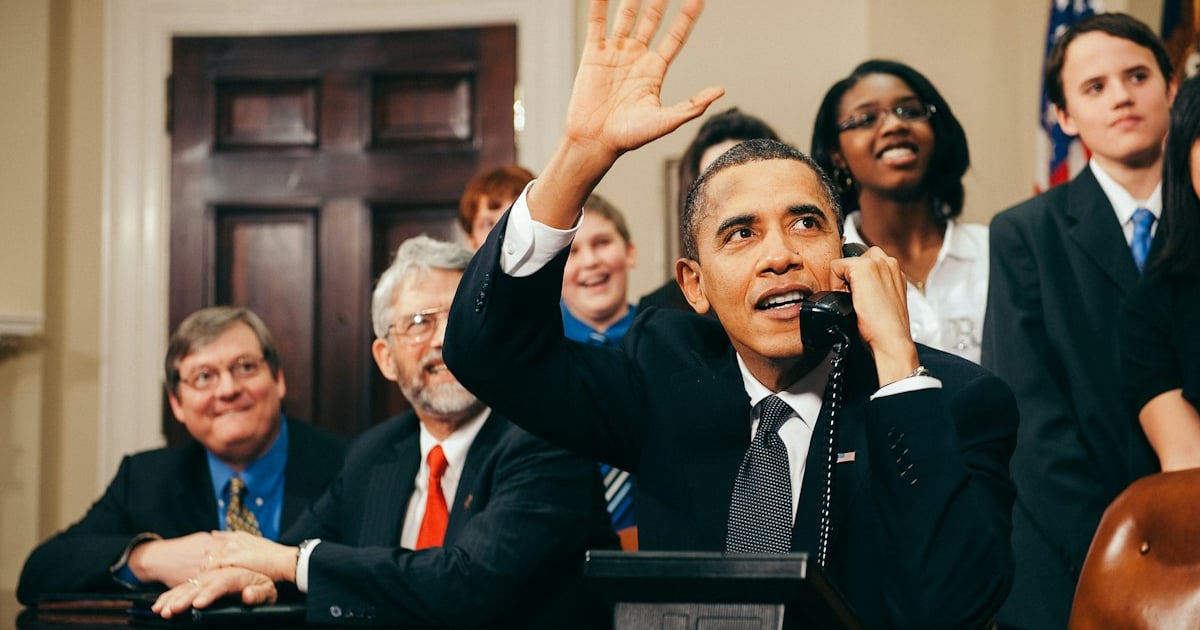
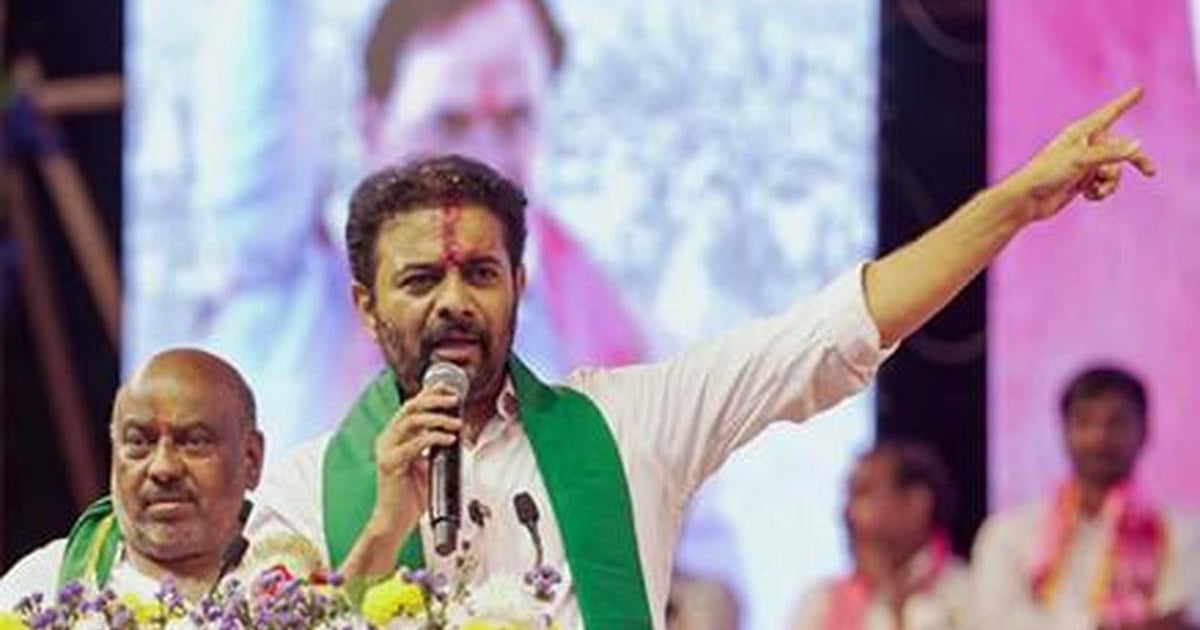
? Quick Take: Asaduddin Owaisi and Chandrashekhar Azad have joined forces for the upcoming Uttar Pradesh polls, aiming to consolidate Dalit and Muslim voter blocks. This alliance threatens to fracture traditional vote banks and rewrite the state's electoral math.
The political fault lines in Uttar Pradesh are shifting. By cementing an alliance ahead of the 2027 assembly elections, Asaduddin Owaisi's AIMIM and Chandrashekhar Azad's Azad Samaj Party are launching a direct challenge to both the ruling BJP-led NDA and the Samajwadi Party-led opposition. For market participants and economic observers, any substantial realignment in India's most populous state carries heavy implications for governance, policy execution, and consumer sentiment on the ground.
Uttar Pradesh has long operated on predictable caste and community equations. The new Owaisi-Azad partnership is designed to bypass established regional heavyweights by directly mobilizing minority and Dalit voters under a single banner. If this coalition manages to convert rallies into actual ballot box numbers, traditional calculations across dozens of constituencies will be thrown wide open.
Electoral fragmentation in UP rarely stays confined to local politics. State-level realignments dictate the stability and focus of infrastructural spending, land acquisition policies, and populist welfare measures. Investors tracking fiscal discipline and state debt trajectories must keep a close eye on how opposition votes split across districts.
For years, the political narrative in the state remained a bipolar tug-of-war between the ruling dispensation and the primary opposition led by Akhilesh Yadav's Samajwadi Party. The emergence of a third, assertive alternative changes the bargaining power of marginalized communities. It forces major parties to recalibrate candidate selection and campaign messaging.
Markets dislike policy paralysis and prolonged uncertainty. A multi-cornered contest often increases populist spending announcements as parties scramble to outbid each other with welfare promises. That dynamic directly influences state exchequer health and bond yields over medium-term horizons.
Source Attribution: Originally reported by ndtv-india (https://www.ndtv.com/india-news/asaduddin-owaisi-chandrashekhar-azads-parties-together-for-up-2027-eye-dalit-muslim-consolidation-12314231).
Disclaimer: The financial, market, and corporate developments published above are reported for informational and educational purposes only. GrowMudra does not provide investment advice or stock recommendations. Readers are strongly advised to consult a SEBI-registered financial advisor before making investment decisions.








0 Comment