
22 Nov , 2026 By : Shambhavi Mishra
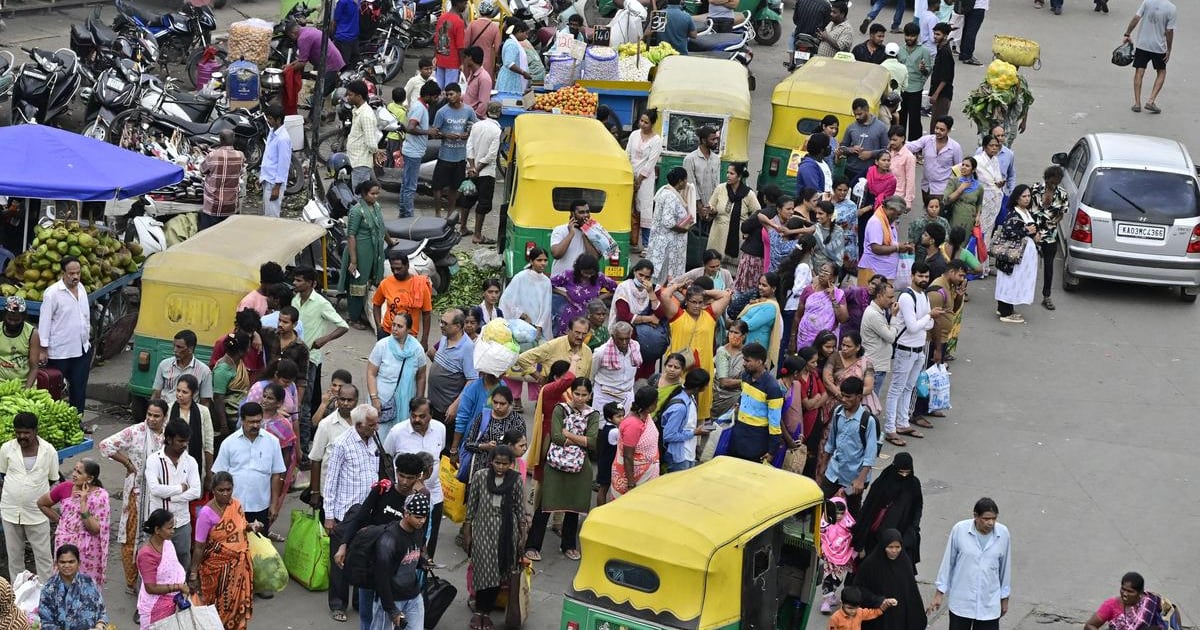
? Quick Take: A massive clean-up drive cleared 150 tonnes of waste from Bangalore's iconic K.R. Market. For urban stakeholders, this highlights the hidden operational friction plaguing India's high-density commercial centers.
When civic authorities pull 150 tonnes of accumulated refuse out of a single commercial nerve center in a matter of hours, it raises serious questions about everyday asset management. For Bangalore's K.R. Market—a bustling hub driving crores in daily trade—waste management is not just a sanitation issue; it is a direct line item affecting vendor productivity, real estate valuations, and consumer footfall.
Markets like K.R. Market generate immense economic output, yet municipal infrastructure often fails to keep pace with the sheer volume of daily commerce. Piling garbage chokes arterial access points, slowing down logistics and hurting daily margins for small traders who rely on fast inventory turnover.
When civic bodies have to resort to massive, ad-hoc intervention drives rather than maintaining steady, predictable sanitation protocols, systemic cracks appear. Operational inefficiency directly translates to lost business hours and higher health risks for the thousands of buyers and sellers trading there daily.
Investors often overlook municipal maintenance when evaluating retail and commercial spaces. Yet, persistent civic neglect depresses rental yields and deters institutional capital from upgrading surrounding micro-markets.
A cleaner marketplace improves footfall conversion rates. When municipal corporations treat waste management as a core economic infrastructure priority rather than an afterthought, property values in adjacent commercial zones naturally stabilize.
Source Attribution: Originally reported by hindu-national (https://www.thehindu.com/news/cities/bangalore/special-clean-up-drive-removes-150-tonnes-of-waste-from-kr-market/article71690163.ece).
Disclaimer: The financial, market, and corporate developments published above are reported for informational and educational purposes only. GrowMudra does not provide investment advice or stock recommendations. Readers are strongly advised to consult a SEBI-registered financial advisor before making investment decisions.











0 Comment