
21 Nov , 2026 By : Shambhavi Mishra
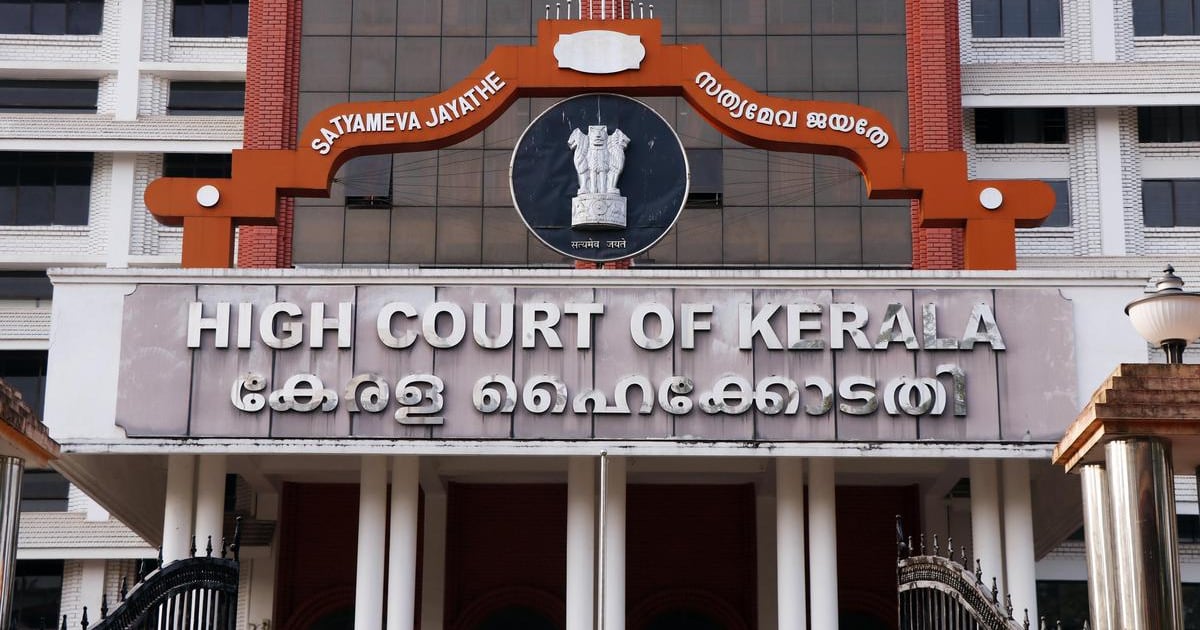
? Quick Take: The Kerala High Court has stepped into an ongoing campus tussle, questioning why a university insists on an apology from students who are already facing suspension. The judicial scrutiny highlights mounting administrative overreach in institutional disciplinary actions.
When educational institutions trade academic discourse for rigid disciplinary posturing, the ripple effects invariably hit public governance, institutional spending, and the broader social fabric. The Kerala High Court has now trained its lens on the Sree Sankaracharya University of Sanskrit (SSUS), demanding answers over why university authorities continue to pressure protesting students for apologies even after handing down suspensions. For taxpayers, investors, and governance watchers, this courtroom showdown underscores a familiar friction point between administrative authority and student dissent in India's publicly funded universities.
The legal scrutiny stems from a plea filed by 16 students who found themselves slapped with suspensions pending an inquiry. Their alleged transgression? Staging a mock funeral of the vice-chancellor during a campus agitation. While university administrators viewed the performance as a severe breach of institutional decorum, the petitioners took their battle straight to the judiciary.
Justice P.V. Kunhikrishnan, presiding over the Bench, raised a fundamental legal and administrative query: what purpose does a forced apology serve when the punitive measure of suspension has already been enacted? The question cuts to the core of how academic institutions handle dissent. Punitive actions are meant to maintain order, but compounding them with demands for forced contrition often pushes administrative disputes into protracted legal battles.
Publicly funded universities operate under tight state scrutiny and resource constraints. When administrative leadership spends vital capital fighting student bodies in court over symbolic protests rather than focusing on academic outputs, institutional efficiency takes a hit. Campus stability is an unwritten metric that impacts everything from state grant allocations to institutional reputation.
Investors and market observers monitoring state-level economic stability often overlook how institutional governance failures trickle upward. Unresolved campus flashpoints drain administrative bandwidth and invite negative judicial observations. This creates avoidable friction in public administration, affecting the operational health of state-backed educational assets.
Source Attribution: Originally reported by hindu-national (https://www.thehindu.com/news/national/kerala/hc-asks-ssus-why-it-persists-with-demand-for-apology-from-protesting-students-who-were-already-under-suspension/article71689276.ece).
Disclaimer: The financial, market, and corporate developments published above are reported for informational and educational purposes only. GrowMudra does not provide investment advice or stock recommendations. Readers are strongly advised to consult a SEBI-registered financial advisor before making investment decisions.























0 Comment