
21 Nov , 2026 By : Shambhavi Mishra
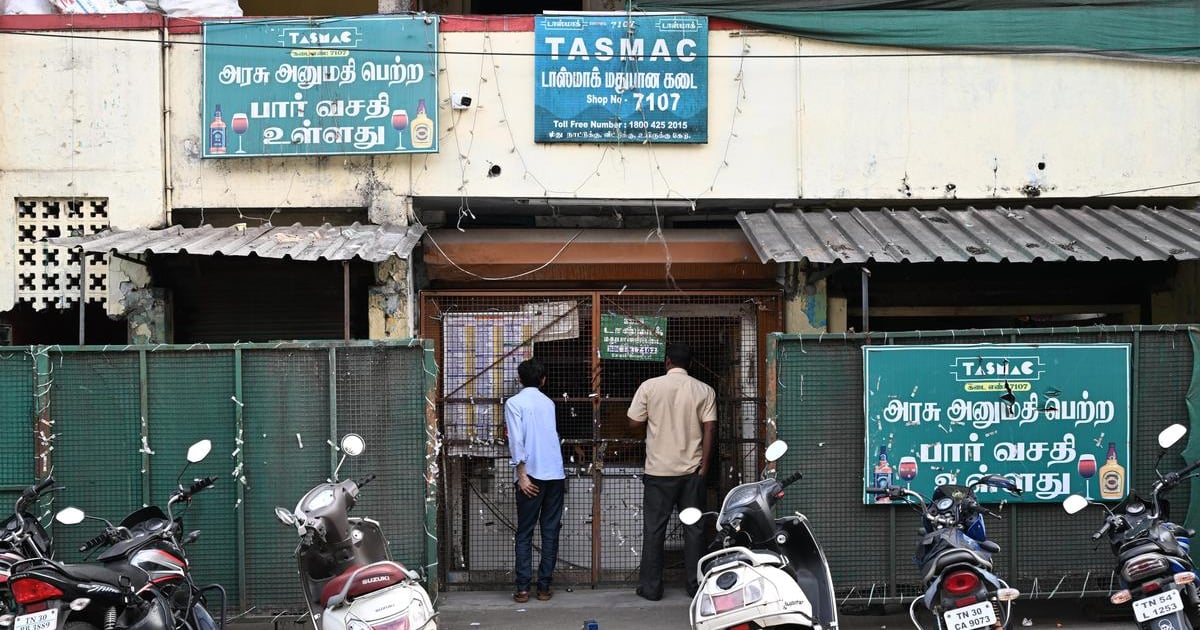
? Quick Take: Tasmac has rolled out a mandatory three-year transfer policy for its retail liquor staff across Tamil Nadu. The systemic overhaul targets chronic manpower shortages and aims to sanitize ground-level operational bottlenecks.
State-run retail monopolies rarely make routine administrative tweaks without broader economic implications. In Tamil Nadu, the Tamil Nadu State Marketing Corporation (Tasmac) has just rewritten its internal playbook by enforcing a rigid three-year tenure cap for employees stationed at its countless retail liquor outlets. For retail watchers and public policy analysts, this institutional shift strikes directly at the heart of state-managed distribution networks.
For decades, shop-floor deployment across Tasmac outlets operated under loose administrative structures. Employees frequently anchored themselves to specific locations for extended periods, creating localized fiefdoms and informal syndicates. The new policy acts as a hard reset, compelling systematic staff movement every thirty-six months.
State administrators designed this framework to break entrenched operational bottlenecks. By rotating personnel regularly, the corporation aims to neutralize localized corruption vectors while distributing labor efficiently where footfall runs highest. Staff deployment has historically been skewed, leaving suburban outlets understaffed while urban centers battle perpetual queues.
Behind the glossy quarterly revenue figures reported by state beverage corporations lies a messy reality of human resource management. Tasmac runs one of the largest retail chains in the country, yet it battles continuous complaints regarding staffing shortages and uneven workload distribution.
Mandatory rotations force a transparent mapping of human capital against actual store sales volume. Outlets that historically suffered from chronic absenteeism or staffing deficits will finally receive standardized workforce allocations. It is an administrative fix for a retail machinery that often creaks under its own immense weight.
Liquor retail is the financial lifeline of Tamil Nadu's exchequer, contributing tens of thousands of crores annually to state coffers. Any friction in retail execution directly hits the treasury. Streamlining employee deployment means fewer unauthorized closures, faster checkout times, and tighter inventory tracking.
While union pushback from entrenched employees remains a distinct near-term risk, the long-term payoff involves higher operational transparency. Clean operations reduce revenue leakage, ensuring that every bottle stocked translates cleanly into state tax collections without intermediate friction.
Source Attribution: Originally reported by hindu-national (https://www.thehindu.com/news/national/tamil-nadu/tasmac-introduces-three-year-transfer-norm-for-liquor-shop-employees-in-tamil-nadu/article71687082.ece).
Disclaimer: The financial, market, and corporate developments published above are reported for informational and educational purposes only. GrowMudra does not provide investment advice or stock recommendations. Readers are strongly advised to consult a SEBI-registered financial advisor before making investment decisions.






























0 Comment