
21 Nov , 2026 By : Shambhavi Mishra
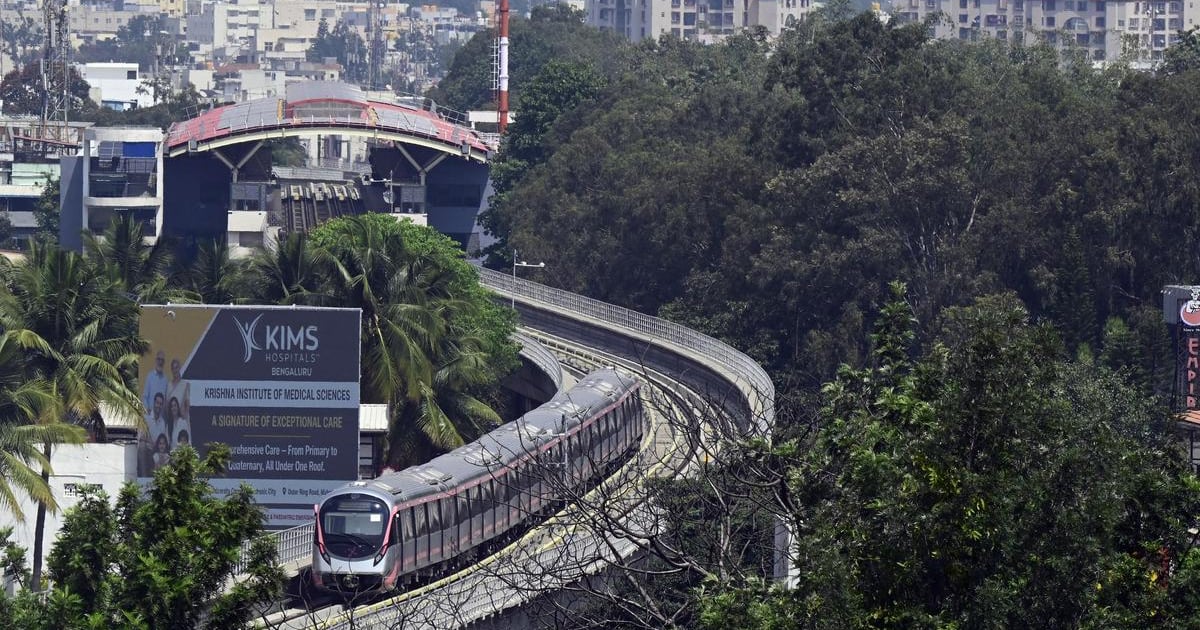
? Quick Take: Karnataka has shouldered an overwhelming 84 percent of Bengaluru Metro's staggering project costs, triggering a fresh push for central fiscal support. For taxpayers and state municipal investors, this fiscal imbalance highlights structural strains in India's urban transit financing.
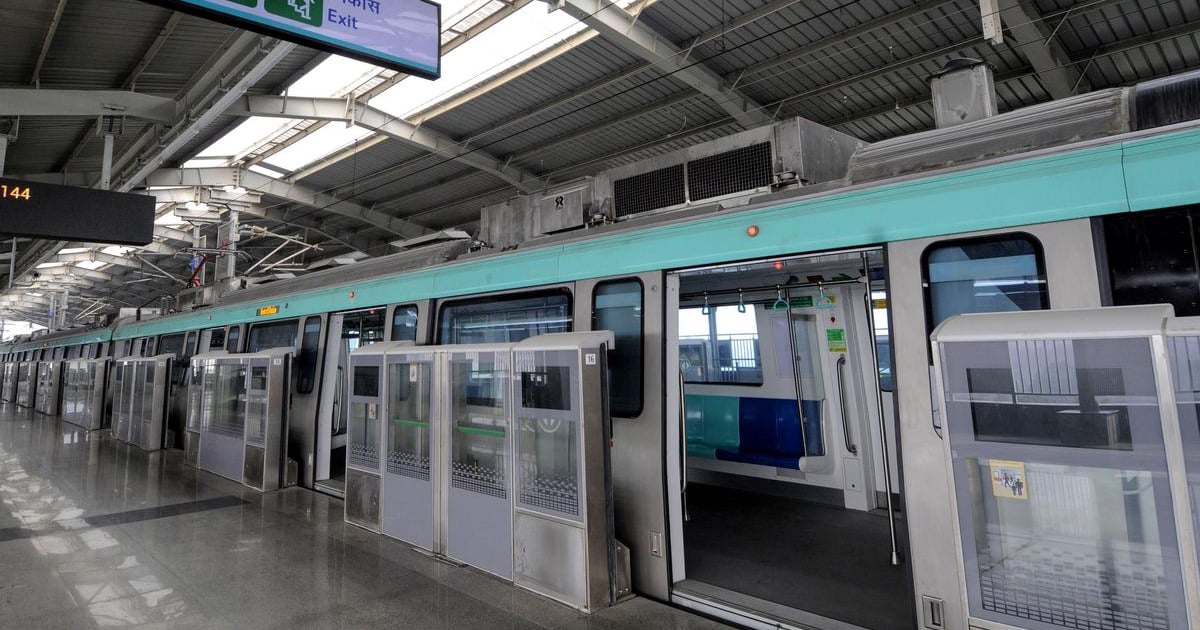
The financial architecture underpinning India's urban transit expansion is facing intense scrutiny. Karnataka has laid bare a stark fiscal disparity in the funding of Bengaluru's sprawling rail network, revealing that state coffers are footing nearly the entire bill while the Union government contributes a fraction of the actual capital expenditure.
When you aggregate the project outlays for Metro Phases 1, 2, 2A, 2B, alongside the estimated costs for Phase 3, the cumulative bill stands at a massive ?77,891 crore. State Revenue Minister Krishna Byre Gowda pointed out that Karnataka alone is contributing ?65,291 crore of this total.
By contrast, the Centre's share stops at a meager ?12,600 crore. That translates to the state government bearing roughly 84 percent of the financial weight for a vital national economic corridor. For a state balancing agrarian commitments, social welfare guarantees, and urban infrastructure demands, this ratio creates acute budgetary pressure.
Bengaluru is India's tech capital, driving billions in software exports and corporate tax revenues. Yet, urban infrastructure financing relies heavily on state balance sheets stretching beyond prudent fiscal limits.
Massive urban projects like the Namma Metro directly generate substantial indirect tax revenues and employment mobility for the federal exchequer. When state governments absorb the bulk of execution risk and debt servicing, it limits their fiscal headroom for other critical capital expenditures like health and education.
Source Attribution: Originally reported by hindu-national (https://www.thehindu.com/news/national/karnataka/karnataka-bears-84-of-bengaluru-metro-project-costs-seeks-greater-centre-funding/article71689509.ece).
Disclaimer: The financial, market, and corporate developments published above are reported for informational and educational purposes only. GrowMudra does not provide investment advice or stock recommendations. Readers are strongly advised to consult a SEBI-registered financial advisor before making investment decisions.


















0 Comment