
23 Nov , 2026 By : Shambhavi Mishra
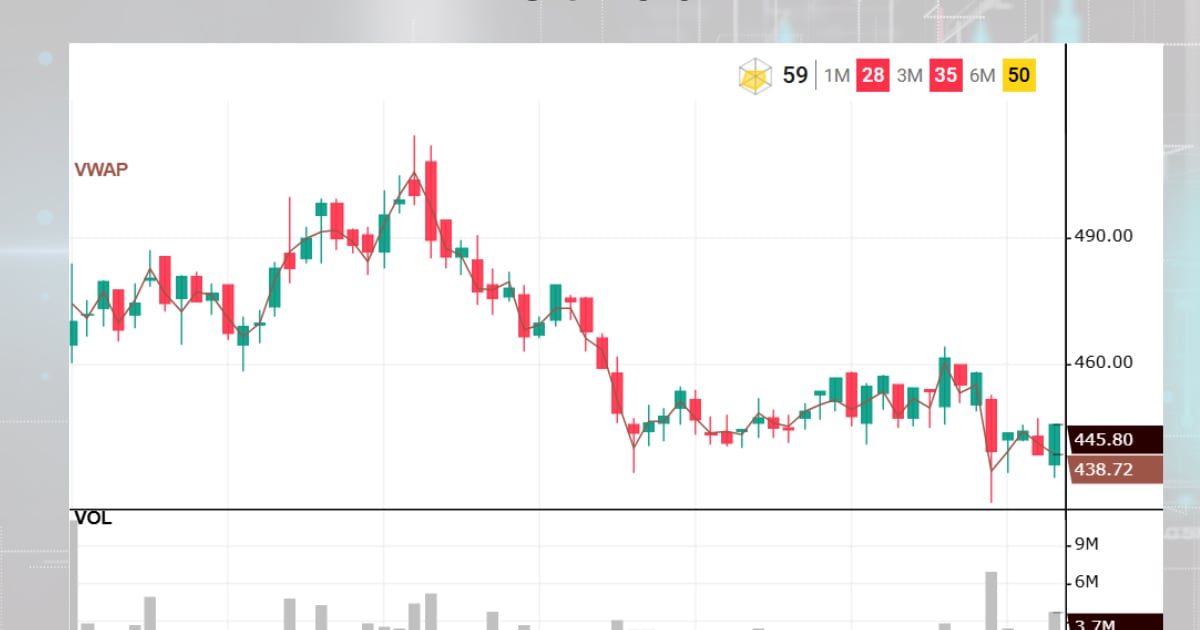
? Quick Take: Six Nifty500 stocks managed strong closes well above their volume-weighted average prices on November 11. For retail traders, this technical flag signals heavy institutional buying momentum worth tracking.
When heavyweights start closing significantly higher than their average transaction price, institutional desks usually take notes. On November 11, a technical screen run by StockEdge flagged exactly six Nifty500 counters that managed to finish the trading session more than 1.5?ove their respective volume-weighted average prices (VWAP). Heading the list was state-run energy major Oil India, drawing immediate attention from short-term momentum players.
VWAP remains one of the most reliable tools in a trader's arsenal because it factors in both volume and price. When a stock closes comfortably above this benchmark, it implies aggressive buying pressure persisted right through the closing bell rather than fading away by afternoon.
For Oil India and the five other unnamed Nifty500 participants, this move hints at quiet accumulation. Large institutional investors often break up their orders to avoid moving the needle too drastically, and a late-session push past VWAP is frequently their fingerprint.
Public sector undertakings in the oil and gas space have seen choppy sentiment amid fluctuating global crude benchmarks. Yet, Oil India holding this technical strength points to resilient domestic buying interest.
Traders watch volume-weighted metrics closely because prices reverting to the mean is the market's default habit. Defying that mean by a margin exceeding 1.5% means buyers were willing to pay a premium as the trading day wound down.
Source Attribution: Originally reported by et-ipos (https://economictimes.indiatimes.com/markets/stocks/news/oil-india-among-6-stocks-closing-above-vwap/slideshow/135755140.cms).
Disclaimer: The financial, market, and corporate developments published above are reported for informational and educational purposes only. GrowMudra does not provide investment advice or stock recommendations. Readers are strongly advised to consult a SEBI-registered financial advisor before making investment decisions.
































0 Comment