
16 Apr , 2022 By : monika singh
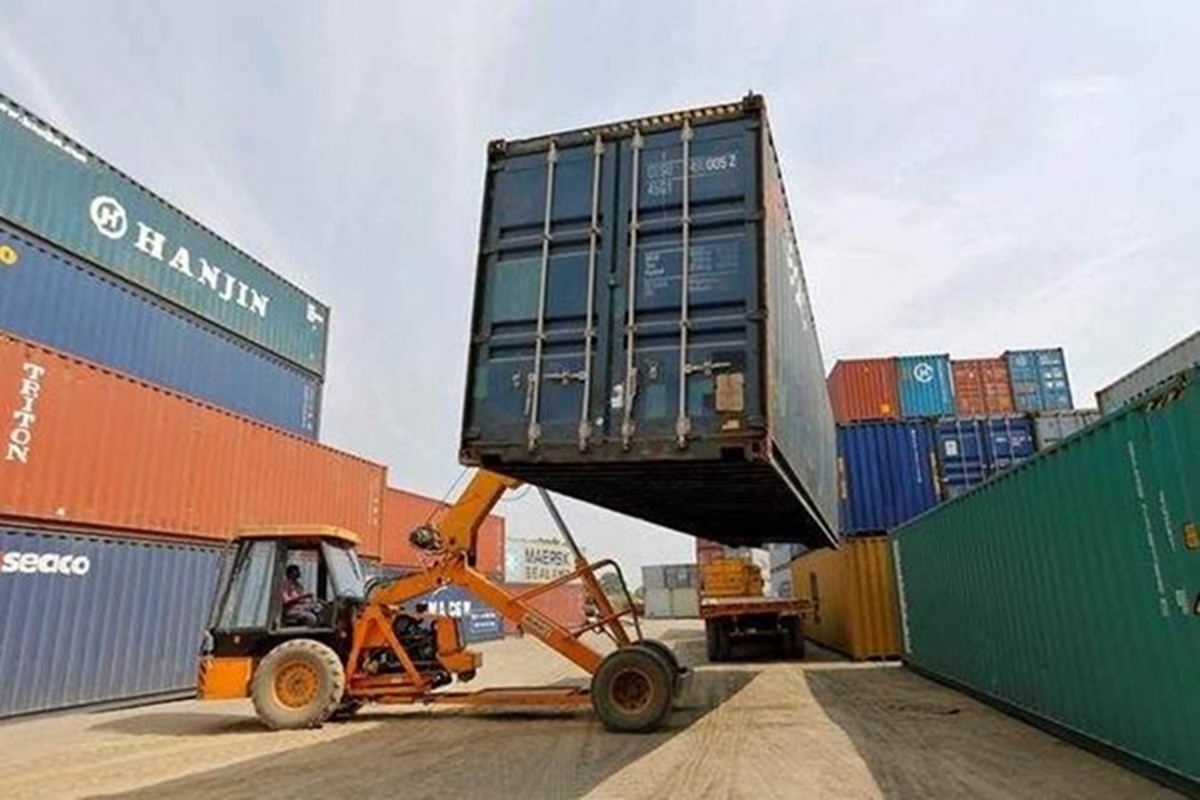
The government is planning to firm up quality specifications for a broader range of imported products, as it intends to harden a crackdown on the inflows of substandard goods from overseas.
Official sources told FE that the Bureau Of Indian Standards (BIS) has convened a meeting on April 20 of officials from several ministries that oversee the trade of various products or develop standards for them.
“The idea is to identify imported products for which standard specifications are yet to be developed or revised,” said one of the sources. “BIS director general Pramod Kumar Tiwari, who will chair the meeting, will also monitor whether enough testing facilities are in place at the district level and whether common testing facilities can be developed for MSME clusters,” he added.
The move goes beyond the government’s initial plan to formulate standards/technical regulations or put in place quality control orders (QCOs) for 371 key products in the first phase. Imports of these 371 products were to the tune of $128 billion, or a fourth of the total purchases from overseas, in FY19, before the Covid outbreak.
The decision isn’t specific to any country but it could hurt China, as Beijing is the biggest supplier of low-grade products to India.
Nevertheless, keeping with the principle of free and fair trade and to ensure domestic consumers have access to quality products, both Indian manufacturers and foreign suppliers will have to conform to the same standard specifications.
Importantly, it will also prompt domestic producers to collectively enhance the quality of their products so that they will be better placed to take advantage of various trade agreements that the government has forged or is planning to conclude with even developed economies. Recently, it sealed a deal with Australia and is planning to get into free trade agreements with the UK, Canada and the EU.
India’s move to develop technical specifications for products in recent years marks a shift in its approach to curb low-grade imports; its earlier approach was to raise tariffs.
Since substandard products are usually imported at much cheaper rates, they not just pose risks to consumer health and environment but also hit domestic manufacturing because of the price competitiveness.
Concerned about protectionism by stealth adopted by some nations, commerce and industry minister Piyush Goyal has been asking industry associations to flag non-tariff barriers faced by Indian exporters in various countries so that New Delhi can firm up appropriate remedial responses.
The dozens of products where quality control orders have been issued include air conditioner, toys, footwears, pressure cooker and microwave. The government has also firmed up standards as well as technical regulations for hundreds of products across sectors, including consumer electronics, steel, heavy machinery, telecom goods, chemicals, pharmaceuticals, paper, rubber articles, glass, industrial machinery, some metal products, furniture, fertiliser, food and textiles.
Analysts have said India seems to have taken a cue from developed and major developing nations that have erected non-tariff barriers to target non-essential and substandard imports. For instance, the US put in place as many as 8,453 non-tariff measures, followed by the EU (3,119), China (2,971), South Korea (1,929) and Japan (1,881), according to a commerce ministry analysis in 2020. In contrast, India had imposed only 504 of them.
Of course, non-tariff measures are not always aimed at curbing imports (for instance, safety, quality and environmental standards are put in place by all countries for imported products). But what have often worried analysts is that they can be abused for trade protectionism.

























0 Comment