
30 Oct , 2026 By : Shambhavi Mishra
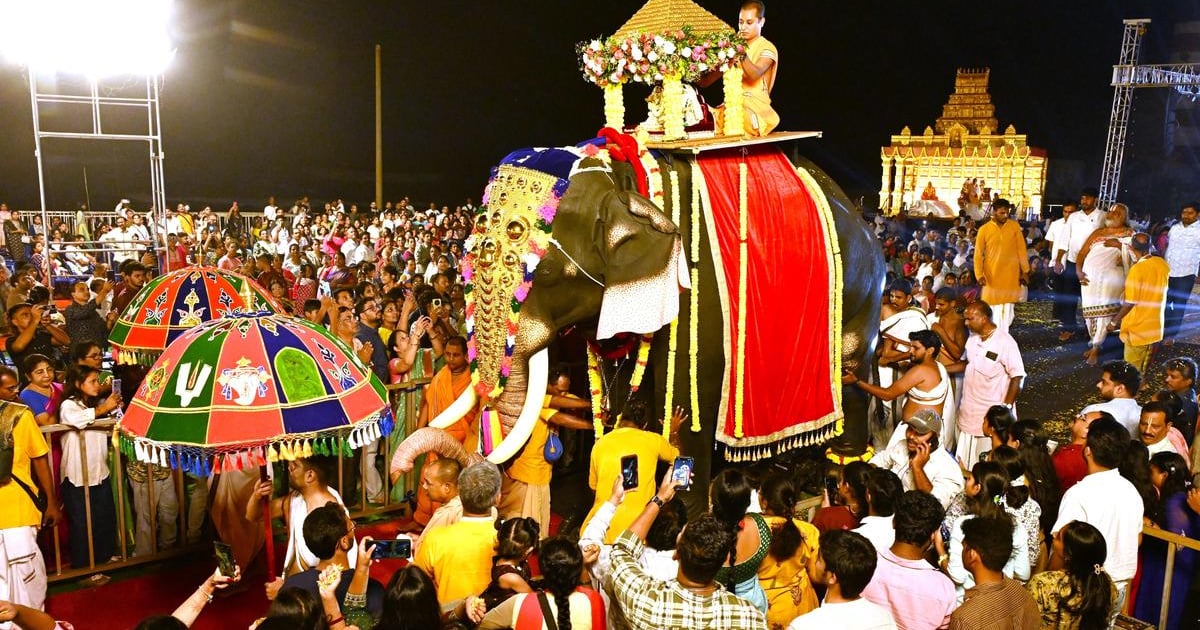
In an innovative convergence of ancient cultural heritage and cutting-edge automation, the International Society for Krishna Consciousness (ISKCON) has officially unveiled a life-sized, 800-kilogram robotic elephant in Visakhapatnam. This groundbreaking initiative not only marks a significant milestone in ethical temple practices across India but also underscores the growing commercial and cultural adoption of advanced robotics in traditional sectors, signaling a new era for institutional asset management and animal welfare technologies.
For centuries, the use of captive live elephants has been an integral yet increasingly controversial component of large-scale religious festivals and temple rituals across India. Animal welfare organizations, environmentalists, and regulatory bodies have repeatedly raised concerns regarding the treatment, psychological distress, and physical health of captive pachyderms subjected to loud noises, heavy crowds, and unnatural environments. The growing pushback from civil society has prompted religious institutions to seek humane alternatives that preserve the grandeur of traditional rituals without compromising ethical standards.
Against this socio-cultural backdrop, ISKCON’s adoption of a mechanical substitute in Visakhapatnam represents a monumental paradigm shift. By investing in high-precision animatronics, the organization is pioneering a sustainable model for heritage preservation. This move mirrors global trends where traditional entertainment and institutional spaces are replacing live animals with hyper-realistic robotic counterparts, thereby eliminating veterinary overheads, reducing liability risks, and aligning institutional practices with modern ESG (Environmental, Social, and Governance) expectations.
While the exact capital expenditure (CapEx) for the 800-kg robotic elephant has not been publicly disclosed, industry experts estimate that custom-built animatronic heavy structures of this scale require significant technological investments, ranging from localized R&D grants to specialized engineering procurement. The asset is designed to mimic natural movements—including ear flapping, trunk swaying, and eye blinking—utilizing advanced pneumatic and hydraulic actuators driven by heavy-duty electric motors.
From an operational standpoint, the deployment of this robotic asset serves as a cost-efficient long-term alternative to maintaining live animals, which typically demand extensive daily expenditure on specialized diets, mahout upkeep, veterinary care, and insurance. Financial analysts monitoring the non-profit and temple-tech sector note that such investments, though capital-intensive initially, yield high operational savings over a multi-year lifecycle while simultaneously boosting footfall and devotee engagement through novelty attraction.
The successful unveiling of the robotic elephant in Visakhapatnam is expected to trigger a ripple effect across India’s burgeoning robotics, animatronics, and spiritual tourism sectors. Domestic engineering firms specializing in industrial automation and mechatronics stand to gain immensely as more cultural and religious trusts look to modernize their operations. This trend opens up lucrative B2B avenues for tech startups aiming to design bespoke mechanical solutions for heritage sites.
Conversely, traditional mahouts and localized animal handlers may face transitional headwinds as institutions gradually phase out live animals in favor of automated alternatives. However, this shift simultaneously creates specialized employment opportunities in robotic maintenance, programming, and technical asset management. Competitor temples and cultural organizations across southern and eastern India are closely monitoring ISKCON's pilot, with several expected to allocate budgets for similar technological integrations in upcoming financial quarters.
As ISKCON evaluates the public response and operational durability of the 800-kg robotic elephant in Visakhapatnam, several key milestones will dictate the broader commercial viability of animatronics in India's religious economy. Stakeholders will be tracking maintenance downtime, power consumption efficiency, and crowd-pulling metrics during major upcoming festival seasons.
Furthermore, broader regulatory frameworks governing animal welfare and public safety in religious spaces may soon incorporate guidelines encouraging the adoption of mechanical alternatives. For investors and technology developers, the scaling of this market could unlock new public-private partnerships focused on modernizing India's vast network of heritage and religious tourism hubs.
Source Attribution: Originally reported by hindu-national (https://www.thehindu.com/news/national/andhra-pradesh/iskcon-unveils-800-kg-robotic-elephant-in-visakhapatnam/article71624265.ece).
Disclaimer: The financial, market, and corporate developments published above are reported for informational and educational purposes only. GrowMudra does not provide investment advice or stock recommendations. Readers are strongly advised to consult a SEBI-registered financial advisor before making investment decisions.































0 Comment