
10 Jan , 2024 By : Debdeep Gupta
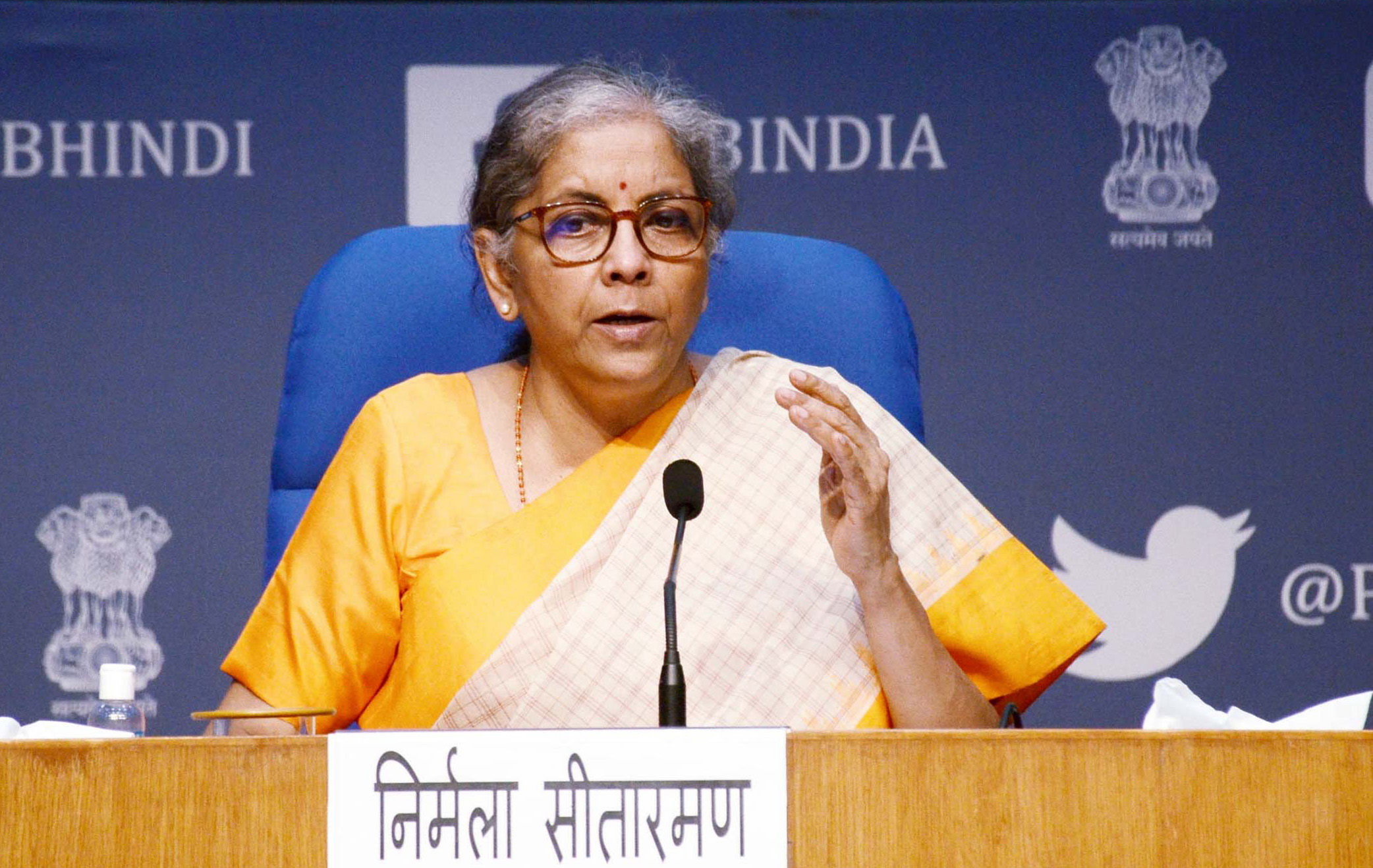
India’s banks are unlikely to see any significant announcements related to the sector in the upcoming Union Budget. Most experts think that an adequate capital position and improving asset quality of banks are likely to prompt the government not to announce fresh capital infusion in the budget.
Over the last few years, the health of the Indian banking sector has improved significantly both in terms of bad loans and capital adequacy.
The gross non-performing assets ratio of scheduled commercial banks declined to a multi-year low of 3.2 percent and their net non-performing assets ratio eased to 0.8 percent in September 2023, the Reserve Bank of India said in its Financial Stability Report for December.
Further, macro stress tests for credit risk reveal that scheduled commercial banks would be able to comply with minimum capital requirements, with the system-level capital to risk-weighted assets ratio (CRAR) in September 2024 projected at 14.8 percent, 13.5 percent, and 12.2 percent, respectively, under baseline, medium and severe stress scenarios, the RBI said in the report.
PSBs have undergone capital infusion three times in the last 10 budgets, amounting to a total of Rs 3.35 lakh crore. PSBs have undergone capital infusion three times in the last 10 budgets, amounting to a total of Rs 3.35 lakh crore.. Capital infusion in PSBs serves two primary purposes: meeting regulatory requirements and sustaining robust credit growth cycles in comparison to private banks.
The government proposed a capital infusion of Rs 2.40 lakh crore as equity in PSBs by 2018 in the FY15 budget. An additional Rs 25,000 crore in PSBs was announced in the FY17 budget. Most recently, Finance Minister Nirmala Sitharaman said in her FY20 budget speech that PSBs will be provided with a capital infusion of Rs 70,000 crore.
The government has also infused capital in PSBs outside the budget. In February 2021, Sitharaman announced capital infusion of Rs 20,000 crore in PSBs for FY22. In March of that year, the government announced a capital infusion of Rs 14,500 crore in four PSBs through zero-coupon bonds.
Government stake
The Central government and state governments own a 57.49 percent stake in the State Bank of India, the country’s largest lender, according to the latest data available. Governments (central and states) own 63.97 percent in Bank of Baroda and 73.15 percent in the Punjab National Bank.
In Union Bank of India, Canara Bank, and Central Bank of India, the government holding is at 76.99 percent, 62.93 percent, and 93.08 percent, respectively.
In the Indian Bank, Bank of Maharashtra, and Bank of India, the government shareholding stood at 73.84 percent, 86.46 percent, and 73.38 percent respectively. The Central and state governments owned 98.25 percent in Punjab and Sind Bank, 96.38 percent stake in Indian Overseas Bank, and 95.39 percent stake in UCO Bank.
In an election year, the government presents only an interim budget or seeks a vote on account, and leaves it to the next government to present the full budget.
























0 Comment