
25 Nov , 2026 By : Shambhavi Mishra
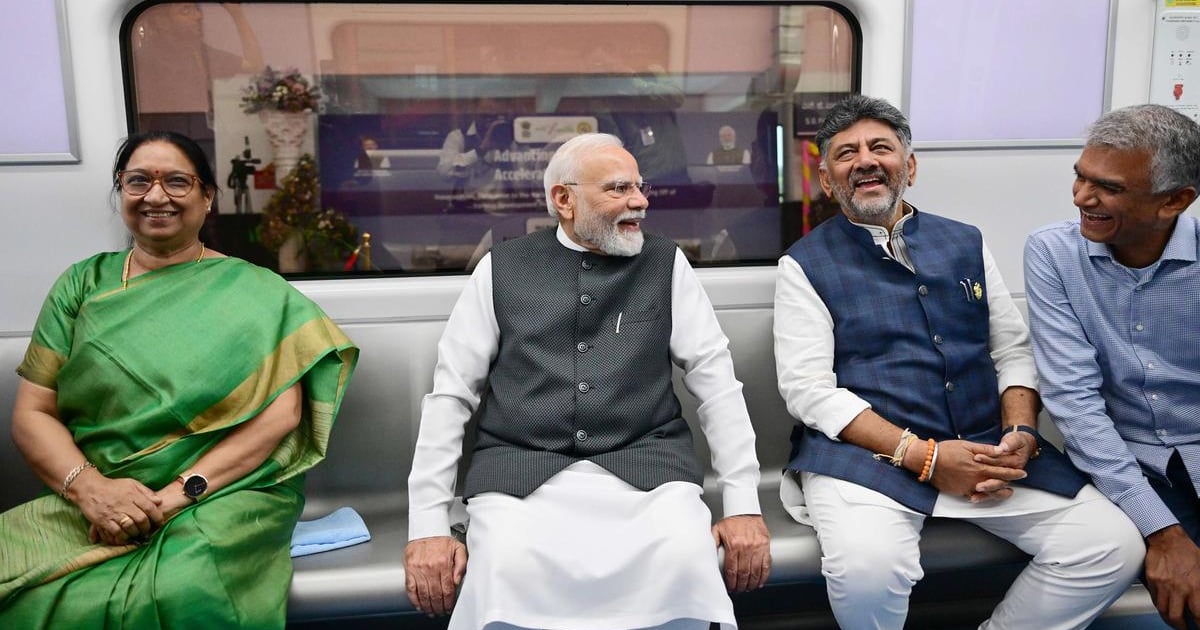
? Quick Take: Karnataka has formally asked the Centre to share operational cash losses and forex risks for the Bengaluru Metro. The fiscal pivot could fundamentally reshape how massive urban transit projects are financed across India.
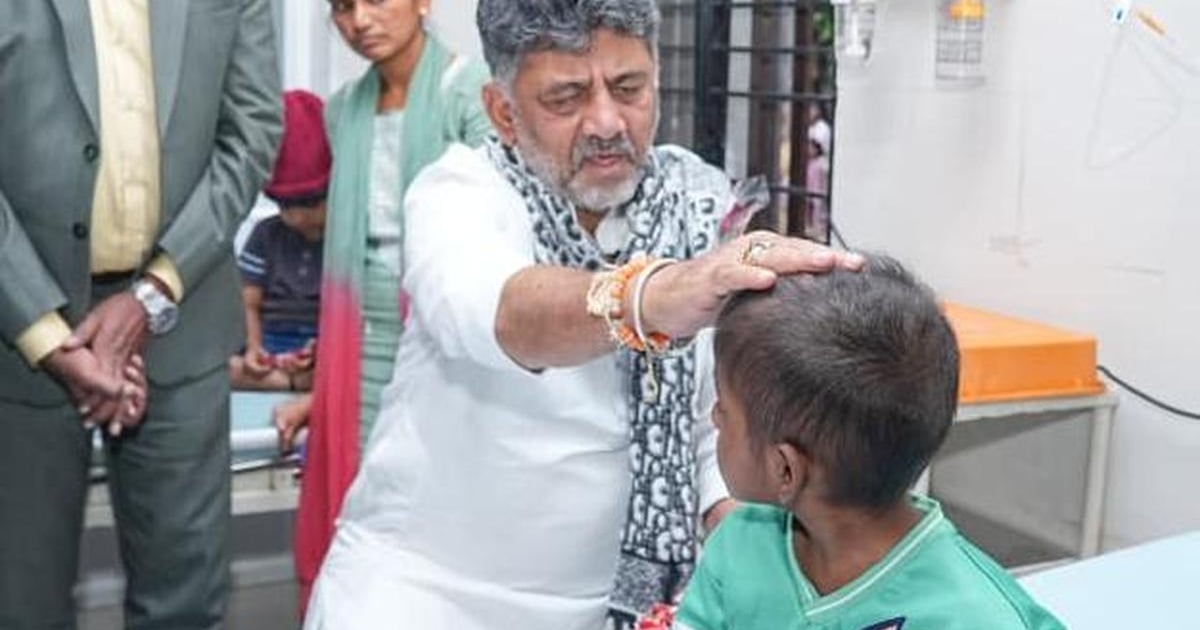
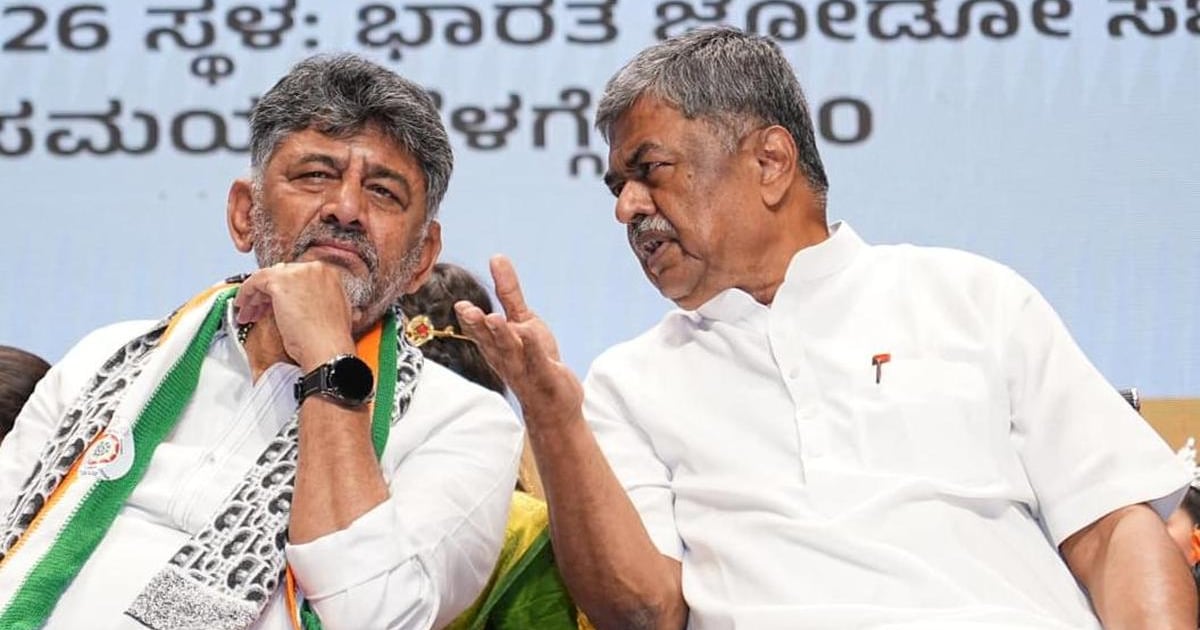
When the state machinery in Karnataka knocks on Delhi’s doors for transit funding, the ripples hit bond yields, municipal balance sheets, and taxpayers directly. Deputy Chief Minister D. K. Shivakumar’s recent push for a fairer Centre-state cost-sharing model for the Bengaluru Metro brings an old fiscal friction point back to the surface. Massive urban infrastructure projects in India rely heavily on multi-lateral external debt, exposing state governments to brutal foreign exchange fluctuations and mounting operational cash deficits.
Building a world-class metro network requires billions in capital expenditure, much of it sourced via international loans from agencies like JICA. While these long-term loans come with favorable interest rates, the underlying currency volatility remains entirely on the state's books. When the rupee slips against the yen or the dollar, the rupee-denominated repayment liability swells instantly.
Shivakumar’s demand targets this exact structural vulnerability. State-level treasuries are increasingly strained by servicing foreign debt while simultaneously absorbing operational cash losses during the initial years of network expansion. Shifting a portion of this burden to the Union government alters the equation for cash-strapped state administrations.
Bengaluru is India’s tech capital, driving substantial foreign direct investment and corporate tax collections. Any financial distress in managing its urban transit backbone spills over into municipal bonds, state borrowing costs, and local infrastructure execution speed. Investors holding municipal debt or tracking companies tied to urban civil works must watch how Delhi responds.
If the Centre concedes to sharing operational losses or hedging forex risks for Bengaluru, it establishes a powerful precedent. Other states managing sprawling metro networks in Mumbai, Chennai, and Pune will demand identical fiscal cushions. That shifts the national fiscal deficit math significantly.
Source Attribution: Originally reported by hindu-national (https://www.thehindu.com/news/national/karnataka/dk-shivakumar-seeks-fairer-centre-state-cost-sharing-for-bengaluru-metro-faster-clearances/article71697681.ece).
Disclaimer: The financial, market, and corporate developments published above are reported for informational and educational purposes only. GrowMudra does not provide investment advice or stock recommendations. Readers are strongly advised to consult a SEBI-registered financial advisor before making investment decisions.




















0 Comment