
30 Oct , 2026 By : Shambhavi Mishra

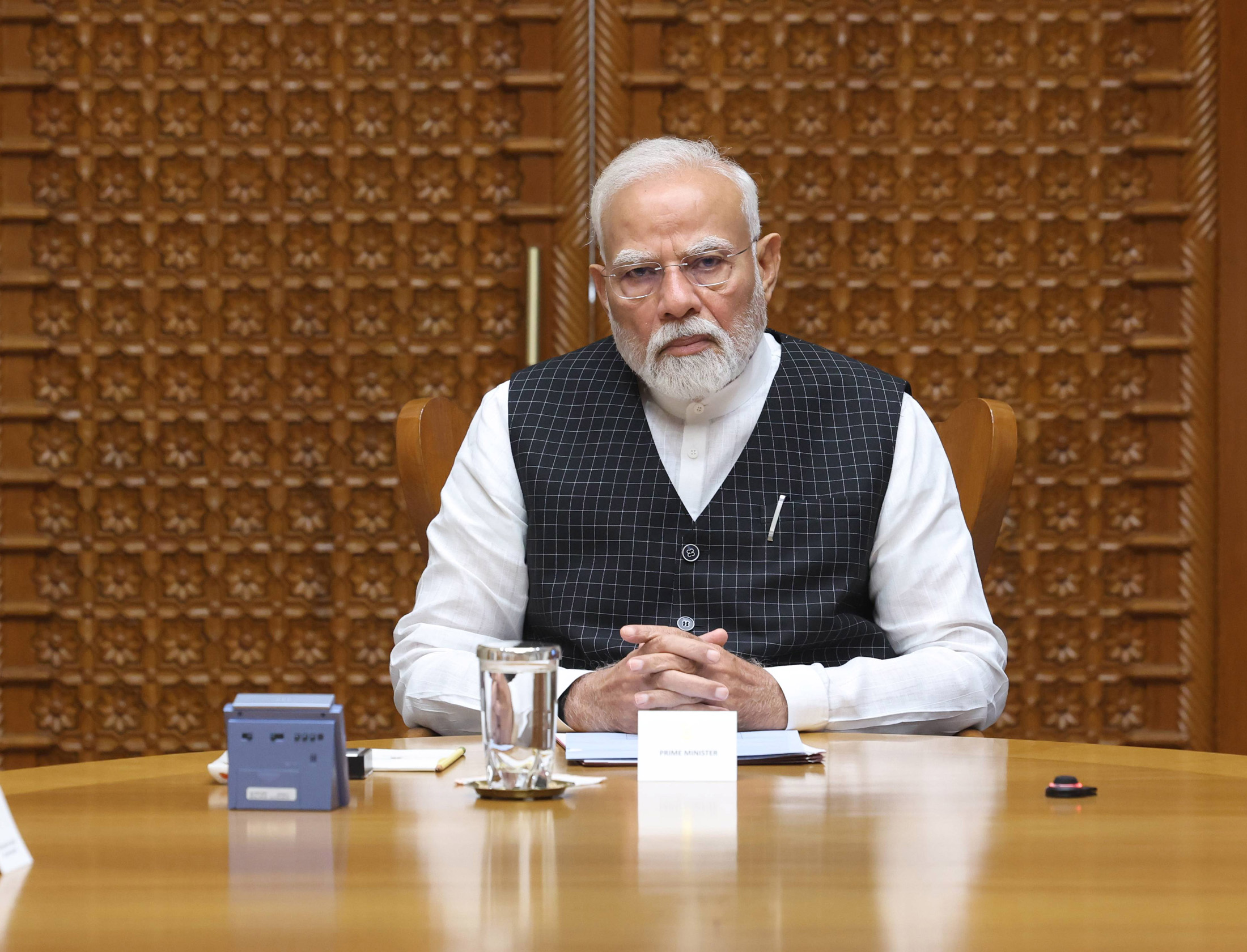
The political landscape in India is heating up as the Bharatiya Janata Party (BJP) prepares to launch a series of nationwide protests. This aggressive stance comes in direct response to controversial remarks made by Congress President Mallikarjun Kharge during a public address in Patna. The ruling party has termed these statements highly objectionable, asserting that they constitute a direct and personal attack on the dignity of the Prime Minister's family, thereby triggering a fresh wave of political confrontation.
Political rhetoric in India frequently touches intense levels, particularly as national and regional parties gear up for electoral battles. The latest flashpoint originated in Patna, where Congress President Mallikarjun Kharge delivered a speech criticizing the ruling dispensation and its top leadership. While political critique is a staple of democratic discourse, the ruling party identified specific segments of Kharge's commentary as crossing standard decorum lines, moving from policy critique to personal antagonism.
Historically, attacks on familial backgrounds or personal lives of political leaders have consistently drawn sharp retaliation from party cadres, often derailing legislative agendas and shifting media focus entirely to personality-driven debates. The BJP's decision to take this dispute to the streets nationwide indicates a calculated strategy to consolidate its support base and counter the opposition's narrative by framing the remarks as an insult not just to an individual leader, but to the office of the Prime Minister and the broader public sentiment associated with it.
While this is primarily a political development rather than a corporate earnings release, heightened political friction carries indirect implications for market sentiment, governance timelines, and policy execution. The BJP's organizational machinery has announced extensive mobilization plans across states, utilizing local party units, youth wings, and digital campaigns to amplify their message. These organized demonstrations require significant logistical deployment and grassroots coordination, underscoring the ruling party's intent to maintain sustained pressure on the principal opposition party.
Market analysts and institutional investors closely monitor such escalations, as prolonged political gridlock can potentially influence the legislative throughput of key economic reforms, infrastructure spending bills, and regulatory amendments in Parliament. Although direct financial metrics are absent in this socio-political dispute, the stability of policy frameworks remains a critical metric for foreign and domestic capital allocation in the Indian economy.
Intensified political polarization often creates short-term volatility in market sentiment, especially if public demonstrations disrupt normal commercial activities or lead to heightened legislative standoffs. Sectors sensitive to government policy—such as infrastructure, public sector undertakings (PSUs), defense, and banking—tend to be the most observant of political stability metrics. Investors are advised to look past immediate political noise and focus on core macroeconomic indicators, corporate balance sheets, and structural growth drivers.
Competitor reactions from regional parties and the broader INDIA bloc are expected to add layers of complexity to the discourse, potentially polarizing voter segments further. For wealth managers and retail investors, maintaining a diversified portfolio insulated from short-term political headlines remains the prudent approach, as India's macroeconomic fundamentals continue to be driven by robust domestic consumption and capital expenditure.
As the BJP rolls out its nationwide protests, the coming weeks will witness heightened political rallies, counter-statements, and media debates. Key milestones to watch include the scale and public participation in the announced demonstrations, the Congress party's official response and defensive strategy, and upcoming parliamentary sessions where legislative business could face disruptions. Investors and market participants should monitor how these political developments influence coalition dynamics and state-level electoral strategies leading into upcoming electoral cycles.
Source Attribution: Originally reported by ndtv-india (https://www.ndtv.com/india-news/bjp-to-launch-nationwide-protests-against-mallikarjun-kharge-over-remarks-on-pm-modi-12234707).
Disclaimer: The financial, market, and corporate developments published above are reported for informational and educational purposes only. GrowMudra does not provide investment advice or stock recommendations. Readers are strongly advised to consult a SEBI-registered financial advisor before making investment decisions.











0 Comment