
30 Oct , 2026 By : Shambhavi Mishra

In the ever-evolving landscape of global economics and cross-border finance, the philosophy that capital is fundamentally a free bird rather than a prisoner continues to dictate market movements, regulatory postures, and investor sentiment. As institutional and retail portfolios increasingly navigate complex macroeconomic headwinds, understanding the frictionless nature of modern liquidity has never been more vital for long-term wealth preservation and growth in the Indian and international markets.
For decades, traditional financial systems relied heavily on stringent capital controls, rigid exchange rate mechanisms, and protectionist monetary policies designed to keep domestic wealth tethered within national borders. However, the rapid acceleration of globalization, coupled with groundbreaking advancements in financial technology and algorithmic trading, has fundamentally dismantled these historical barriers. Capital now flows seamlessly across international jurisdictions, seeking optimal yields, lower risk profiles, and progressive regulatory environments almost instantaneously.
This paradigm shift did not happen in a vacuum. It is the culmination of years of structural financial reforms, deregulation, and the integration of emerging markets into the global financial architecture. Today, investors and corporations operate in an ecosystem where liquidity responds dynamically to interest rate differentials, geopolitical stability, and economic growth indicators. When regulatory frameworks recognize capital as a free bird, they foster an environment of trust, attracting robust foreign institutional investments (FIIs) and driving domestic economic expansion.
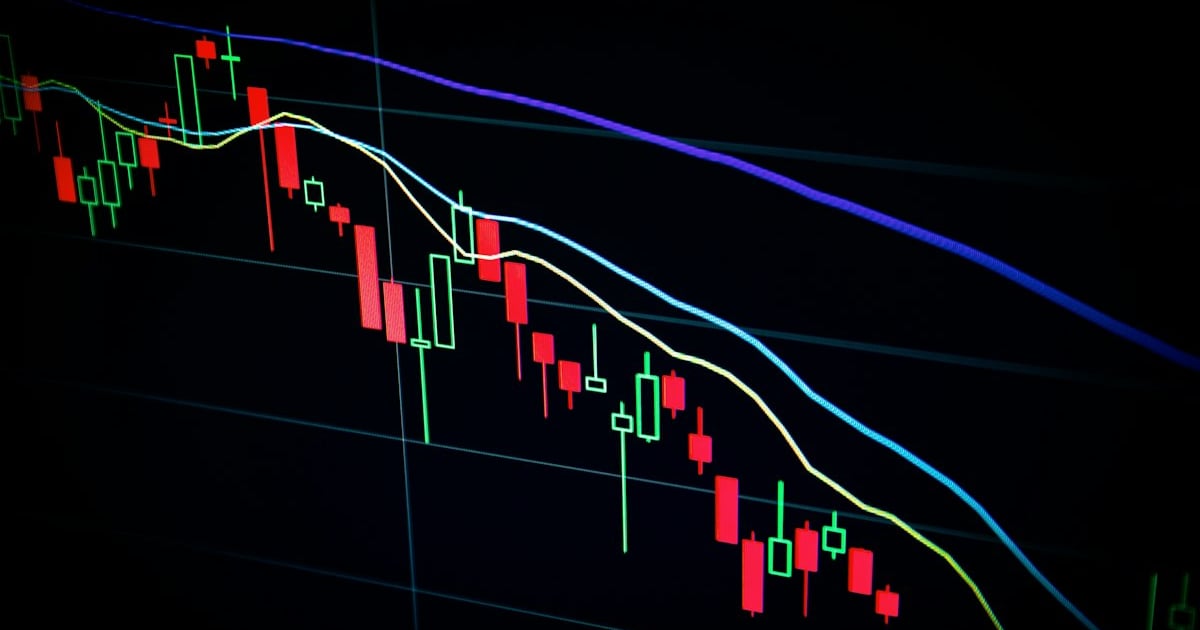
Recent commentaries and market observations emphasize that attempts to overly restrict or penalize capital mobility often result in unintended contractions of market liquidity and sluggish economic activity. Financial metrics across global bourses consistently demonstrate that economies maintaining open, market-driven capital accounts experience higher levels of foreign direct investment (FDI) and more resilient equity valuations. Conversely, heavy-handed interventions tend to trigger sudden capital flights, compressing valuation multiples and dampening investor confidence.
Analyzing these dynamics requires a close look at treasury yields, currency fluctuations, and cross-border transaction volumes. As central banks worldwide recalibrate their monetary stances in response to persistent inflation and shifting employment figures, the velocity of capital dictates which emerging and developed markets will outperform. Policymakers are increasingly tasked with balancing macroeconomic stability with the undeniable reality that modern money will always migrate toward optimal risk-adjusted returns.
The philosophical and practical implications of unhindered capital movement cascade across various sectors, profoundly impacting banking, asset management, and corporate finance. For wealth managers and retail investors alike, the freedom of capital allows for highly diversified portfolio construction, enabling stakeholders to hedge domestic risks by exposure to international asset classes, commodities, and foreign equities.
On the flip side, domestic industries must remain globally competitive to retain investor interest. When capital is free to roam, local corporations cannot rely solely on captive domestic markets; they must demonstrate robust corporate governance, consistent earnings growth, and scalable business models to compete against international investment alternatives. This competitive pressure ultimately drives corporate excellence and elevates overall market standards.
Looking ahead, the interplay between regulatory policy and capital mobility will remain a central theme for global markets. Investors should closely monitor upcoming central bank policy announcements, changes in foreign exchange regulations, and shifts in geopolitical alliances that could influence cross-border investment flows. As digital assets and decentralized finance (DeFi) continue to mature alongside traditional banking channels, the definition of capital freedom will expand even further, presenting both unprecedented opportunities and complex regulatory challenges.
Source Attribution: Originally reported by gnews-investing (https://news.google.com/rss/articles/CBMingFBVV95cUxQcUpzRUZlemJYVFRiczFqZUdNeGstU0Z4Q0U5Q0h3MF9WRERFSmVVeWx2dVgyMlFPWjh6NURVcHUyWlhwampVOUVZZ1U3MzU4X3VlSWoxZlozUGdFa0Z3aTZ4TlpFLXk4MnNjWmE1aTNQR2FJX2U5ekNIVUVWbEVOOXhTQ3ppd05TM1ZhYnZMb0pqQk94OVJVTXj5TVFzUdIBngFBVV95cUxQcUpzRUZlemJYVFRiczFqZUdNeGstU0Z4Q0U5Q0h3MF9WRERFSmVVeWx2dVgyMlFPWjh6NURVcHUyWlhwampVOUVZZ1U3MzU4X3VlSWoxZlozUGdFa0Z3aTZ4TlpFLXk4MnNjWmE1aTNQR2FJX2U5ekNIVUVWbEVOOXhTQ3ppd05TM1ZhYnZMb0pqQk94OVJVTXj5TVFzUQ?oc=5).
Disclaimer: The financial, market, and corporate developments published above are reported for informational and educational purposes only. GrowMudra does not provide investment advice or stock recommendations. Readers are strongly advised to consult a SEBI-registered financial advisor before making investment decisions.






























0 Comment