
29 Jun , 2021 By : Kanchan Joshi
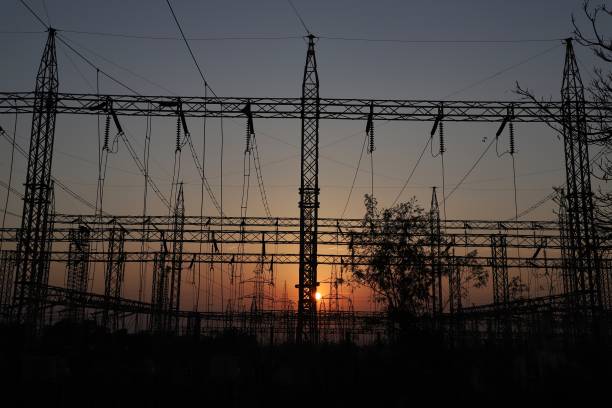
Even as economic activity in mini-grid villages was less affected in 2021 as compared to the previous year, the impact on education and healthcare infrastructure was much worse, according to a survey from Rockefeller Foundation’s subsidiary Smart Power India.
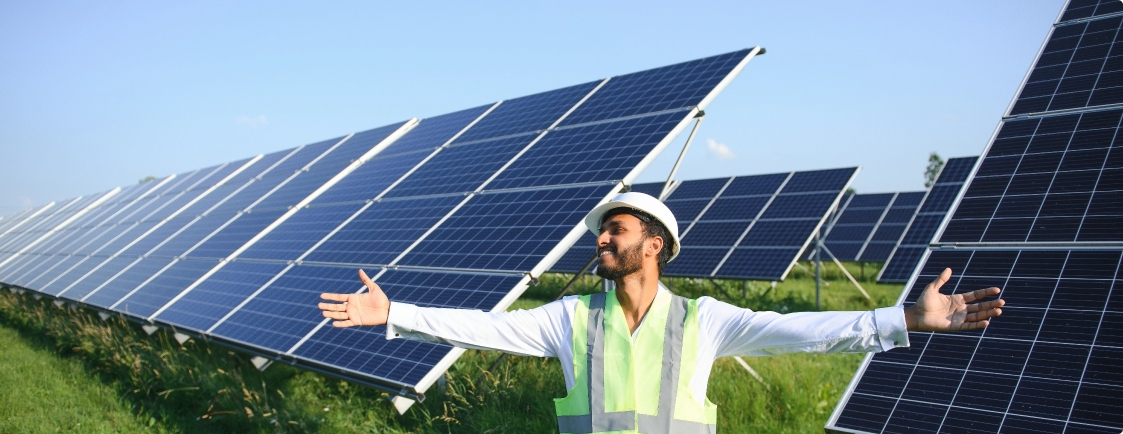
There is growing traction for micro and mini-grids as they can help provide off-grid solar and wind energy solutions to Indians who don’t have electricity access. The Smart Power model uses mini-grid technology for both lighting and productive use.
“It was learned that, while overall economic activity in mini-grid villages was less affected in 2021, the impact on education and healthcare infrastructure impact is much worse as compared to 2020. SPI is adopting the practice of conducting these surveys periodically to stay abreast of evolving issues the rural Indian consumer is dealing with, in the light of the pandemic," Smart Power India said in a statement regarding the findings of the survey titled “SPI’s Survey of Mini-grid Villages May 2021".
The Indian economy contracted 7.3% in FY21 due to the first wave of the covid pandemic. With many states easing lockdowns imposed during the second wave, India’s growth projections are now set below 10% for the current financial year.
“Through our consumer survey in 2021, we observed that education and health were severely impacted in rural communities due to the lockdown. The current survey revealed nearly 34% of rural students were coerced to discontinue online education due to lack of infrastructure. As the virus enters rural areas, it is bound to have an economic impact and this distress can't be captured immediately by aggregate GDP numbers; it will only show after a while," Jaideep Mukherji, CEO, Smart Power India said in the statement.
In 1950, only 3,000 Indian villages had electricity. In December 2019, electricity reached all of India’s 597,464 census villages under the government’s Deen Dayal Upadhyaya Gram Jyoti Yojana (DDUGJY).
“According to recent SPI surveys conducted in mini-grid villages, 61% of the participants responded that availability of essential services this year was better than the lockdown in 2020. Family income also showed improvement as compared to the first lockdown as 29% of respondents expressed that 10 to 25% of their family income this year was impacted due to the lockdown due to better preparedness. Whereas around 1.6% of respondents faced no impact of the lockdown in their incomes," the statement said.
With an undeniable link between poverty eradication and the spread of electricity use, the government’s marquee programmes such as the DDUGJY, which helped bring electricity to India’s census villages and the Pradhan Mantri Sahaj Bijli Har Ghar Yojana, or the Saubhagya scheme, aimed at household electrification have done well.
“This improvement in the family incomes in rural areas can be attributed to reliable access to electricity that has been consistent towards the rural communities amidst both the lockdowns in 2020 and 2021. 67% of the respondents of the survey have expressed their satisfaction with the quality and availability of reliable electricity from mini-grids," the statement said.
Given that large solar projects are facing uncertainties with some states looking to renege on their offtake commitments for projects awarded at a comparatively higher tariff, there is a growing interest in the Indian solar off-grid energy segment.
“Though India's economy reflected the signs of recovery after the first wave peaked in September 2020, this recovery wasn't consistent. Income, employment and health were still key concerns for rural communities," the statement said.

















0 Comment