
15 Nov , 2026 By : Shambhavi Mishra
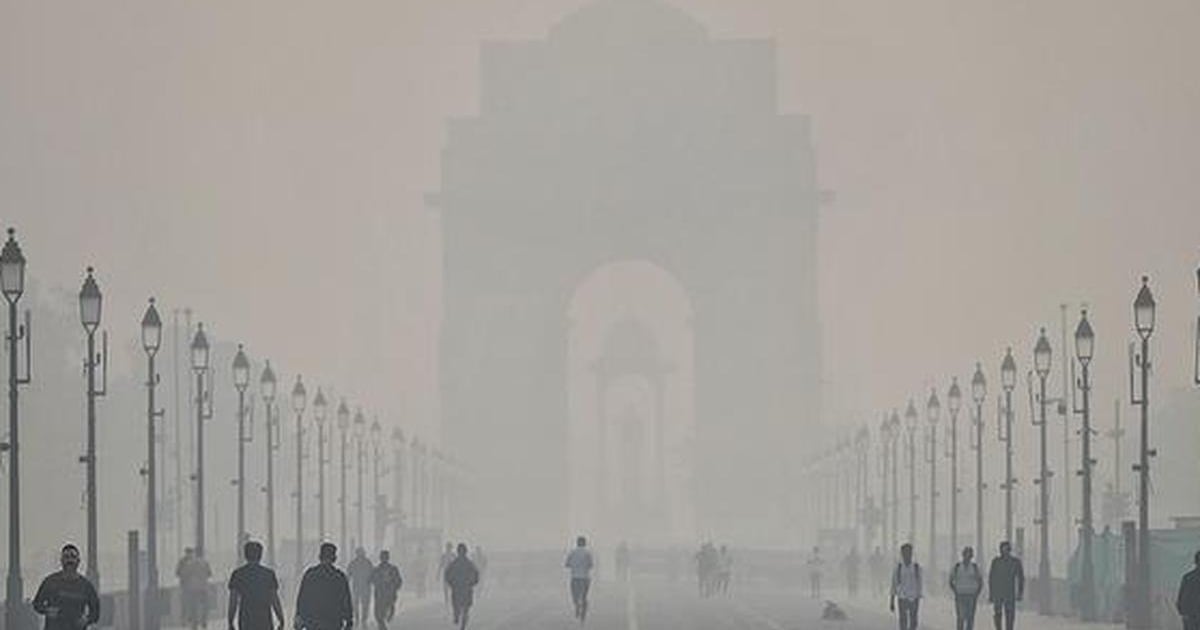
? Quick Take: Congress leader Ajay Maken pointed out missing PM2.5 readings at 25 of Delhi's 39 air monitoring stations on Diwali night. For capital markets and urban planning, missing environmental metrics highlight a recurring data transparency deficit.
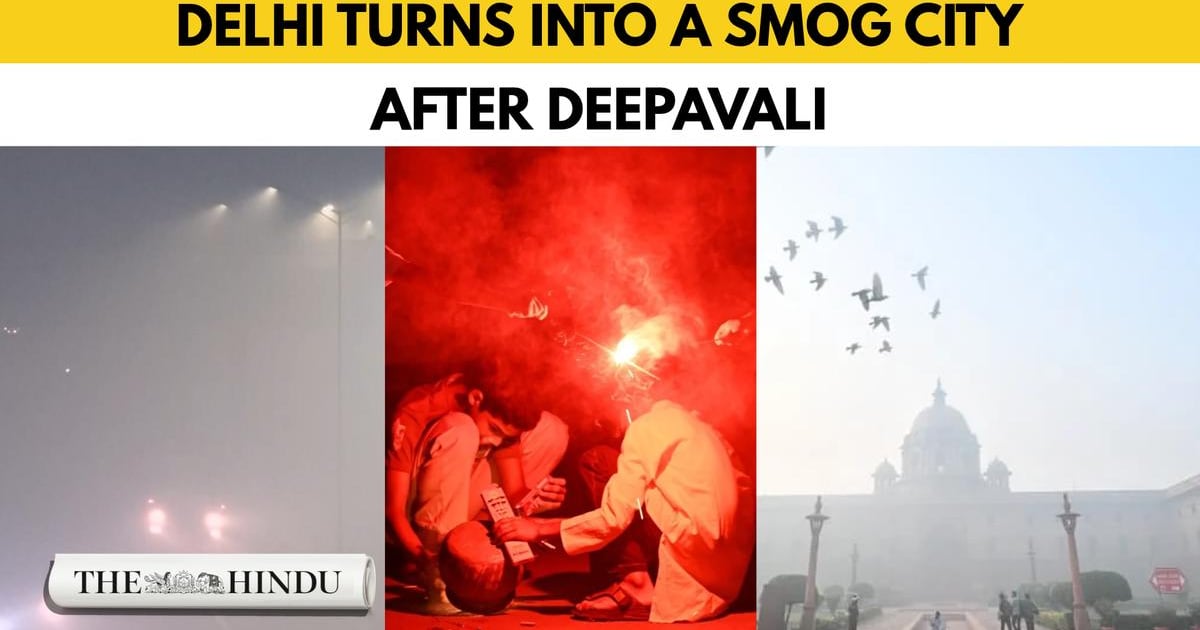
When the capital goes dark on critical environmental metrics just as pollution hits its annual peak, questions follow fast. On the night of Deepavali, as firecrackers lit up the Delhi sky and citizens retreated behind heavy air purifiers, 25 out of 39 continuous ambient air quality monitoring stations reportedly failed to report PM2.5 levels. For economists and urban analysts tracking the real cost of toxic air, opaque datasets are more than administrative failures—they distort the true economic toll of public health crises.
Accurate particulate matter data is the foundation of public health interventions, productivity estimates, and green policy formulation. When 64 percent of a city's frontline monitoring network goes silent during a known pollution spike, policymakers lose the empirical grounding required for emergency curbs. Markets also price in the cost of lost labor hours and healthcare burdens based on these exact metrics. Working with incomplete numbers means underestimating the economic drag of severe smog.
Senior Congress leader Ajay Maken brought these discrepancies into sharp focus, questioning the reliability of official data streams during a high-stress window. Citizens rely on these numbers to make daily risk assessments about outdoor activity, schooling, and commuting. When automated sensors drop offline or fail to transmit vital PM2.5 readings, public trust takes a direct hit. Accountability becomes nearly impossible when the baseline measurements vanish into thin air.
Delhi's multi-crore environmental monitoring apparatus is supposed to offer real-time clarity. Technical glitches or calibration failures during peak pollution events point to systemic maintenance gaps within municipal and central oversight bodies. Investors looking at environmental, social, and governance metrics note that governance starts with basic data integrity. Without dependable sensors, green bonds, municipal urban renewal projects, and clean-air investments lack verifiable outcome metrics.
Source Attribution: Originally reported by hindu-national (https://www.thehindu.com/news/cities/Delhi/delhi-aqi-today-air-pollution-what-is-pm-25-row-after-diwali-deepavali/article71681783.ece).
Disclaimer: The financial, market, and corporate developments published above are reported for informational and educational purposes only. GrowMudra does not provide investment advice or stock recommendations. Readers are strongly advised to consult a SEBI-registered financial advisor before making investment decisions.






























0 Comment